
3002 items
3002 items
vh
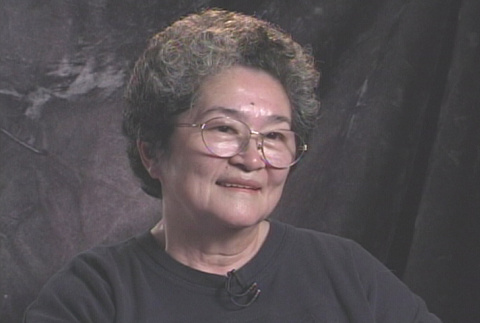
Marianne West Interview Segment 9 (ddr-densho-1000-120-9)
Entering into interracial marriage, facing negative reactions
This interview took place at the 2000 Tule Lake Pilgrimage in Klamath Falls, Oregon.
vh
Marianne West Interview Segment 8 (ddr-densho-1000-120-8)
Facing prejudice after the war, defying "No Japs Wanted" signs
This interview took place at the 2000 Tule Lake Pilgrimage in Klamath Falls, Oregon.
vh
Marianne West Interview Segment 3 (ddr-densho-1000-120-3)
Hearing news of Pearl Harbor bombing: disbelief, then gradual realization
This interview took place at the 2000 Tule Lake Pilgrimage in Klamath Falls, Oregon.
vh
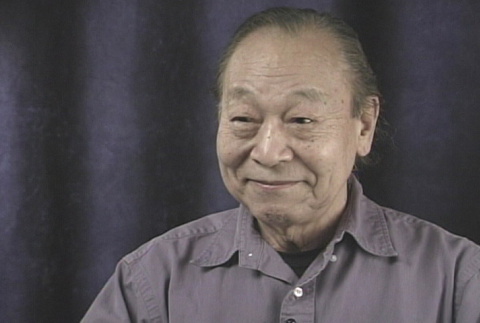
Frank Yamasaki Interview II Segment 16 (ddr-densho-1000-131-16)
Career in the early days of television in Seattle
vh
Frank Yamasaki Interview II Segment 12 (ddr-densho-1000-131-12)
Hearing about the atomic bombing of Hiroshima and Nagasaki; shock and horror comparable to the September 11th, 2001 attacks on the World Trade Center in New York City
vh
Frank Yamasaki Interview II Segment 6 (ddr-densho-1000-131-6)
Helping to run parents' hotel business
vh
Frank Yamasaki Interview II Segment 15 (ddr-densho-1000-131-15)
Developing an activist mentality; observing the McCarthy Era and the Korean War
vh
Frank Yamasaki Interview II Segment 5 (ddr-densho-1000-131-5)
Buddhist upbringing, learning about Christian holidays in school
vh
Frank Yamasaki Interview II Segment 11 (ddr-densho-1000-131-11)
Deciding to resist the draft, and reading about trial years later
vh
Frank Yamasaki Interview II Segment 10 (ddr-densho-1000-131-10)
Introspective experiences while staying in a tuberculosis sanitarium during World War II
vh
Frank Yamasaki Interview II Segment 8 (ddr-densho-1000-131-8)
Prewar leisure activities: theater performances, church picnics, sports
vh
Frank Yamasaki Interview II Segment 3 (ddr-densho-1000-131-3)
First finding out about birthday celebrations in school
vh
Frank Yamasaki Interview II Segment 2 (ddr-densho-1000-131-2)
Growing up "poor," finding odd jobs as a child to make pocket money
vh
Frank Yamasaki Interview II Segment 17 (ddr-densho-1000-131-17)
Thoughts on the media coverage of the September 11, 2001 terrorist attacks on the World Trade Center in New York City
vh
Frank Yamasaki Interview II Segment 7 (ddr-densho-1000-131-7)
The pain of discrimination: "growing up, discrimination was a part of the environment that we grew up in"
vh
Frank Yamasaki Interview II Segment 1 (ddr-densho-1000-131-1)
Family background: mother's immigration to the United States in 1913; growing up one of five children
vh
Frank Yamasaki Interview II Segment 13 (ddr-densho-1000-131-13)
Release from McNeil Island Penitentiary; returning to Seattle, facing employment discrimination
vh
Frank Yamasaki Interview II Segment 14 (ddr-densho-1000-131-14)
Discussion of the effects of World War II and the incarceration on Japanese Americans: denial of culture, dissent within the Japanese American community
vh
Frank Yamasaki Interview II Segment 9 (ddr-densho-1000-131-9)
Feeling shock upon hearing of the bombing of Pearl Harbor
vh
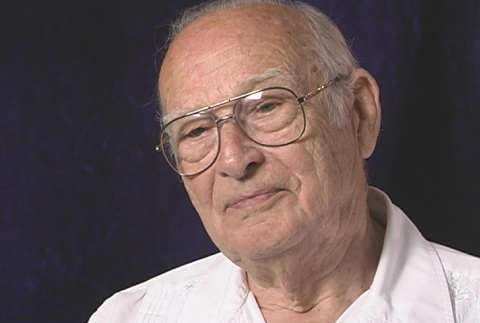
Robert Coombs Interview Segment 25 (ddr-densho-1000-146-25)
As Minidoka concentration camp closed, leaving for a teaching job in California
vh
Robert Coombs Interview Segment 4 (ddr-densho-1000-146-4)
Growing up with exposure to a few different ethnic groups in school
vh
Robert Coombs Interview Segment 14 (ddr-densho-1000-146-14)
Traveling to the Minidoka concentration camp, Idaho, choosing to live within the camp itself
vh
Robert Coombs Interview Segment 5 (ddr-densho-1000-146-5)
Attending junior high and high school in "bungalow schools"