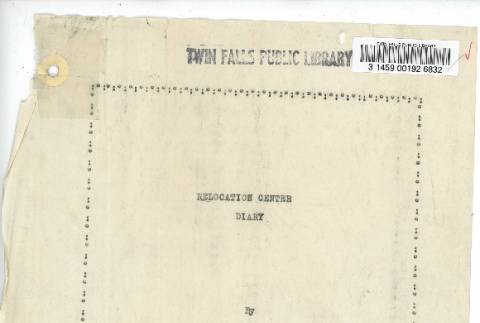
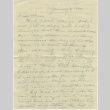
Section titles: "Winter Arrives"; "Fryer in Washington"; "Railroads Recruiting Evacuees in Montana"; "Office Hours Changed"; "Arizona Closed to Cotton Picking"; "Receiving Warehouses Opened"; "2000 News Stories Briefed'; "WRA to Handle Repatriation"; "Industrial Policy Supplemented"; "Information Service at Central Utah"; "Public Relations Improve in Idaho"; "News From the Projects"; "Project Reports."
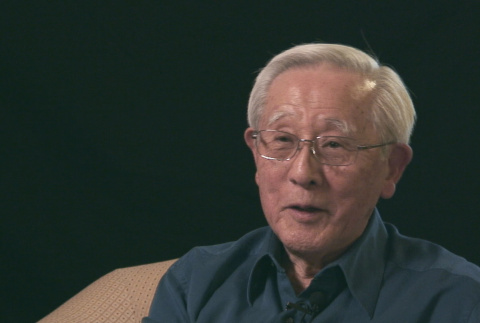
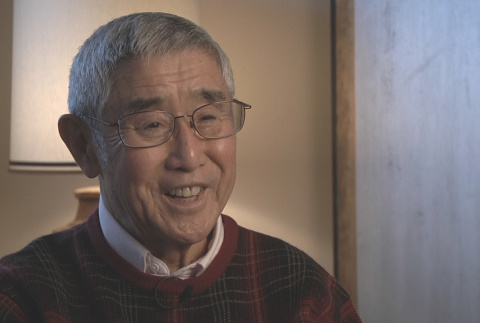
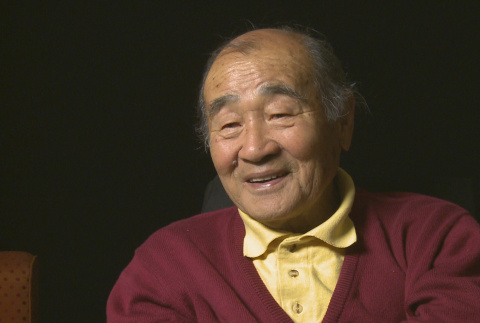
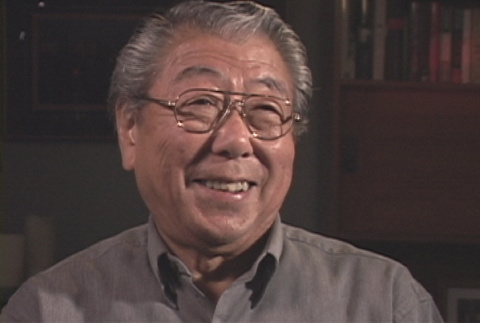
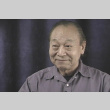
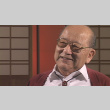
Nisei male. Born June 4, 1921, in Seattle, Washington. Following the bombing of Pearl Harbor, removed to the Puyallup Assembly Center, Washington, and the Minidoka concentration camp, Idaho. Left camp to attend college in Cincinnati before being drafted. Served in Japan with the Military Intelligence Service, and eventually returned to Seattle.
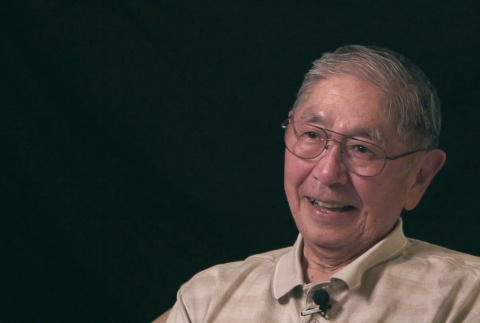
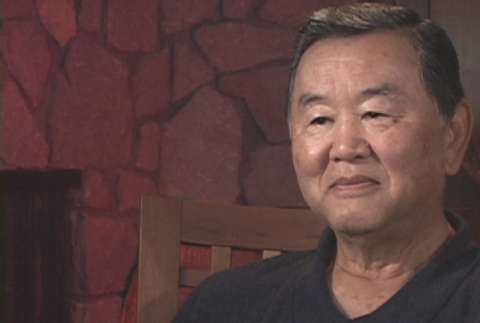
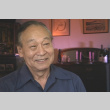
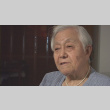
Nisei male. Born July 5, 1926, in Seattle, Washington. Grew up in Seattle, where parents owned and operated a grocery store. Following the bombing of Pearl Harbor, removed to Puyallup Assembly Center, Washington, and Minidoka concentration camp, Idaho. Served in Japan with the Military Intelligence Service following World War II.
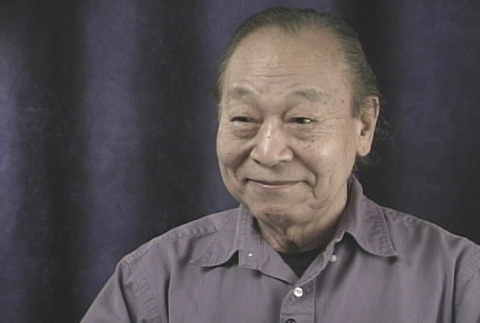
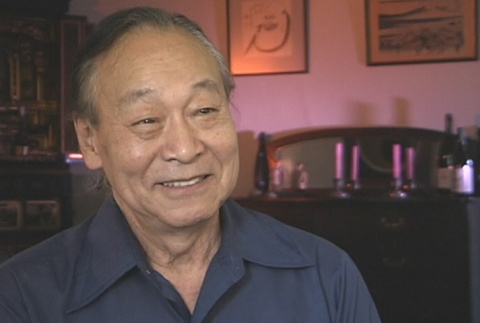
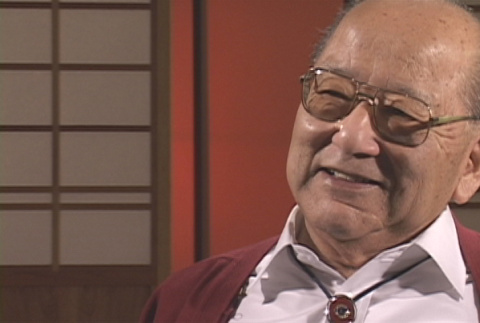
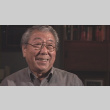
Nisei male. Born January 26, 1923, in Seattle, Washington. Spent prewar childhood in South Park and Belltown areas of Seattle. Incarcerated at the Puyallup Assembly Center, Washington and Minidoka concentration camp, Idaho. Refused to participate in draft, imprisoned at McNeil Island Penitentiary, Washington, for resisting the draft. Resettled in Seattle.
Nisei male. Born January 26, 1923, in Seattle, Washington. Spent prewar childhood in South Park and Belltown areas of Seattle. Incarcerated at the Puyallup Assembly Center, Washington and Minidoka concentration camp, Idaho. Refused to participate in draft, imprisoned at McNeil Island Penitentiary, Washington, for resisting the draft. Resettled in Seattle.
Nisei male. Born May 15, 1919, in Seattle, Washington. Grew up in a Japanese American farming community in Bellevue, Washington. Incarcerated at the Pinedale Assembly Center and Tule Lake concentration camp, both in California, and at Minidoka concentration camp, Idaho. Longtime member and supporter of the Japanese American Citizens League (JACL).
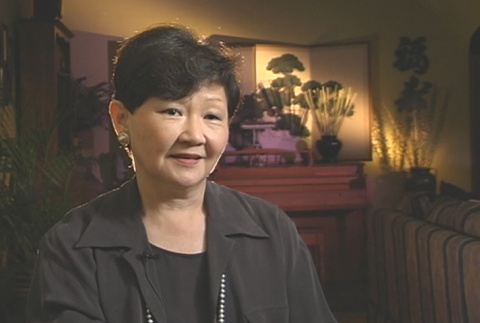
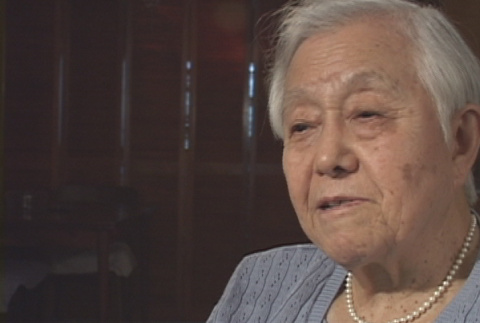
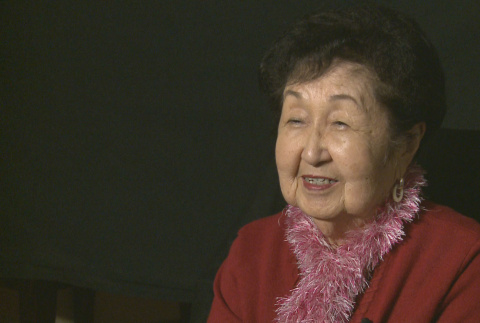
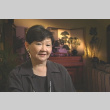
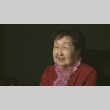
Nisei female. Born May 31, 1935, in Seattle, Washington. Spent prewar years in Seattle's Nihonmachi, or Japantown. Incarcerated as child at Puyallup Assembly Center, Washington, and Minidoka concentration camp, Idaho. Resettled in Seattle. In her interview, discusses issues of shame and loss of Japanese American identity as a result of incarceration.
The Frances Haglund Collection consists of correspondence, manuscripts, clippings and other miscellaneous documents about Frances Haglund's time as a teacher at Minidoka concentration camp, Idaho.
Nisei male. Born June 15, 1932, in Hillsboro, Oregon. Grew up in Hillsboro, where parents ran a produce business and farm. During World War II, removed to the Portland Assembly Center, Oregon, and the Minidoka concentration camp, Idaho. Left camp for Boise, Idaho, where mother received medical treatment. Eventually returned to Oregon and served in the …
From September 26, 1942, until February 9, 1946, War Relocation Authority (WRA) employee Arthur Kleinkopf recorded his day-to-day experience at the Minidoka concentration camp in Southern Idaho. His diary begins with his first day at Minidoka and the challenges of establishing a school system. Kleinkopf discusses social tension between Japanese American incarcerees and WRA staff, racist …
This material is based upon work assisted by a grant from the Department of the Interior, National Park Service. Any opinions, finding, and conclusions or recommendations expressed in this material are those of the author(s) and do not necessarily reflect the views of the Department of the Interior.
This material is based upon work assisted by a grant from the Department of the Interior, National Park Service. Any opinions, finding, and conclusions or recommendations expressed in this material are those of the author(s) and do not necessarily reflect the views of the Department of the Interior.
This material is based upon work assisted by a grant from the Department of the Interior, National Park Service. Any opinions, finding, and conclusions or recommendations expressed in this material are those of the author(s) and do not necessarily reflect the views of the Department of the Interior.
This material is based upon work assisted by a grant from the Department of the Interior, National Park Service. Any opinions, finding, and conclusions or recommendations expressed in this material are those of the author(s) and do not necessarily reflect the views of the Department of the Interior.
Memories of the Minidoka concentration camp, Idaho
This material is based upon work assisted by a grant from the Department of the Interior, National Park Service. Any opinions, finding, and conclusions or recommendations expressed in this material are those of the author(s) and do not necessarily reflect the views of the Department of the Interior.
Transferring to Minidoka concentration camp, Idaho
This material is based upon work assisted by a grant from the Department of the Interior, National Park Service. Any opinions, finding, and conclusions or recommendations expressed in this material are those of the author(s) and do not necessarily reflect the views of the Department of the Interior.
This material is based upon work assisted by a grant from the Department of the Interior, National Park Service. Any opinions, finding, and conclusions or recommendations expressed in this material are those of the author(s) and do not necessarily reflect the views of the Department of the Interior.
This material is based upon work assisted by a grant from the Department of the Interior, National Park Service. Any opinions, finding, and conclusions or recommendations expressed in this material are those of the author(s) and do not necessarily reflect the views of the Department of the Interior.
This letter from a district director of the Department of Justice was sent to an Issei in 1945. He was detained at the Minidoka concentration camp in Idaho for a period of time, and the letter informed him that while he was there, he did not have to report to a parole officer.
Written testimony of Akio Yanagihara of Seattle, Washington. Incarcerated in the Puyallup Assembly Center, Washington, and the Minidoka concentration camp, Idaho. This testimony was presented at the CWRIC hearing in Seattle, Washington, on Wednesday, September 9, 1981, in the section titled "Personal Experiences at Puyallup and Minidoka Centers." Personal information excised by Densho.
Written testimony of Marie Horiuchi Ooka, born in Seattle, Washington. Incarcerated in the Puyallup Assembly Center, Washington, and the Minidoka concentration camp, Idaho. This testimony was presented at the CWRIC hearing in Seattle, Washington, on Thursday, September 10, 1981, in the section titled "Psychological Impact and Redress." Personal information excised by Densho.
Photocopy of a declassified memorandum concerning the change of status for Keizaburo Koyama. On December 11, 1943, Koyama's status changed from being interned at Santa Fe, New Mexico to being "Interim Paroled" at Santa Fe for travel to Hunt, Idaho. The parole was ordered by the Attorney General on November 26, 1943.
Photographed is a mess hall at Civilian Conservation Corps Camp, Rupert, Idaho. A photo from "George Naohara photo album" (csudh_nao_0001), page 4. See this object in the California State Universities Japanese American Digitization project site: nao_01_04_001
Article titles: "Labor Shortage Problem is Met"; "Labor Leaves State Mines"; "Newport Issues Statement on Japanese Labor"; "Traffic Congestion Reported at Eden"; "Smith Okays Plans to Employ Japs"; "Sacramento Japanese Evacuee is Arrested in Idaho"; "Price Considers Labor Camp"; "Governor Okehs Recruiting of 2,200 Jap Field Hands"; "Civic Clubs Flay Jap Land Buying."
Nisei female. Born September 2, 1934, in San Francisco, California. Grew up in the Japantown area of San Francisco. During World War II, removed to the Tanforan Assembly Center, California, and Topaz concentration camp, Utah. After leaving camp, family lived for a time in Weiser, Idaho, running a farm. Eventually returned to California.