
8937 items
8937 items
vh
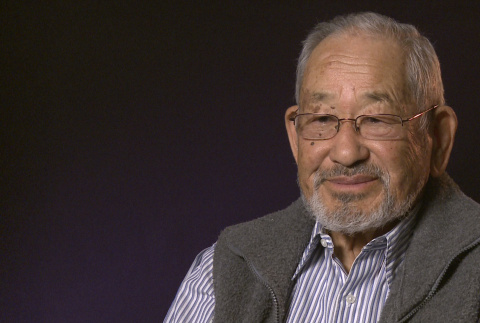
Jimi Yamaichi Interview II Segment 7 (ddr-densho-1000-312-7)
Working on construction and engineering crews in camp
vh
Jimi Yamaichi Interview II Segment 8 (ddr-densho-1000-312-8)
Transferring to Tule Lake with family
vh
Jimi Yamaichi Interview II Segment 13 (ddr-densho-1000-312-13)
Remembering the closing of the Tule Lake camp
vh
Jimi Yamaichi Interview II Segment 23 (ddr-densho-1000-312-23)
Thoughts on the Hoshidan at Tule Lake
vh
Jimi Yamaichi Interview II Segment 12 (ddr-densho-1000-312-12)
Helping to close down the Tule Lake camp
vh
Jimi Yamaichi Interview II Segment 9 (ddr-densho-1000-312-9)
Making the decision to resist the draft
vh
Jimi Yamaichi Interview II Segment 4 (ddr-densho-1000-312-4)
Building the stockade and jail in camp
vh
Jimi Yamaichi Interview II Segment 10 (ddr-densho-1000-312-10)
Being exonerated during draft resistance trial
vh
Jimi Yamaichi Interview II Segment 24 (ddr-densho-1000-312-24)
The split in loyalties among Japanese Americans during the war years
vh
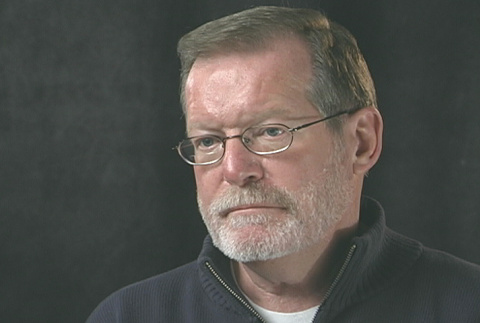
Emery Brooks Andrews Interview Segment 12 (ddr-densho-1000-155-12)
Family home in Twin Falls becomes a hostel for numerous Japanese Americans throughout the wartime
vh
Emery Brooks Andrews Interview Segment 5 (ddr-densho-1000-155-5)
Father's early involvement with the Seattle Japanese American community, and the Seattle Japanese Baptist Church
vh
Emery Brooks Andrews Interview Segment 4 (ddr-densho-1000-155-4)
Father's early work in religion, focus on ethnic groups
vh
Emery Brooks Andrews Interview Segment 27 (ddr-densho-1000-155-27)
Description of father's funeral service: feeling overwhelmed by showing of community support
vh
Emery Brooks Andrews Interview Segment 23 (ddr-densho-1000-155-23)
Memories of parents' divorce in 1955
vh
Emery Brooks Andrews Interview Segment 21 (ddr-densho-1000-155-21)
Growing up postwar: feeling the pressure to excel as the son of a pastor
vh
Emery Brooks Andrews Interview Segment 10 (ddr-densho-1000-155-10)
Family decides to move to Twin Falls, Idaho, following the Japanese Americans to Minidoka concentration camp
vh
Emery Brooks Andrews Interview Segment 26 (ddr-densho-1000-155-26)
Memories of father's passing, impact on the Japanese American community in Seattle
vh
Emery Brooks Andrews Interview Segment 11 (ddr-densho-1000-155-11)
Father experiences prejudice in Twin Falls, Idaho, as a result of his support of the Japanese Americans in the concentration camp
vh
Emery Brooks Andrews Interview Segment 18 (ddr-densho-1000-155-18)
Father's activities immediately after returning to Seattle: opposing the teamsters and aiding Japanese American farmers
vh
Emery Brooks Andrews Interview Segment 16 (ddr-densho-1000-155-16)
Father makes more than 150 round trips between Minidoka concentration camp and Seattle, picking up or delivering items for Japanese Americans in camp
vh
Emery Brooks Andrews Interview Segment 22 (ddr-densho-1000-155-22)
Thoughts on the impact father had on the Japanese American community in Seattle, feeling an "emotional estrangement" from father
vh
Emery Brooks Andrews Interview Segment 17 (ddr-densho-1000-155-17)
The end of World War II: returning to Seattle, father's resolve to reopen the Japanese Baptist Church
vh
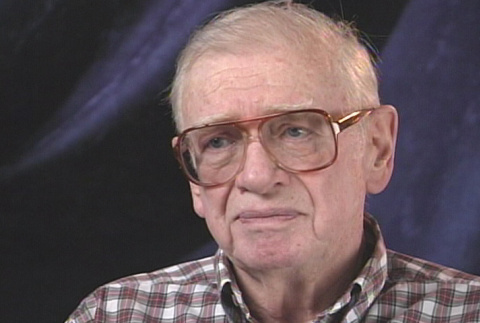
Joseph Frisino Interview Segment 31 (ddr-densho-1000-117-31)
Racial awareness: "It was a learning process for me"
Mr. Frisino was suffering from a slight cough during the two days of this interview.