
175 items





175 items
vh
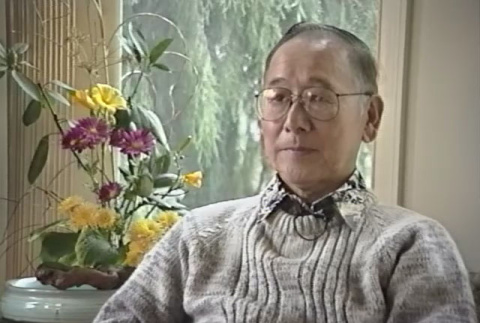
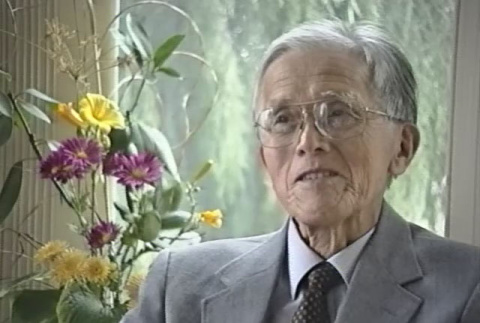
William Marutani Interview Segment 8 (ddr-phljacl-1-14-8)
Being labeled a "Quiet American" and a "model minority"
vh
William Marutani Interview Segment 4 (ddr-phljacl-1-14-4)
Memorable cases as a civil rights lawyer
vh
William Marutani Interview Segment 6 (ddr-phljacl-1-14-6)
Appointed to serve on the Commission on Wartime Relocation and Internment of
vh
William Marutani Interview Segment 2 (ddr-phljacl-1-14-2)
Leaving camp to attend college, then drafted into the military
vh
William Marutani Interview Segment 7 (ddr-phljacl-1-14-7)
Personal reactions to hearing the testimonies at the commission hearings

vh
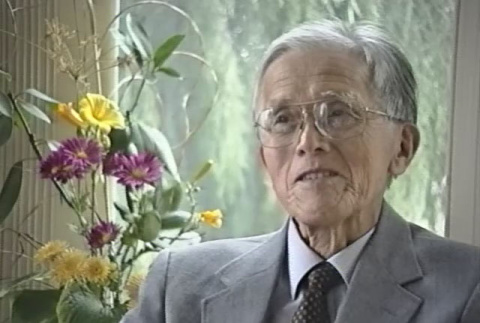
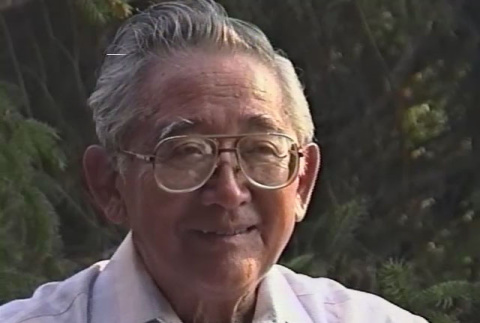
George Oye Interview Segment 6 (ddr-phljacl-1-16-6)
Leaving camp and working at the University of Pennsylvania
vh
George Oye Interview Segment 3 (ddr-phljacl-1-16-3)
Attending school and taking California's civil service exam
vh
George Oye Interview Segment 7 (ddr-phljacl-1-16-7)
Working for the American Friends Service Committee

vh
George Oye Interview Segment 1 (ddr-phljacl-1-16-1)
Family background, returned with family to Japan at age seven

vh
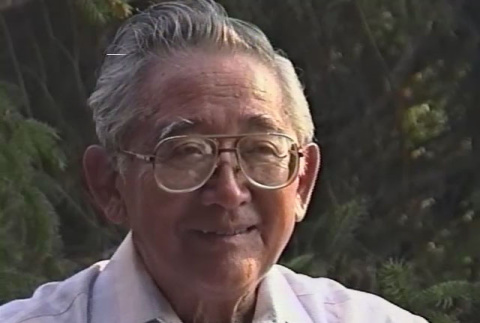
Hitoshi Thomas Tamaki Interview Segment 5 (ddr-phljacl-1-8-5)
Raising a family and practicing medicine
vh
Hitoshi Thomas Tamaki Interview Segment 3 (ddr-phljacl-1-8-3)
Attending medical school in Boston when World War II broke out

vh
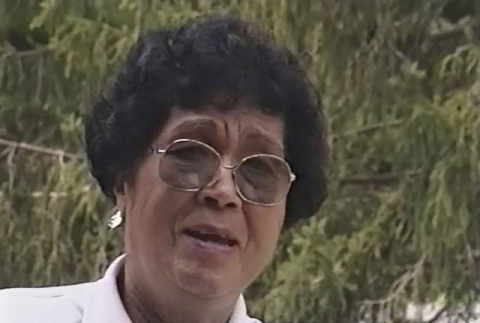
Yoneko Watanabe Okamoto Interview Segment 2 (ddr-phljacl-1-7-2)
Hearing about Pearl Harbor and preparing for mass removal

vh
Yoneko Watanabe Okamoto Interview Segment 1 (ddr-phljacl-1-7-1)
Childhood memories of Hollywood, California
vh
Yoneko Watanabe Okamoto Interview Segment 3 (ddr-phljacl-1-7-3)
Deciding to move to Philadelphia after leaving camp
vh
Hitoshi Thomas Tamaki Interview Segment 6 (ddr-phljacl-1-8-6)
Influence of Japanese culture and values