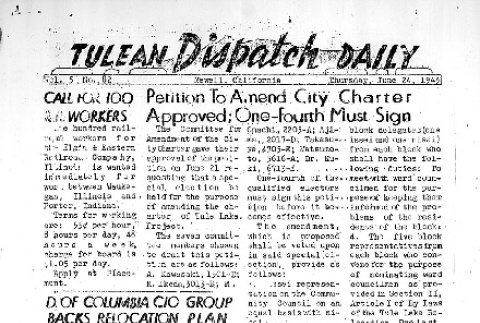
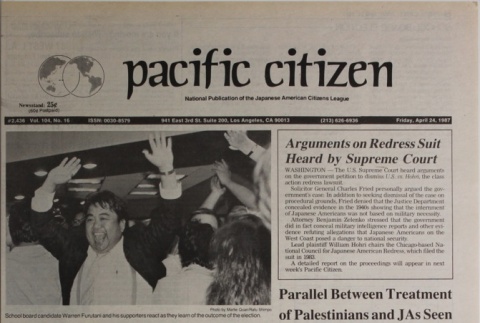
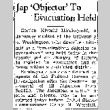
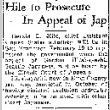
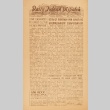
Selected article titles: "D. of Columbia CIO Group Backs Relocation Plan" (p. 1), "Petition to Amend City Charter Approved; One-Fourth Must Sign" (p. 1), "Convictions of Hirabayashi, Yasui Upheld by Court" (p. 1), "Speakers Listed for School Panel" (p. 3).
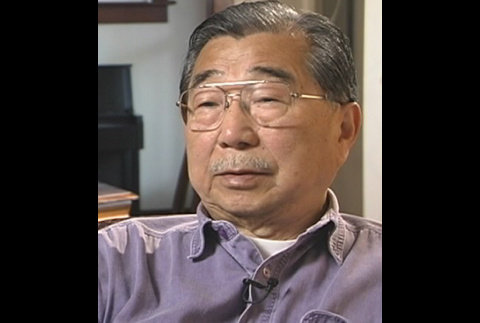
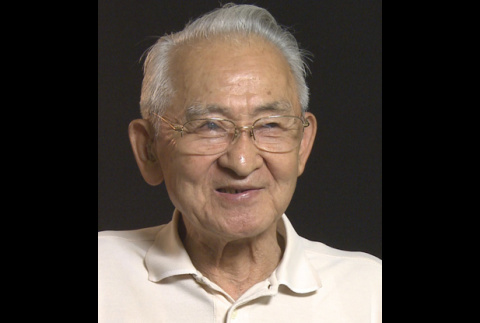
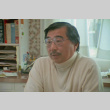
Nisei male. Born April 23, 1918, in Seattle, Washington. Spent most of his childhood in Thomas, Washington, where his parents were part of a Christian farming co-op. Attended the University of Washington where he was active in the Young Men's Christian Association (YMCA), the conscientious objector movement, and became a Quaker. At the outbreak of World …
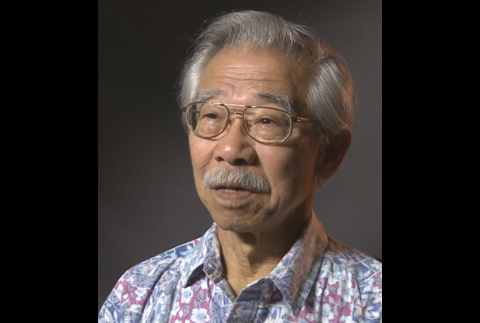
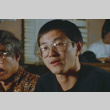
Nisei male. Born October 30, 1926, in small town of Thomas, Washington, on family farm. Attended school in Auburn, Washington, before being removed to the Pinedale Assembly Center and Tule Lake concentration camp, California. Left camp to work in Idaho, and was subsequently joined by family. Postwar, became a social anthropologist, and later became only the …
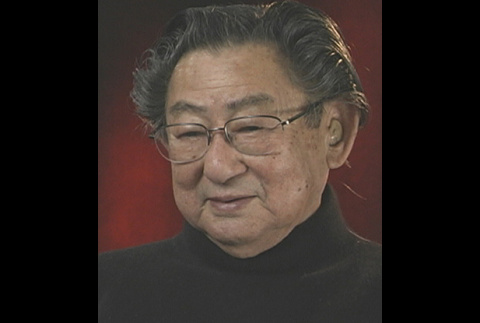
Kibei male. Born November 9, 1919, in Thomas, Washington. Went to Japan at age twelve, attended school, and returned to the U.S. as a high school student. Enlisted in the army just prior to the bombing of Pearl Harbor, and was eventually recruited for the Military Intelligence Service. Selected as one of fourteen Japanese Americans to …
Nisei male. Born September 12, 1923, in Thomas, Washington. Grew up in small town of Thomas, where family was part of the White River Valley farming corporation. During World War II, removed to the Pinedale Assembly Center and Tule Lake concentration camp, California. After leaving camp, moved to Chicago and managed a large estate farm. Eventually …
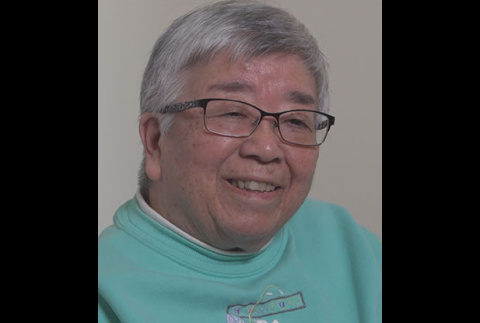
Nisei-Sansei female. Born 1938 in Seattle, Washington. Grew up in the town of Christopher, now part of Auburn, Washington, where parents ran a grocery store. After the bombing of Pearl Harbor, father was arrested by the FBI and sent to the Fort Missoula internment camp, Montana. The rest of the family went to the Puyallup Assembly …
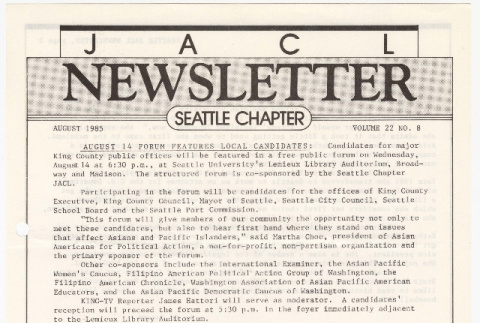
Newsletter covering the following topics: Seattle JACL co-sponsors candidates forum for King County Offices at Seattle University; Hirabayashi teams presents closing arguments' Board Bios-Ellen Miyasato and Cicki Toyohara; Board Meeting notes: LEC and Court Cases fundraising, Hibakusha exams in Seattle.
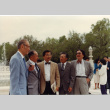
Members of the National Council for Japanese American Redress at the Supreme Court. Photograph titled: "Fred Korematsu, Harry Ueno, Gordon Hirabayashi, George Ikeda, and William Hohri." See this object in the California State Universities Japanese American Digitization project site: P241
Selected article titles: "Parallel Between Treatment of Palestinians and JAs Seen" (pp. 1, 3), "Hirabayashi, Other Asians Listed in Wash. Hall of Fame" (pp. 1, 3), "Conference to Look at How to Resolve Inter-Ethnic Conflict" (p. 3), and "Action in the Senate" (p. 4).
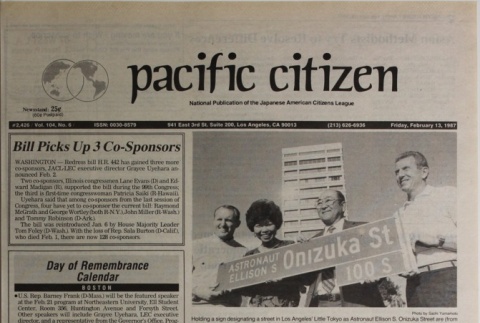
Selected article titles: "Hearing Set for Appeals of Ruling in Hirabayashi Case" (p. 1), "Formerly Weller St.: Street in Little Tokyo Named for Astronaut" (pp. 1-2), "Government Plan to Put Arab Immigrants in Camps Alleged" (pp. 1, 3), and "Defining 'Multicultural Education'" (p. 5).
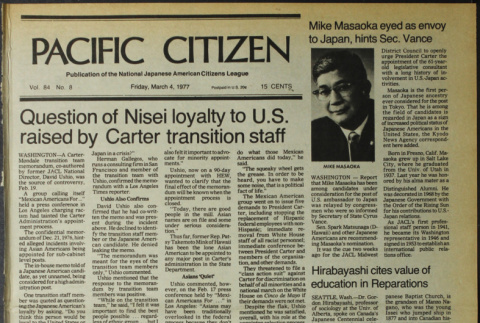
Selected article titles: "Question of Nisei Loyalty to U.S. Raised by Carter Transition Staff" (p.1), "Hirabayashi Cites Value of Education in Reparations" (p.1, 3), "Carter Virtually Ignores Asian American Appointees" (p.2), "Hokazono: Colorado Pioneer" (p.5), "Internment Credit Bill" (p.5).
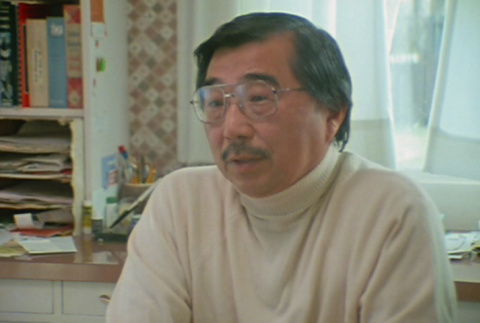
The Steven Okazaki Collection consists of interviews conducted by filmmaker Steven Okazaki for his 1984 Oscar-nominated documentary, Unfinished Business. The film profiles Gordon Hirabayashi, Fred Korematsu, and Minoru Yasui and their legal fight to have their World War II convictions overturned. The interviews are audio-only, and are typically not life histories, instead primarily focusing on issues …
This interview is audio-only. It contains raw footage used by Steven Okazaki in his 1985 film Unfinished Business.
This material is based upon work assisted by a grant from the Department of the Interior, National Park Service. Any opinions, finding, and conclusions or recommendations expressed in this material …
Researching Gordon Hirabayashi's life story (audio only)
This interview is audio-only. It contains raw footage used by Steven Okazaki in his 1985 film Unfinished Business.
This material is based upon work assisted by a grant from the Department of the Interior, National Park Service. Any opinions, finding, and conclusions or recommendations expressed in this material …
Gordon Hirabayashi's incredible wartime story (audio only)
This interview is audio-only. It contains raw footage used by Steven Okazaki in his 1985 film Unfinished Business.
This material is based upon work assisted by a grant from the Department of the Interior, National Park Service. Any opinions, finding, and conclusions or recommendations expressed in this material …
Remembering Gordon Hirabayashi's decision to resist the curfew (audio only)
This interview is audio-only. It contains raw footage used by Steven Okazaki in his 1985 film Unfinished Business.
This material is based upon work assisted by a grant from the Department of the Interior, National Park Service. Any opinions, finding, and conclusions or recommendations expressed …
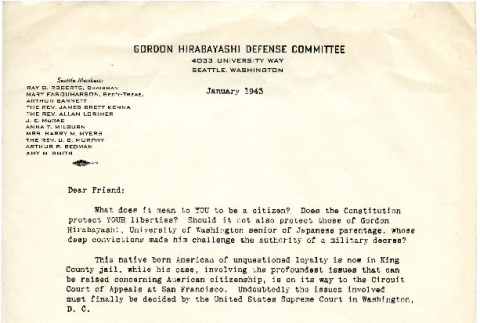
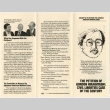
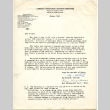
Fundraising letter requesting contributions for taking Gordon Hirabayashi's case to the Circuit Court of Appeals in San Francisco. At the time of writing, Hirabayashi was imprisoned in King County, Washington. See this object in the California State Universities Japanese American Digitization project site: JAIC_1-07_01
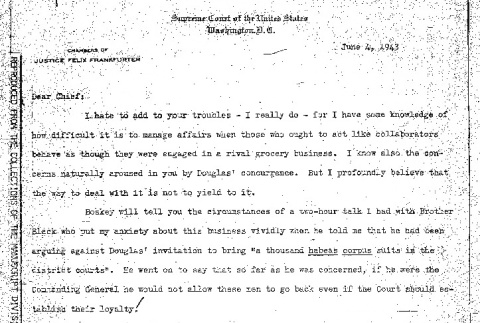
Letter from Justice Felix Frankfurter to Chief Justice Harlan Stone about the Hirabayashi decision. Frankfurter informs Stone that there is a debate surrounding the use of language in the decision -- warns that many more habeas corpus suits could be filed if the court does not accurately state their opinion.