
80 items
80 items
vh
Aiko Herzig-Yoshinaga Interview II Segment 17 (ddr-densho-1000-250-17)
Returning to Los Angeles after leaving camp
vh
Aiko Herzig-Yoshinaga Interview II Segment 12 (ddr-densho-1000-250-12)
Rushing into marriage for fear of being separated during mass removal
vh
Aiko Herzig-Yoshinaga Interview II Segment 5 (ddr-densho-1000-250-5)
Moving from Sacramento to Los Angeles with family at age nine
vh
Aiko Herzig-Yoshinaga Interview II Segment 14 (ddr-densho-1000-250-14)
Transferring to Jerome concentration camp to care for dying father
vh
Aiko Herzig-Yoshinaga Interview II Segment 2 (ddr-densho-1000-250-2)
Father's background: interest in pursuing education
vh
Aiko Herzig-Yoshinaga Interview II Segment 21 (ddr-densho-1000-250-21)
Getting involved with AAA, Asian Americans for Action
vh
Aiko Herzig-Yoshinaga Interview II Segment 18 (ddr-densho-1000-250-18)
Living in Japan with other families of military intelligence servicemen
vh
Aiko Herzig-Yoshinaga Interview II Segment 16 (ddr-densho-1000-250-16)
Husband's overseas military service; separation puts strain on marriage
vh
Aiko Herzig-Yoshinaga Interview II Segment 4 (ddr-densho-1000-250-4)
Description of parents: running a hotel
vh
Aiko Herzig-Yoshinaga Interview II Segment 15 (ddr-densho-1000-250-15)
More stable living conditions in Jerome
vh
Aiko Herzig-Yoshinaga Interview II Segment 24 (ddr-densho-1000-250-24)
Significance of role in redress movement as archival researcher
vh
Aiko Herzig-Yoshinaga Interview II Segment 20 (ddr-densho-1000-250-20)
Living in New York City and working for several nonprofit organizations
vh
Aiko Herzig-Yoshinaga Interview II Segment 3 (ddr-densho-1000-250-3)
Finding out about mother's first marriage
vh
Aiko Herzig-Yoshinaga Interview II Segment 19 (ddr-densho-1000-250-19)
Getting remarried, having two more children
vh
Aiko Herzig-Yoshinaga Interview II Segment 23 (ddr-densho-1000-250-23)
Doing key archival research at the National Archives
vh
Aiko Herzig-Yoshinaga Interview II Segment 9 (ddr-densho-1000-250-9)
Growing up with Japanese cultural values
vh
Aiko Herzig-Yoshinaga Interview II Segment 25 (ddr-densho-1000-250-25)
Role as an archival researcher: "It was like a second career for me"
vh
Aiko Herzig-Yoshinaga Interview II Segment 10 (ddr-densho-1000-250-10)
A few role models during adolescence
vh
Aiko Herzig-Yoshinaga Interview II Segment 8 (ddr-densho-1000-250-8)
Coming to terms with Japanese American identity: wanting to become a popular entertainer
vh
Aiko Herzig-Yoshinaga Interview II Segment 22 (ddr-densho-1000-250-22)
Deciding to marry one more time
vh
Aiko Herzig-Yoshinaga Interview II Segment 27 (ddr-densho-1000-250-27)
Thoughts on the current state of the United States government
img
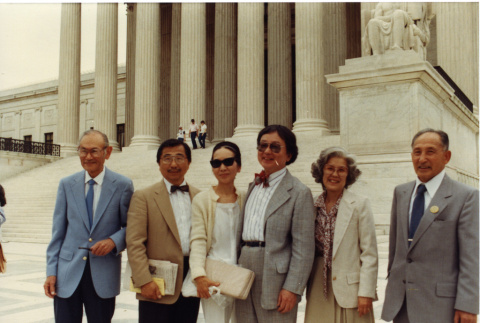
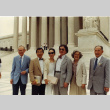
Fred Korematsu, Gordon Hirabayashi, Michi Weglyn, William Hohri, Aiko Herzig, and Harry Ueno (ddr-csujad-29-297)
Group photograph of National Council for Japanese American Redress members at Supreme Court. Photograph titled: "Fred Korematsu, Gordon Hirabayashi, Michi Weglyn, William Hohri, Aiko Herzig, and Harry Ueno." See this object in the California State Universities Japanese American Digitization project site: P240
vh
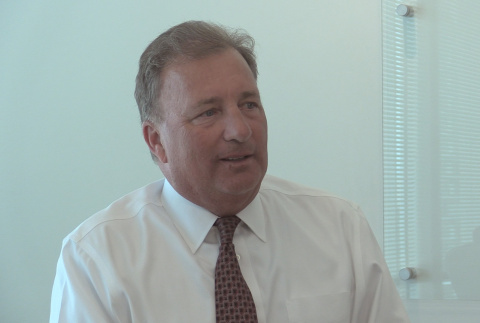
Robert "Bob" Bratt Interview Segment 3 (ddr-densho-1020-6-3)
Getting in touch with Aiko Yoshinaga Herzig after passage of the redress legislation
(This material is based upon work assisted by a grant from the Department of the Interior, National Park Service. Any opinions, findings, and conclusions or recommendations expressed in this material are those of the author(s) and do not necessarily reflect the views of …
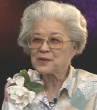
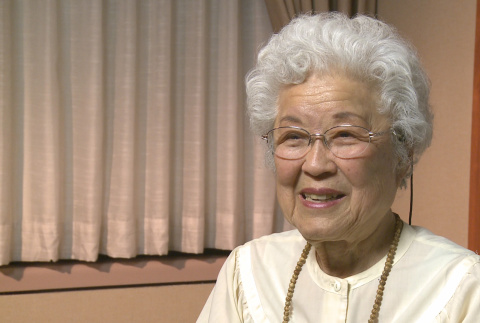
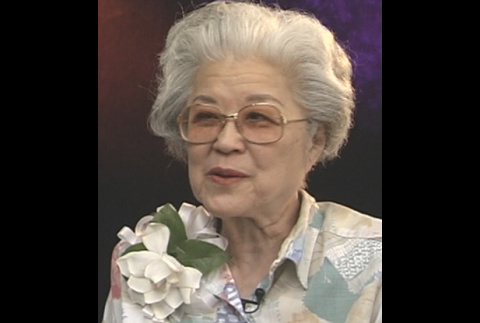
Narrator Aiko Herzig-Yoshinaga
Nisei female. Born August 5, 1924, in Sacramento, California. Grew up in Sacramento and Los Angeles. During World War II, removed to the Manzanar concentration camp, California, and transferred to the Jerome concentration camp, Arkansas. Washington representative and researcher for National Council for Japanese American Redress (NCJAR) and primary archival researcher for the Commission on Wartime …
img
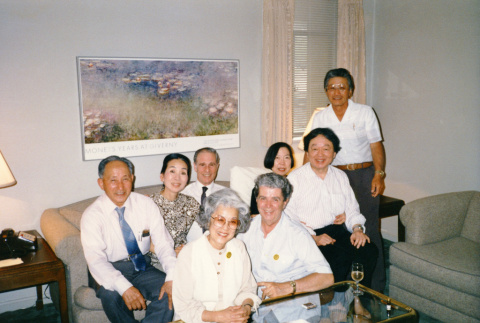
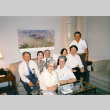
Aiko and Jack Herzig, Harry Ueno, Michi and Walter Weglyn, Yuriko and William Hohri, and George Ikeda (ddr-csujad-29-283)
Photograph titled: "The Capitol Hill hotel, front: Aiko & Jack Herzig; back: Harry Ueno, Michi & Walter Weglyn, Yuriko & William Hohri, and George Ikeda." At the Capitol Hill Hotel with the National Council for Japanese American Redress. See this object in the California State Universities Japanese American Digitization project site: P226