
![[Photograph of Mrs. Lillian Baker, S.I. Hayakawa, and Virginia McCurdy] (ddr-csujad-29-110)](https://ddr.densho.org/media/cache/54/39/5439d4e168eef4774fa3391ec23e2a66.jpg)
50 items
- 1
- 2
doc
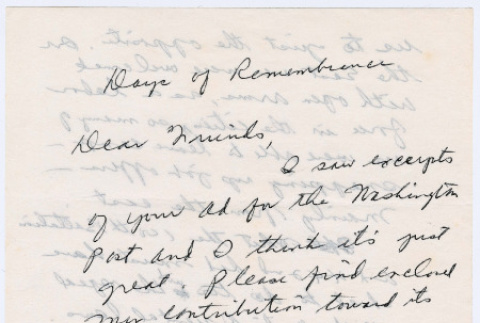
Letter of support for publication of "Open Letter" to S.I. Hayakawa (ddr-densho-122-46)
From Mary Tani, including Tani's personal version of a letter to Sen. Hayakawa.
doc
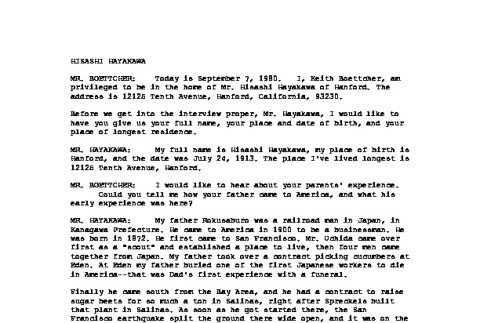
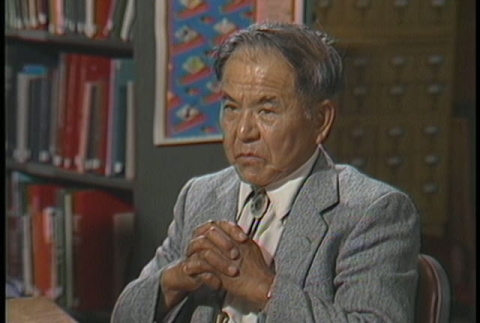
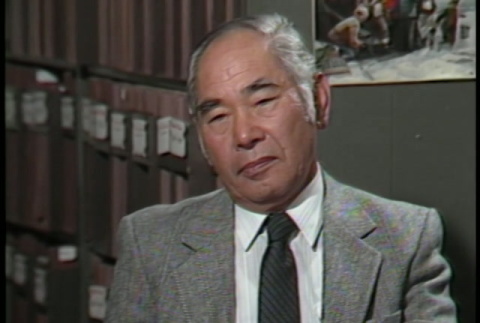
Hisashi Hayakawa (ddr-csujad-8-21)
Oral history interview with Hisashi Hayakawa. Information on the oral history project is found in: csuf_stp_0012A; Glossary in: csuf_stp_0014. See this object in the California State Universities Japanese American Digitization project site: FCPL Hayakawa, Hisashi
vh
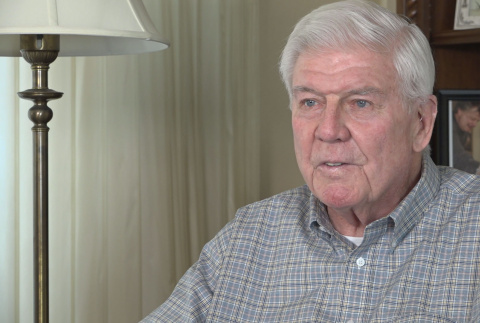
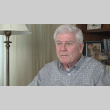
John A. (Jack) Svahn Interview Segment 17 (ddr-densho-1000-536-17)
Other people in communication with Ronald Reagan about redress
doc
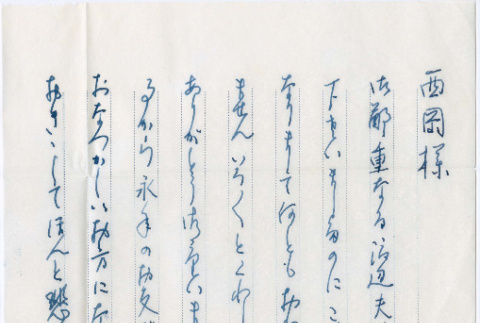
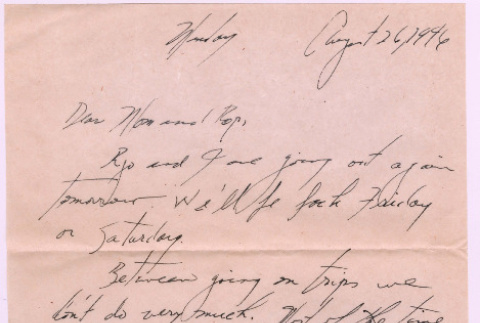
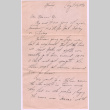
Letter from Tadashi Ishida to Mr. & Mrs. Y Ishida (ddr-densho-535-391)
He and Ryo are leaving for another trip the next day; saw a film starring the Japanese actor Sessue Hayakawa called "Macao"; Hayakawa was in Paris during the war and several of the men from the 442nd met him there. Parents' note on envelope back: 394 Thursday Sept. 5, 1946
av
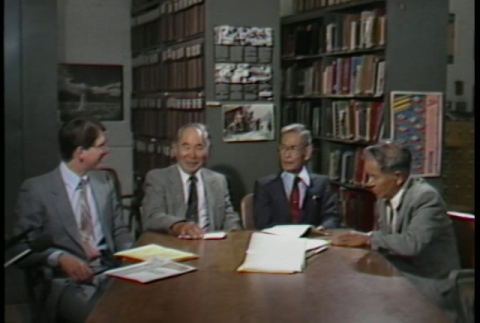
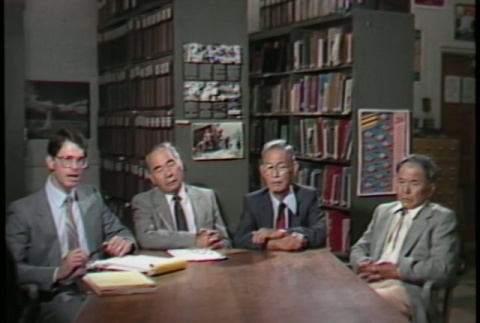
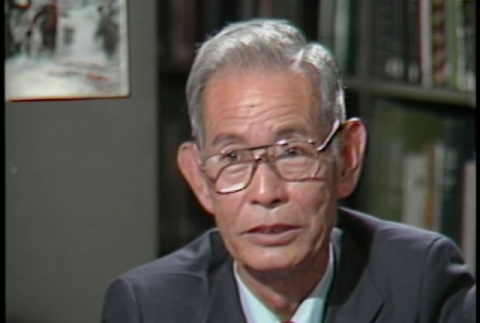
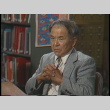
Interview with Paul Minerich, Tim Nomiyama, Masao Kataoka, and Kenjiro Hayakawa, part 5 of 8 (ddr-densho-1007-1802)
From left to right: Minerich, Nomiyama, Kataoka, Hayakawa. Kataoka and Hayakawa discuss why they refused to serve. Kataoka discusses why he had little faith that justice would be done and the change in attitudes towards Japanese Americans since the war. Nomiyama discusses why he refused to fight. Interview starts at 0:27. Loni Ding can be heard …
doc
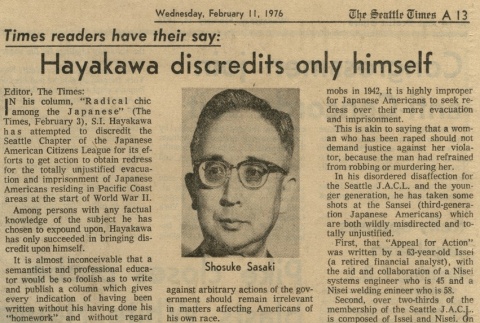
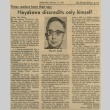
Letter to the editor: "Hayakawa discredits only himself" (ddr-densho-274-35)
Letter to the editor from Shosuke Sasaki in response to a previous article written by S.I. Hayakawa, which was highly critical of the redress movement.
av
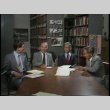
Interview with Paul Minerich, Tim Nomiyama, Masao Kataoka, and Kenjiro Hayakawa, part 6 of 8 (ddr-densho-1007-1803)
From left to right: Minerich, Nomiyama, Kataoka, Hayakawa. Hayakawa discusses confronting his commanding officer and why he chose not to serve. Nomiyama discusses how some of his friends didn't understand why he refused to serve, and telling his children about his experiences. Kataoka discusses telling his family about his experiences during the war. Interview starts at …
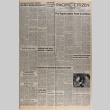
doc
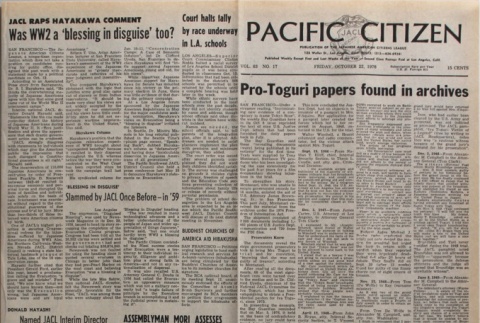
Pacific Citizen, Vol. 83, No. 17 (October 22, 1976) (ddr-pc-48-42)
Selected article titles: "JACL Raps Hayakawa Comment: Was WW2 a 'Blessing in Disguise' Too?" (p. 1), "Pro-Toguri Papers Found in Archives" (pp. 1-2), and "What It Means to Be Hawaiian" (p. 2).
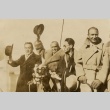
img
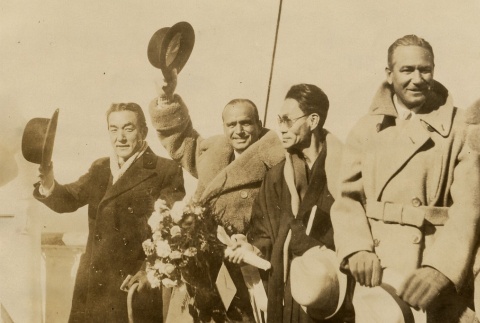
Victor Fleming, Sojin Kamiyama, Douglas Fairbanks, and Sessue Hayakawa waving on the deck of a ship (ddr-njpa-1-391)
Caption on reverse [translation]: Popular Man of the Movie World Douglas Comes to Japan. The cruise ship the Bergenland pulled into Yokohama at 11 a.m. on the 21st carrying the party of King of the Screen Douglas [Fairbanks] and famous director Victor Fleming for a great welcome including [illegible] Hiroaki, Sessue Hayakawa, and Sojin Kamiyama. They …
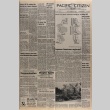
doc
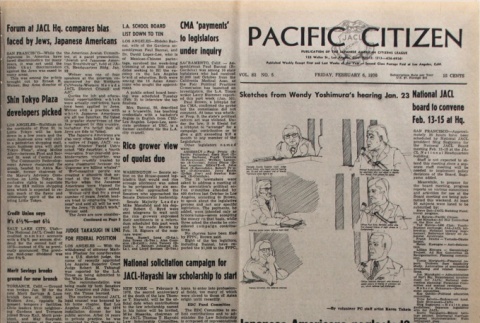
Pacific Citizen, Vol. 82, No. 5 (February 6, 1976) (ddr-pc-48-5)
Selected article titles: "Japanese Americans Neglected?" (p. 1), "Editorials: Growth of JACL (Excerpts of a 1940 Speech by Walter Tsukamoto)" (p. 2), "Hayakawa Critical of WW2 Camp Issue Revival" (p. 3), and "Book Review: Michi and Me" (p. 6).
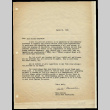
doc
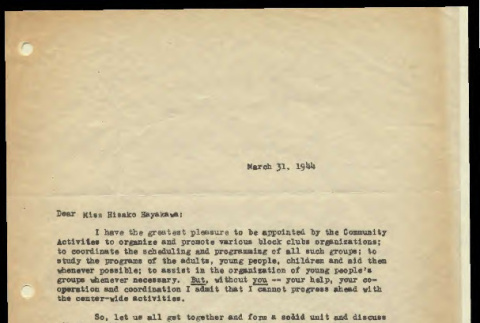
Letter from Dale Morioka, Block Club Coordinator, Heart Mountain, to Miss Hisako Hayakawa, March 31, 1944 (ddr-csujad-55-719)
Correspondence from Dale Morioka to Hisako Hayakawa regarding clubs and programming at Heart Mountain incarceration camp. See this object in the California State Universities Japanese American Digitization project site: sac_jaac_0721
doc
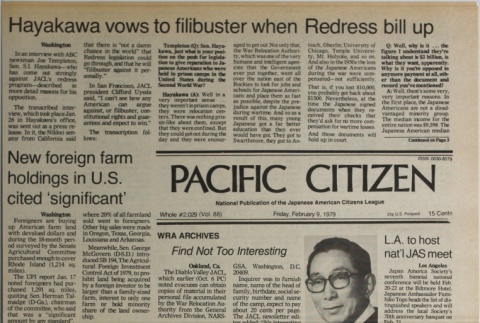
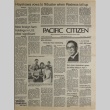
Pacific Citizen , Vol. 88, No. 2029 (February 9, 1979) (ddr-pc-51-5)
Selected article titles: "Hayakawa Vows to Filibuster When Redress Bill Up" (pp. 1, 3, 12), "Chinese Filling U.S. Immigration Quota Fast'" (p. 1), "Butadofu: Phil Jordan: 'Silicon Valley' Shenanigans" (p. 5), and "Redress Phase Two: John Tateishi: A Moral Issue" (p. 6).
doc
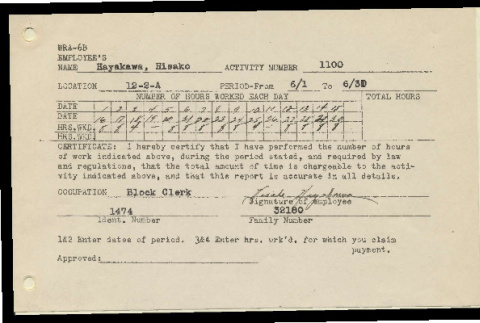
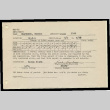
Form WRA-6B, Hisako Hayakawa (ddr-csujad-55-627)
Time card belonging to Hisako Hayakawa for her position as a Block Clerk at Heart Mountain incarceration camp. Form WRA-6B. See this object in the California State Universities Japanese American Digitization project site: sac_jaac_0629
doc
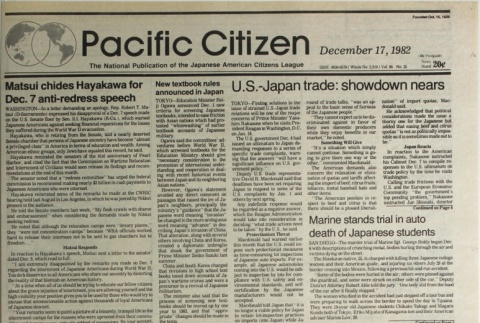
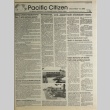
Pacific Citizen, Vol. 95, No. 25 (December 17, 1982) (ddr-pc-54-50)
Selected article titles: "Matsui Chides Hayakawa for Dec. 7 Anti-Redress Speech" (p. 1), "U.S.-Japan Trade: Showdown Nears" (pp. 1, 4), "A-Bomb Survivors to Seek Hibakusha Research Bill" (p. 2), and "From the Frying Pan: Niihau: Bizarre Episode of WWII" (p. 5).
doc
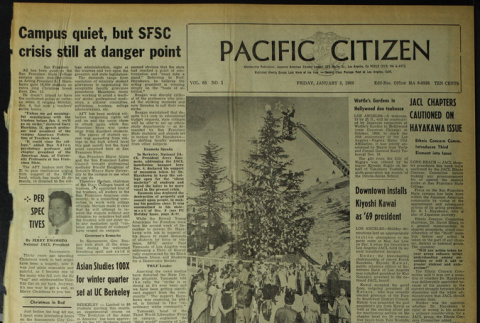
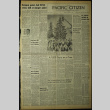
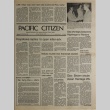
Pacific Citizen, Vol 68, No. 1 (January 3, 1969) (ddr-pc-41-1)
Select article titles: "A 1,000 Tsuru on a Tree" (p. 1); "Campus quiet, but SFSC crisis still at danger point" (p. 1); "JACL Chapters Cautioned on Hayakawa Issue" (p. 1); "Okei-san missing from 1870 census" (p. 3); "Listen to youth, Sen. Onouye warns; their credentials high, patience low" (p. 4).
doc
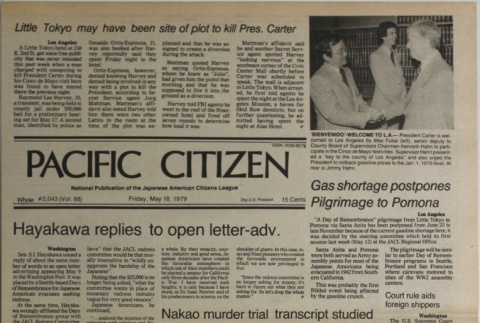
Pacific Citizen, Vol. 88, No. 2043 (May 18, 1979) (ddr-pc-51-19)
Selected article titles: "Hayakawa Replies to Open Letter-Adv." (p. 1), "Gov. Brown Snubs Asian Heritage Wk." (pp. 1-2), "Midwest District Council: Youth Workshop--Milwaukee: Nisei Evacuees Relate Camp Experiences" (p. 7), and "Japan and U.S. as Partners in a Common Future" (pp. 7, 12).
av
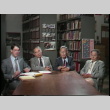
Hollywood Judo Dojo footage, part 3 of 3; interview with Paul Minerich, Tim Nomiyama, Masao Kataoka, and Kenjiro Hayakawa, part 1 of 8 (ddr-densho-1007-1798)
From start of tape until 3:00, footage of Frank Emi and Gary (last name unknown) sparring at the Hollywood Judo Dojo. Interview with (from left to right) Paul Minerich, Tim Nomiyama, Masao Kataoka and Kenjiro Hayakawa starts at 3:08. Nomiyama, Kataoka and Hayakawa were part of the "DB Boys", Nisei soldiers who were court-martialed for disobeying …
doc
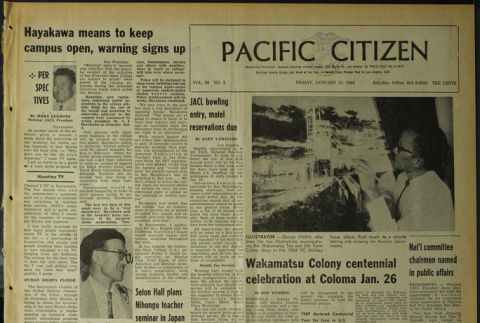
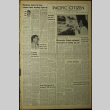
Pacific Citizen, Vol 68, No. 2 (January 10, 1969) (ddr-pc-41-2)
Select article titles: "Hayakawa means to keep campus open, warning signs up" (p. 1); "PC columnists T. Murayama dies aboard ship" (p. 1); "Wakamatsu Colony centennial celebration at Coloma Jan. 26" (p. 1); "Issue of Detention camps in a Democracy" (p. 3); "JACL meets with SFSC people" (p. 4).
doc
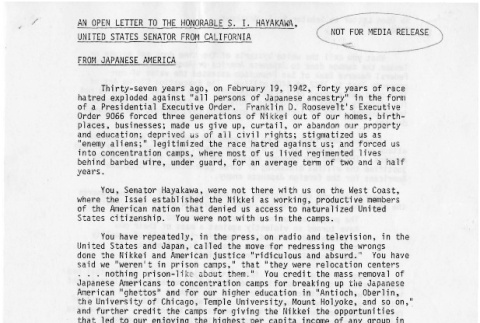
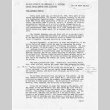
Open letter to the Honorable S. I. Hayakawa, United Senator from California (ddr-csujad-24-62)
An open letter criticizing Senator S.I. Hayakawa for his public defense of Japanese American incarceration during World War II, possibly written by Frank Chin. See this object in the California State Universities Japanese American Digitization project site: chi_04_004
![[Photograph of Mrs. Lillian Baker, S.I. Hayakawa, and Virginia McCurdy] (ddr-csujad-29-110)](https://ddr.densho.org/media/cache/15/d9/15d9e9275e6a75cdb2cefda36c182a5f.jpg)
img
[Photograph of Mrs. Lillian Baker, S.I. Hayakawa, and Virginia McCurdy] (ddr-csujad-29-110)
Mrs. Lillian Baker with S.I. Hayakawa and Virginia McCurdy. Mrs. Baker was South Bay Chair for Senator Hayakawa's primary campaign in 1977. Miss McCurdy was another campaign worker. See this object in the California State Universities Japanese American Digitization project site: P030
doc
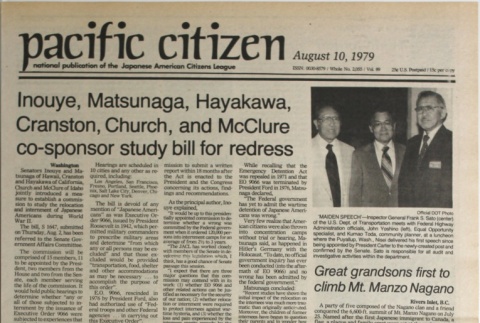
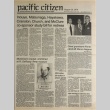
Pacific Citizen, Vol. 89, No. 2055 (August 10, 1979) (ddr-pc-51-31)
Selected article titles: "Inouye, Matsunaga, Hayakawa, Cranston, Church, and McClure Co-Sponsor Study Bill for Redress" (pp. 1-2), "Munemori's Medals Enshrined at Ft. DeRussy Army Museum" (p. 1), "In the Wake of Hiroshima" (p. 3), and "Question and Answer Fact Sheet: Why Seek Redress? What Are the Issues?" (pp. 5, 8).
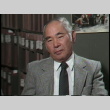
av
Interview with Paul Minerich, Tim Nomiyama, Masao Kataoka, and Kenjiro Hayakawa, part 2 of 8 (ddr-densho-1007-1799)
From left to right: Minerich, Nomiyama, Kataoka, Hayakawa. Minerich discusses the urgency of the DB Boys case. Nomiyama and Kataoka discuss whether they thought their court martials would ever be reversed. Kataoka discusses growing up in LA, meeting Edmund Zane in high school, how the two became friends, how Zane picked up the legal case of …
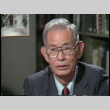
av
Interview with Paul Minerich, Tim Nomiyama, Masao Kataoka, and Kenjiro Hayakawa, part 3 of 8 (ddr-densho-1007-1800)
From left to right: Minerich, Nomiyama, Kataoka, Hayakawa. Kataoka discusses being a soldier when evacuation started, the interment of his wife, and the relationship between Kibei and Nisei soldiers. Kataoka and Nomiyama discuss how they met. Nomiyama discusses when he decided to refuse to serve, being called a traitor when he left Japan, returning to the …
doc
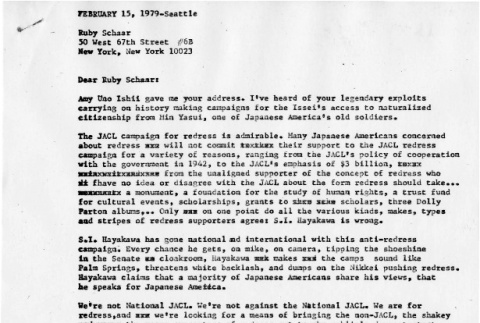
Letter from Chin to Ruby Schaar, February 15, 1979 (ddr-csujad-24-63)
A letter from Chin to Ruby Schaar about redress issues. The author criticizes the Japanese American Citizens League (JACL) and also criticizes U.S. Senator S.I. Hayakawa for his public defense of Japanese American incarceration during World War II. See this object in the California State Universities Japanese American Digitization project site: chi_04_005
- 1
- 2