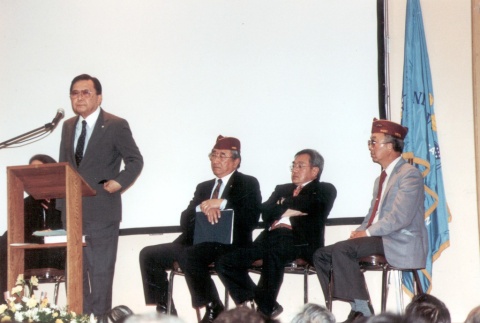
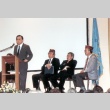
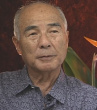
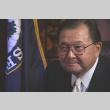
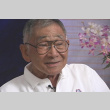
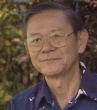
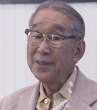
Senator Daniel Inouye of Hawaii was the guest of honor at this dedication honoring fallen Nisei soldiers from Washington State. The memorial is located at the Nisei Veterans Hall in Seattle, Washington. Left to right: Senator Daniel Inouye, unidentified, unidentified, and Seiji Hata.
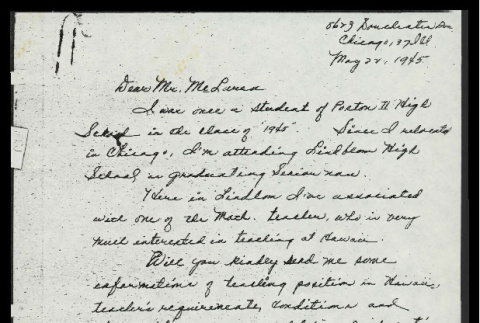
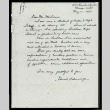
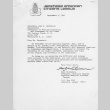
Correspondence from Edward Fukunaga to Dallas McLaren regarding teaching positions in Hawaii. See this object in the California State Universities Japanese American Digitization project site: sac_jaac_1886
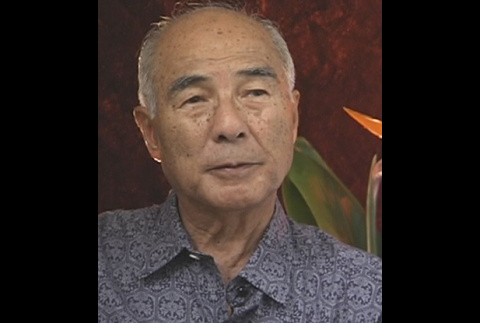
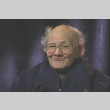
Nisei male. Born March, 1921 in Hilo, Hawaii. Was a lieutenant in the 442nd Regimental Combat Team. Instrumental in clearing the court-martial conviction of Shiro Kashino, a member of his unit.
First battle: "after a while you learn to control fear"
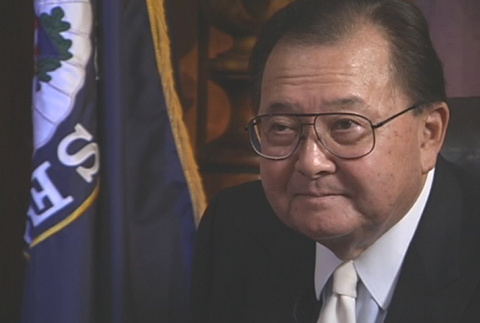
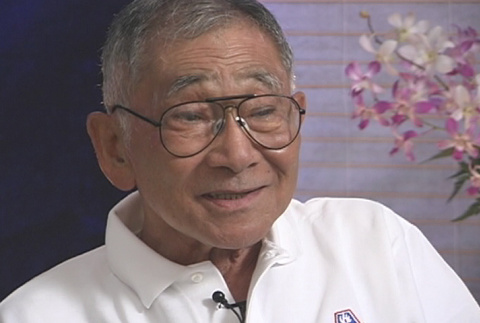
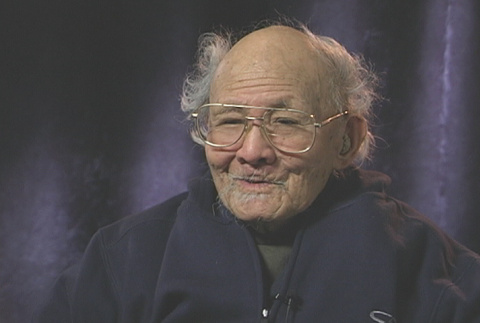
This interview was conducted at the senator's office in Honolulu, Hawaii, as part of a series of interviews with veterans attending the 1998 Americans of Japanese Ancestry Veterans National Convention held in Honolulu, Hawaii. Because of the full conference schedule, the interviews were generally shorter in …
This interview was conducted at the senator's office in Honolulu, Hawaii, as part of a series of interviews with veterans attending the 1998 Americans of Japanese Ancestry Veterans National Convention held in Honolulu, Hawaii. Because of the full conference schedule, the interviews were generally shorter in length than …
The call for military volunteers: running to sign up
This interview was conducted at the senator's office in Honolulu, Hawaii, as part of a series of interviews with veterans attending the 1998 Americans of Japanese Ancestry Veterans National Convention held in Honolulu, Hawaii. Because of the full conference schedule, the interviews were generally shorter in length …
Fighting for the 442nd Regimental Combat Team: a segregated unit
This interview was conducted at the senator's office in Honolulu, Hawaii, as part of a series of interviews with veterans attending the 1998 Americans of Japanese Ancestry Veterans National Convention held in Honolulu, Hawaii. Because of the full conference schedule, the interviews were generally shorter in …
Serving as a military officer, tactics for lowering the casualty rate
This interview was conducted at the senator's office in Honolulu, Hawaii, as part of a series of interviews with veterans attending the 1998 Americans of Japanese Ancestry Veterans National Convention held in Honolulu, Hawaii. Because of the full conference schedule, the interviews were generally shorter …
The Battle of the "Lost Battalion," 800 casualties
This interview was conducted at the senator's office in Honolulu, Hawaii, as part of a series of interviews with veterans attending the 1998 Americans of Japanese Ancestry Veterans National Convention held in Honolulu, Hawaii. Because of the full conference schedule, the interviews were generally shorter in length than …
Doing whatever it takes to be accepted for service
This interview was conducted at the senator's office in Honolulu, Hawaii, as part of a series of interviews with veterans attending the 1998 Americans of Japanese Ancestry Veterans National Convention held in Honolulu, Hawaii. Because of the full conference schedule, the interviews were generally shorter in length …
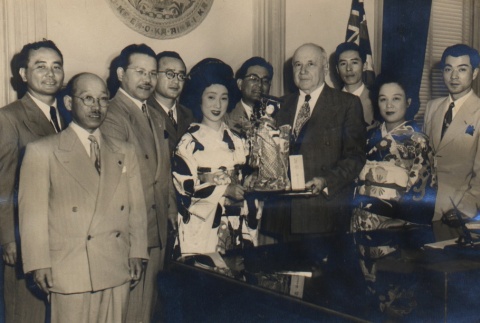
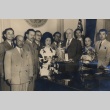
Caption on reverse: "JAPAN MUSICAL STARS MEET GOVERNOR: Pictured here is the group of Japanese musicians, led by famed composer and guitarist Masao Koga, who were received by Governor Ingram M. Stainback in Iolani Palace yesterday afternoon. The governor has just been presented with a doll. Left to right: Itsuo Tokunaga, one of the promoters of …
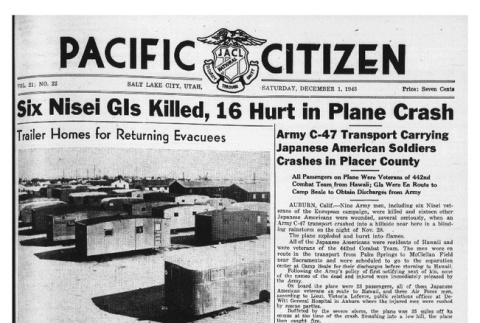
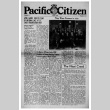
Selected article titles: "Trailer Homes for Returning Evacuees" (p. 1), "Carusi Denies Bias on Nisei Travel Between U.S., Hawaii" (p. 1), "Reporter Unable to Discover Evidence of Any Nisei Part In Japanese Raid on Hawaii" (p. 2), "Gen. MacArthur Will Accept Repatriates from U.S., Says Justice Department Official" (p. 2), "First Tule Lake Group Deported on …
Nisei male. Born November 7, 1920, in Mountain View, Hawaii. Grew up in Hawaii, where parents ran a sugar cane plantation. Was working hauling lumber when Japan attacked Pearl Harbor on December 7, 1941. Was not dismissed from work like other Japanese Americans, and was required to clean up the aftermath of the bombing. Volunteered for …
Sansei male. Born November 23, 1950, in Los Angeles, California. During World War II, father was in a tuberculosis sanitarium, then was taken to the Tule Lake concentration camp, California, and mother was sent to the Santa Anita Assembly Center, California, and the Jerome concentration camp, Arkansas. Parents met in Chicago, Illinois, after leaving the camps. …
Sansei male. Born November 23, 1950, in Los Angeles, California. During World War II, father was in a tuberculosis sanitarium, then was taken to the Tule Lake concentration camp, California, and mother was sent to the Santa Anita Assembly Center, California, and the Jerome concentration camp, Arkansas. Parents met in Chicago, Illinois, after leaving the camps. …
Nisei male. Grew up in Hilo, Hawaii. Was a veterinary student at Kansas State University when Japan bombed Pearl Harbor. Volunteered for the Military Intelligence Service, and served in Burma with the Merrill's Marauders.
Kibei male. Grew up in Kona, Hawaii. After the bombing of Pearl Harbor, volunteered for the Military Intelligence and was an instructor at the language school in Camp Savage, heading the Oral Language Division.
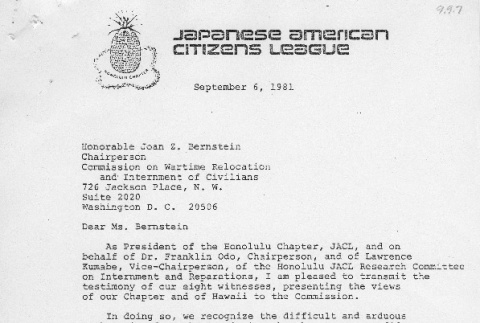
Written testimony of Earl Nishimura, President of the Honolulu, Hawaii, Chapter of the Japanese American Citizens League. This testimony was presented at the CWRIC hearing in Seattle, Washington, on Wednesday, September 9, 1981, in the section titled "The Hawaiian Experience." Personal information excised by Densho.
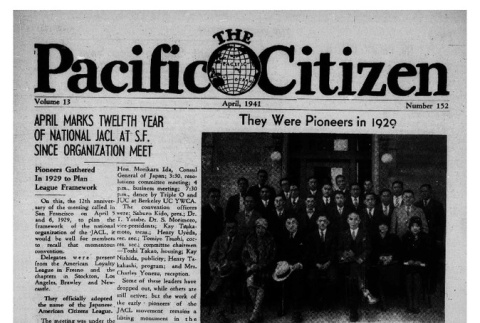
Selected article titles: "April Marks Twelfth Year of National JACL at S.F. Since Organization Meet" (p. 1), "Intelligence Officers Invite SCDC Members to Dinner Meeting, Express Faith in Loyalty of Nisei Citizens" (p. 1), "The Nisei Creed" (p. 1), "A Hawaii Nisei's Viewpoint" (p. 11).