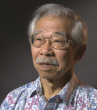
Hearing about the bombing of Peal Harbor (audio only)
This interview is audio-only. It contains raw footage used by Steven Okazaki in his 1985 film Unfinished Business.
This material is based upon work assisted by a grant from the Department of the Interior, National Park Service. Any opinions, finding, and conclusions or recommendations expressed in …
This interview is audio-only. It contains raw footage used by Steven Okazaki in his 1985 film Unfinished Business.
This material is based upon work assisted by a grant from the Department of the Interior, National Park Service. Any opinions, finding, and conclusions or recommendations expressed in this material are those of …
Deciding to enter into an interracial marriage (audio only)
This interview is audio-only. It contains raw footage used by Steven Okazaki in his 1985 film Unfinished Business.
This material is based upon work assisted by a grant from the Department of the Interior, National Park Service. Any opinions, finding, and conclusions or recommendations expressed in …
The significance of the coram nobis cases (audio only)
This interview is audio-only. It contains raw footage used by Steven Okazaki in his 1985 film Unfinished Business.
This material is based upon work assisted by a grant from the Department of the Interior, National Park Service. Any opinions, finding, and conclusions or recommendations expressed in …
Memories of jail: reunited with parents (audio only)
This interview is audio-only. It contains raw footage used by Steven Okazaki in his 1985 film Unfinished Business.
This material is based upon work assisted by a grant from the Department of the Interior, National Park Service. Any opinions, finding, and conclusions or recommendations expressed in this …
This interview is audio-only. It contains raw footage used by Steven Okazaki in his 1985 film Unfinished Business.
This material is based upon work assisted by a grant from the Department of the Interior, National Park Service. Any opinions, finding, and conclusions or recommendations expressed in this material …
Watching family and friends leave for camp (audio only)
This interview is audio-only. It contains raw footage used by Steven Okazaki in his 1985 film Unfinished Business.
This material is based upon work assisted by a grant from the Department of the Interior, National Park Service. Any opinions, finding, and conclusions or recommendations expressed in …
Circulating a written statement detailing reasons for resistance (audio only)
This interview is audio-only. It contains raw footage used by Steven Okazaki in his 1985 film Unfinished Business.
This material is based upon work assisted by a grant from the Department of the Interior, National Park Service. Any opinions, finding, and conclusions or recommendations expressed …
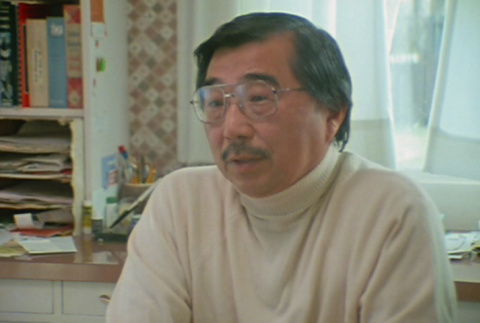
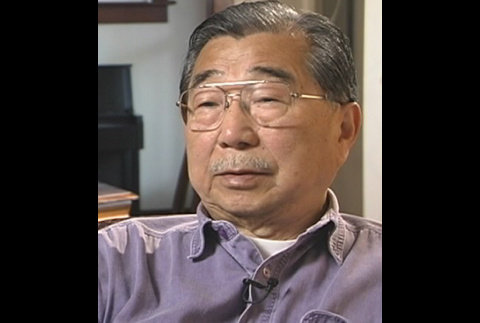
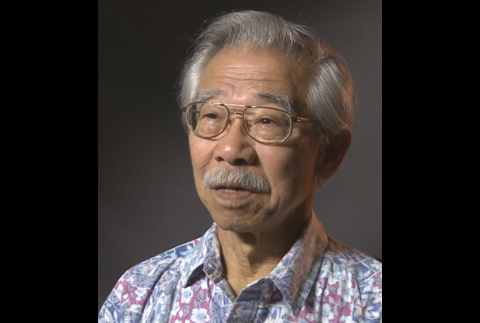
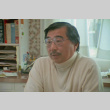
Nisei male. Born April 23, 1918, in Seattle, Washington. Spent most of his childhood in Thomas, Washington, where his parents were part of a Christian farming co-op. Attended the University of Washington where he was active in the Young Men's Christian Association (YMCA), the conscientious objector movement, and became a Quaker. At the outbreak of World …
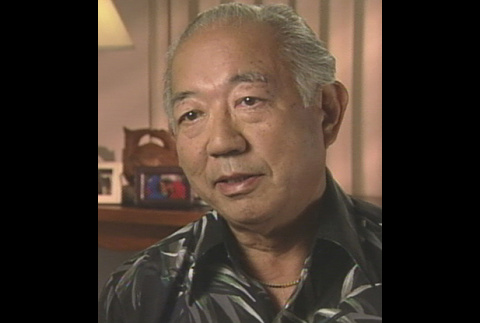
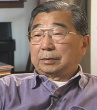
Nisei male. Born October 30, 1926, in small town of Thomas, Washington, on family farm. Attended school in Auburn, Washington, before being removed to the Pinedale Assembly Center and Tule Lake concentration camp, California. Left camp to work in Idaho, and was subsequently joined by family. Postwar, became a social anthropologist, and later became only the …
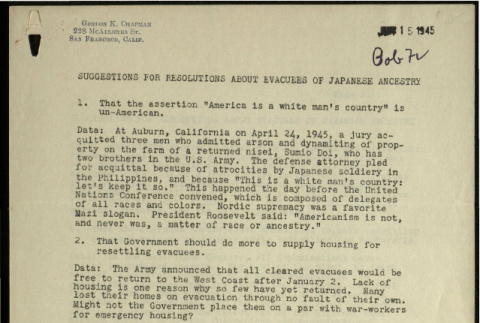
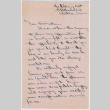
Presents arguments and supporting "data" to assert that the claim that "America is a white man's country" is "un-American"; that the Government must make a greater effort to supply housing and financial aid for people who are resettling; that those opposing resettlement are "making a mockery of our war aim to ensure justice and freedom"; and …
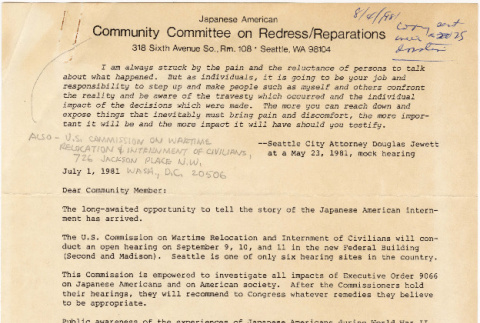
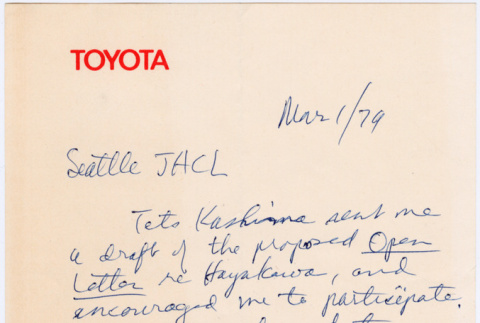
Encouraging community members to participate in the Commission on Wartime Relocation and Internment of Civilians hearings in person or in writing. Pages 2 and 3 contain response from George Tokuda.