
330 items
330 items
vh
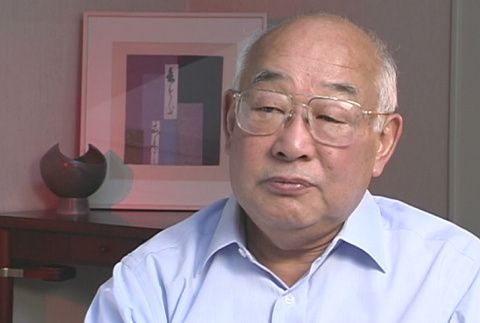
Tomio Moriguchi Interview II (ddr-densho-1000-60)
Ni-ten-gosei (Nisei/Sansei) male. Born April 16, 1936, in Tacoma, Washington. During World War II, was incarcerated with his family at the Tule Lake concentration camp, California. After the war, resettled in Seattle's Nihonmachi, where his father reestablished the family business, Uwajimaya, selling Japanese foodstuff and other items. Worked at Uwajimaya throughout his childhood -- along with …
vh
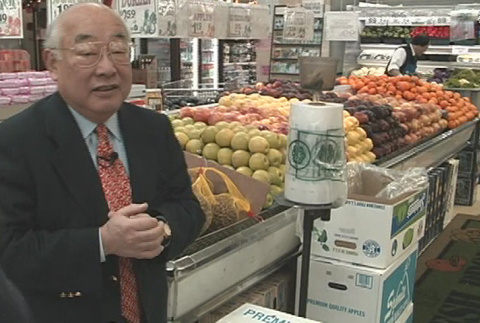
Tomio Moriguchi Interview IV (ddr-densho-1000-62)
Ni-ten-gosei (Nisei/Sansei) male. Born April 16, 1936, in Tacoma, Washington. During World War II, was incarcerated with his family at the Tule Lake concentration camp, California. After the war, resettled in Seattle's Nihonmachi, where his father reestablished the family business, Uwajimaya, selling Japanese foodstuff and other items. Worked at Uwajimaya throughout his childhood -- along with …
img
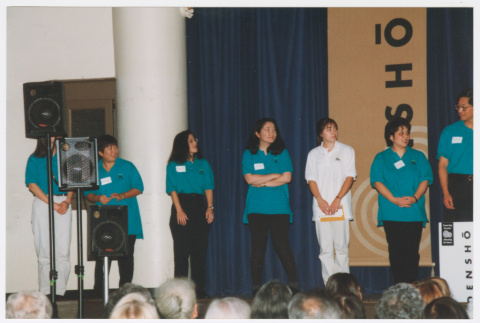
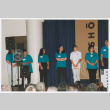
Leftmost picture of staff on Densho Opening Stage (ddr-densho-506-122)
Photo of seven Densho staff members on the left side of the stage during Tom's presentation during the Densho Opening Gala.
vh
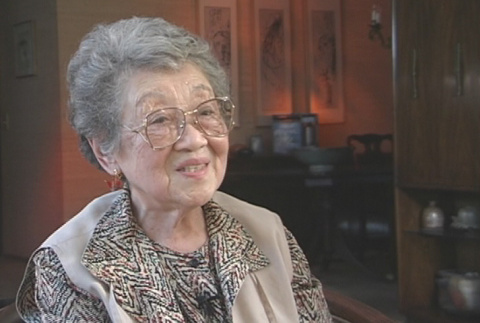
Mutsu Homma Interview (ddr-densho-1000-24)
Issei female. Born June 19, 1911, in Tono City, Iwate-ken, Japan. Immigrated to the United States in 1929. Incarcerated at the Santa Anita Assembly Center, California, and Amache concentration camp, Colorado. Father established and ministered the first Western-style Christian church in Tono City. Husband was assigned to the Santa Anita Assembly Center as the official head …
vh
Tomio Moriguchi Interview I Segment 23 (ddr-densho-1000-59-23)
Becoming head of Uwajimaya, Inc.: business expands and father becomes ill
vh
Tomio Moriguchi Interview I Segment 4 (ddr-densho-1000-59-4)
Description of father, values and personal philosophies
vh
Tomio Moriguchi Interview I Segment 3 (ddr-densho-1000-59-3)
Running store and raising the family, "The quiet strength" of mother
vh
Tomio Moriguchi Interview I Segment 27 (ddr-densho-1000-59-27)
The future of Uwajimaya, a tricky question of succession
vh
Tomio Moriguchi Interview I Segment 10 (ddr-densho-1000-59-10)
Fortuitous circumstances and strong business sense eases the chore of restarting business
vh
Tomio Moriguchi Interview I Segment 16 (ddr-densho-1000-59-16)
Postwar opportunities for Japanese Americans: societal, cultural, and self-imposed limitations
vh
Tomio Moriguchi Interview I Segment 5 (ddr-densho-1000-59-5)
Father's maintaining family ties to Japan
vh
Tomio Moriguchi Interview I Segment 9 (ddr-densho-1000-59-9)
Parents' reasons for settling in Seattle and restarting Uwajimaya
vh
Tomio Moriguchi Interview I Segment 14 (ddr-densho-1000-59-14)
The expectation to help with the family business
vh
Tomio Moriguchi Interview I Segment 17 (ddr-densho-1000-59-17)
Attending school with students of different ethnicities
vh
Tomio Moriguchi Interview I Segment 6 (ddr-densho-1000-59-6)
Taking Japanese language classes in Tule Lake
vh
Tomio Moriguchi Interview I Segment 2 (ddr-densho-1000-59-2)
Father's business making and delivering food to the Issei work camps, origins of Uwajimaya
vh
Tomio Moriguchi Interview I Segment 15 (ddr-densho-1000-59-15)
Decision to go into engineering, old attitudes towards entrepreneurism
vh
Tomio Moriguchi Interview I Segment 21 (ddr-densho-1000-59-21)
Reflecting on personal strength: "to fill niches that were not being filled"
vh
Tomio Moriguchi Interview I Segment 7 (ddr-densho-1000-59-7)
Mother copes with raising several children in camp, including newborns
vh
Tomio Moriguchi Interview I Segment 12 (ddr-densho-1000-59-12)
Mother as the backbone of family business
vh
Tomio Moriguchi Interview I Segment 18 (ddr-densho-1000-59-18)
Japanese cultural values: being a good citizen within a community
vh
Tomio Moriguchi Interview I Segment 19 (ddr-densho-1000-59-19)
Feeling comfortable with friends of different ethnic backgrounds
vh
Tomio Moriguchi Interview I Segment 24 (ddr-densho-1000-59-24)
Working at Boeing & Uwajimaya, successful participation in the World's Fair
vh
Tomio Moriguchi Interview I Segment 25 (ddr-densho-1000-59-25)
Becoming president of Uwajimaya after father's passing