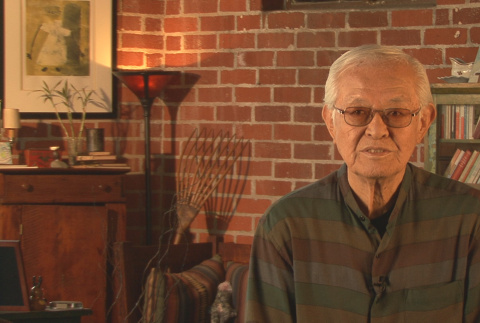
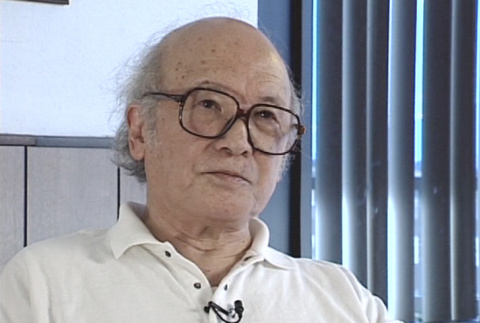
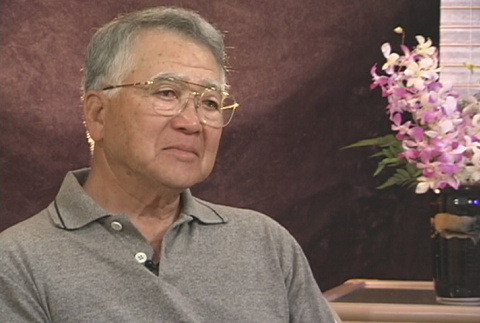
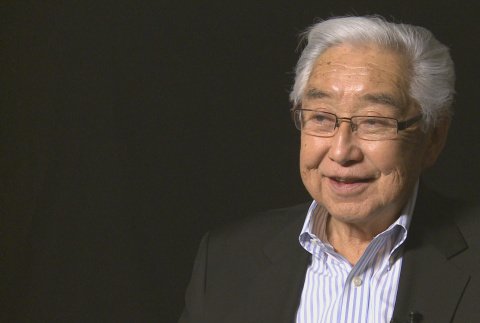
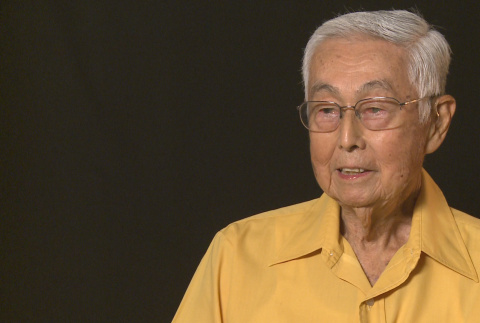
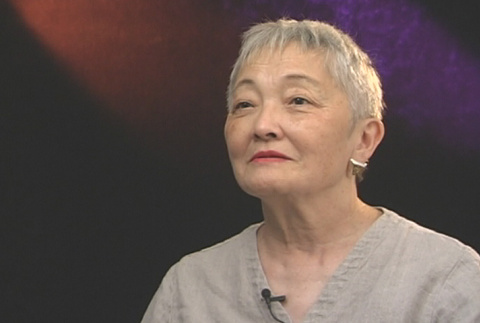
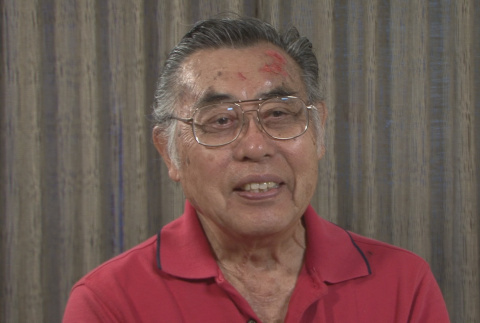
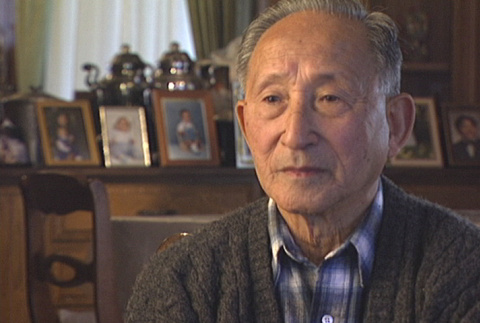
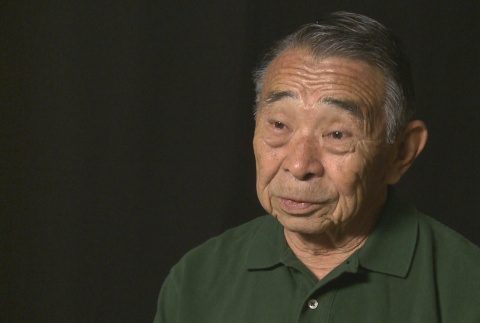
Although Mr. Matsumoto does not identify himself as a Kibei (American-born person of Japanese ancestry sent to Japan for formal education and socialization when young and later returned to the U.S.), some of his life experiences are similar to …
Nisei male. Born July 24, 1925, in Ketchikan, Alaska. Grew up in Ketchikan, where parents ran a store. During World War II, was removed to the Puyallup Assembly Center, Washington, and the Minidoka incarceration camp, Idaho. After leaving camp, went with family to work for a time …

This material is based upon work assisted by a grant from the Department of the Interior, National Park Service. Any opinions, finding, and conclusions or recommendations expressed in this material are those of the author(s) and do not necessarily reflect the views …

This interview was conducted at the 1998 Tule Lake Pilgrimage held at Klamath Falls, Oregon and at the site of Tule Lake incarceration camp in California. Given the limited time available during this event, the length and breadth of this interview …

This interview was conducted at the 1998 Americans of Japanese Ancestry Veterans National Convention, held in Honolulu, Hawaii. Given the full conference schedule, interviews conducted at the reunion were shorter in length than typical Densho interviews. Beverly Kashino, one of the interviewers, …
This material is based upon work assisted by a grant from the Department of the Interior, National Park Service. Any opinions, finding, and conclusions or recommendations expressed in this material are those of the author(s) and do not necessarily reflect the views …
This interview was conducted by filmmaker Frank Abe for his 2000 documentary, Conscience and the Constitution, about the World War II resisters of conscience at the Heart Mountain incarceration camp. As a result, the interviews in this collection are typically not life histories, instead primarily focusing …

This interview was conducted by filmmaker Frank Abe for his 2000 documentary, Conscience and the Constitution, about the World War II resisters of conscience at the Heart Mountain incarceration camp. As a result, the interviews in this collection are typically not life histories, instead …
This interview was conducted by filmmaker Frank Abe for his 2000 documentary, Conscience and the Constitution, about the World War II resisters of conscience at the Heart Mountain incarceration camp. As a result, the interviews in this collection are typically not life histories, instead primarily focusing on …



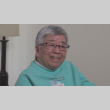

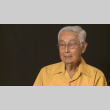

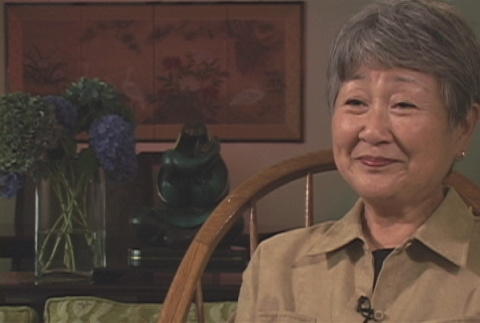
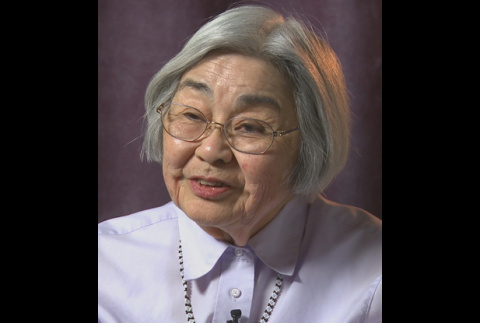
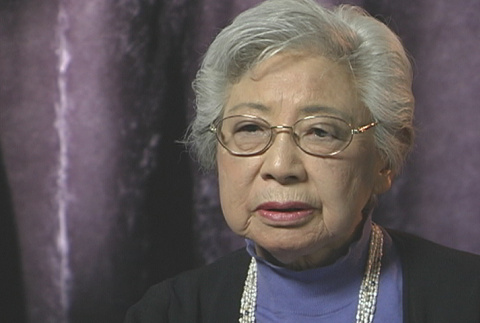
Narrator Kazuko Uno Bill
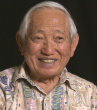
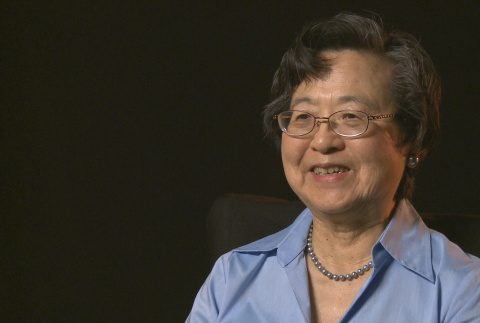
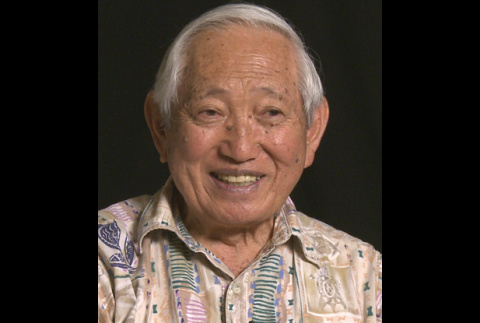
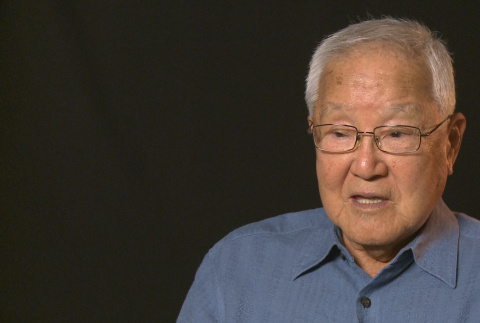
Narrator Susumu Oshima

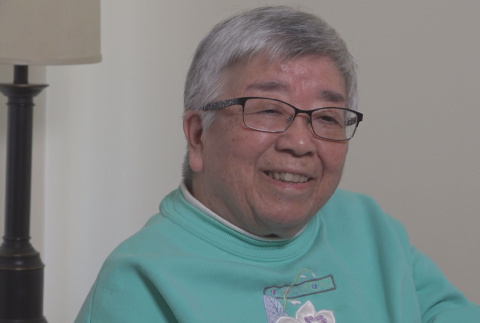
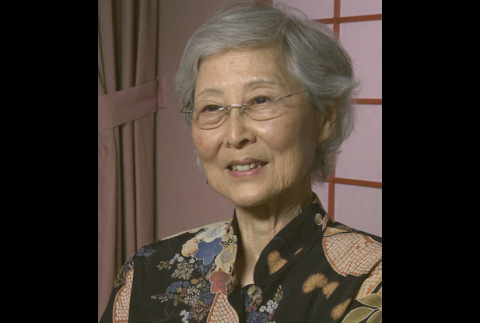
Narrator Lillian Nakano

This interview was conducted at the Voices of Japanese American Redress Conference, held on the UCLA campus and sponsored by the UCLA Asian American Studies Center and the UCLA School of Public Policy and Social Research. Because of the full conference schedule, our interviews were limited to one hour. The interviews therefore …
This material is based upon work assisted by a grant from the Department of the Interior, National Park Service. Any opinions, finding, and conclusions or recommendations expressed in this material are those of the author(s) and do …
This interview was conducted by sisters Emiko and Chizuko Omori for their 1999 documentary, Rabbit in the Moon, about the Japanese American resisters of conscience in the World War II incarceration camps. As a result, the interviews in this collection are typically not life …
This material is based upon work assisted by a grant from the Department of the Interior, National Park Service. Any opinions, finding, and conclusions or recommendations expressed in this material are those of the author(s) and …