
10000 items
10000 items
img
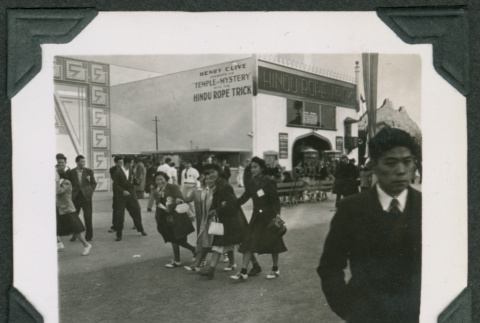
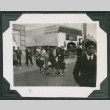
Pedestrians in front of Henry Clive "Hindu Rope Trick" building (ddr-densho-475-515)
Black and white photograph of pedestrians walking in front of the "Henry Clive Presents His "Temple of Mystery" With the Hindu Rope Trick" building at the Golden Gate International Exposition. (negative: object ddr-densho-475-114)
img
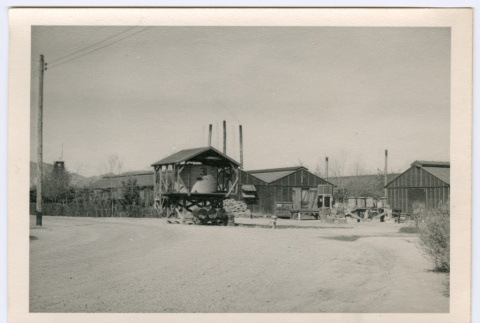
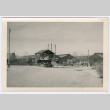
Poston (ddr-densho-475-15)
Black and white photograph of buildings at Poston concentration camp, including a large water tank that has a roof constructed over it and the number "31" painted on its side. (related object: ddr-densho-475-244)
img
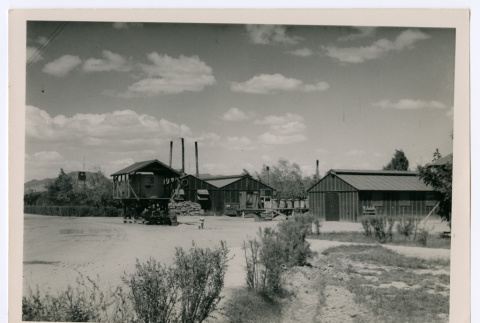
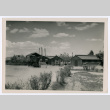
Poston buildings (ddr-densho-475-244)
Black and white photograph of buildings at Poston concentration camp, including a large water tank that has a roof constructed over it and the number "31" painted on its side (related object: ddr-densho-475-15)
img
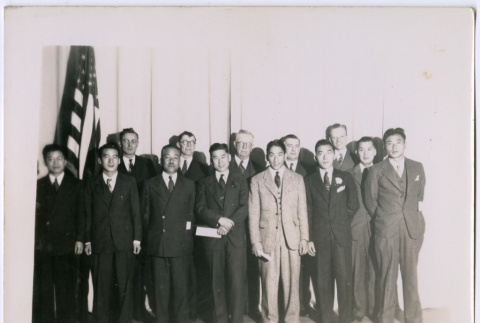
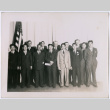
Thirteen men in two rows (ddr-densho-329-827)
Thirteen men in suits lined up in front of a tall curtain, next to a standing American flag, possibly on a stage. Several hold what look like paper documents. Also pictured in ddr-densho-329-826.
img
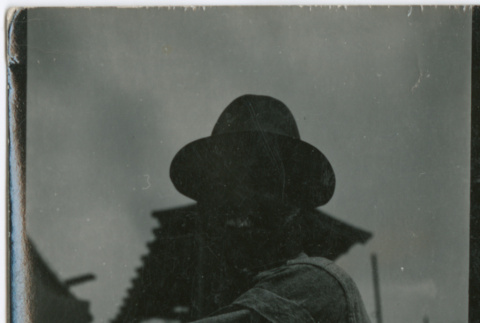
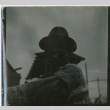
Man smiling (ddr-densho-377-1605)
Man in a hat and denim shirt smiles. The six photographic negatives in objects ddr-densho-377-1605 through -1610 were originally grouped together on one sheet of photo paper and are cropped from one scan.
vh
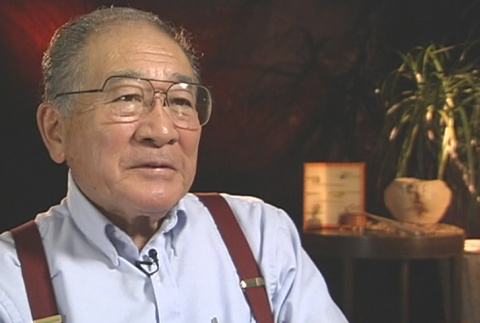
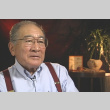
Harvey Watanabe Interview Segment 32 (ddr-densho-1008-5-32)
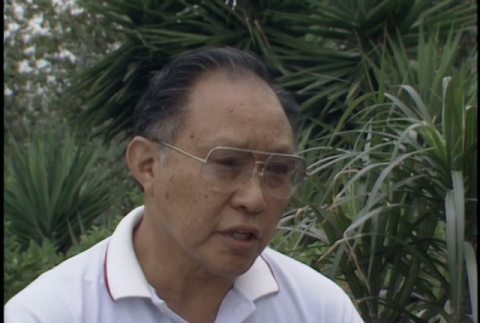
Raising children
Members of the National Japanese American Historical Society (NJAHS) arranged for and conducted this interview in conjunction with Densho.
vh
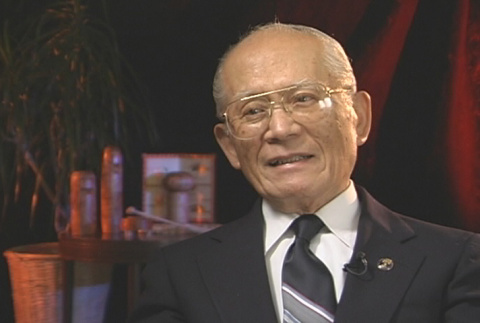
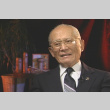
Takashi Matsui Interview Segment 1 (ddr-densho-1008-4-1)
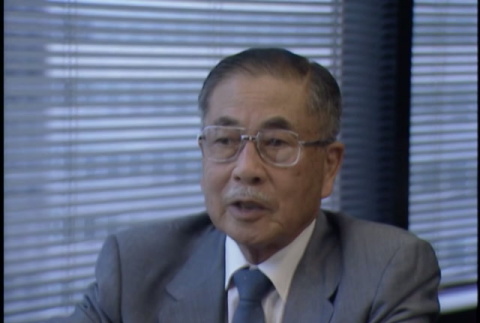
Family background
Members of the National Japanese American Historical Society (NJAHS) arranged for and conducted this interview in conjunction with Densho.
av
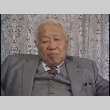
Interview with Masaru Ogawa, part 1 of 3 (ddr-densho-1007-1710)
Ogawa discusses growing up in Hollywood, spending a year in Japan as a child, his experiences with discrimination in high school, attending Japanese classes, being denied from universities for being Japanese, working in Tokyo when the war started, and convincing his parents to move back to Japan in 1941. Loni Ding can be heard asking questions …
av
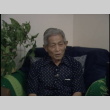
Interview with Jimmie Matsumura, part 2 of 4 (ddr-densho-1007-1606)
Matsumura discusses his time teaching at the 4th Army Military Intelligence School in San Francisco, his experience with John Aiso, his trouble with white officers, the difficulties his students faced, visiting his family at Heart Mountain, and the conflicting feelings his Nisei students had about military service. Loni Ding can be heard asking questions behind the …
av
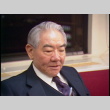
Interview with George Nakamura, part 4 of 5 (ddr-densho-1007-1683)
Nakamura discusses the relationship between the American military and the Chinese government, his impression of the Chinese military, and what he's told his children about incarceration and service. He also reads a letter written about his fellow Nisei Sho Numura, who had to have his appendix removed in China. Loni Ding can be heard asking questions …
av
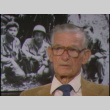
Interview with John Burden and Shig Kihara, part 3 of 4 (ddr-densho-1007-1790)
Burden discusses his experiences working with Nisei and Japanese soldiers, the Japanese taught to the US Marines, the cultural overlaps between Nisei and Japanese nationals, the importance of military intelligence and the Nisei, how he kept his soldiers safe, and taking Atabrine (mepacrine) while serving. Eric Saul and Loni Ding can be heard asking questions behind …
av
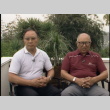
Interview with Harry and Ken Akune, part 1 of 6 (ddr-densho-1007-1589)
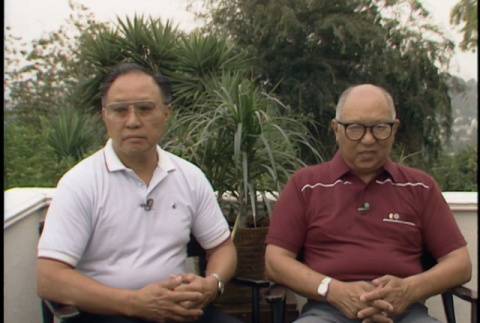
Ken is on the left, Harry on the right. The two discuss growing up together in Turlock, CA, the years they spent in Japan as children, their father's relationship with the Caucasian community in Turlock, and the racial discrimination they faced in Turlock. Video starts at 0:28. Loni Ding can be heard asking questions behind the …
av
Interview with Harry and Ken Akune, part 3 of 6 (ddr-densho-1007-1591)
Ken Akune discusses his time at Amache, his decision to join the military from camp, his time at Camp Savage, his basic training with the 442nd, community objection to his volunteering, and his time in the China-Burma-India theater. Video starts at 0:27. Loni Ding can be heard asking questions behind the camera. Original title: 77, II …
av
Interview with John Aiso, part 2 of 5 (ddr-densho-1007-1575)
Aiso discusses his feelings about serving the US in WWII, his community's reaction to Pearl Harbor, his high school years, his time as academic director of the MISLS, and the difficulties of living at Camp Savage. Video starts at 0:26. Loni Ding can be heard asking questions behind the camera. Original title: 72, II LA #2, …
av
Interview with Monroe Sweetland, part 2 of 3 (ddr-densho-1007-1664)
Sweetland discusses meeting Frank Hachiya's father, Hachiya's father's decision to have Frank buried in Hood River, Frank's funeral, what he knew of Frank's family during the war, Frank's death, and the political climate of Hood River. Loni Ding can be heard asking questions behind the camera. Original title: 148, II MON #16, 9-9-85, Monroe interview, father …
av
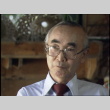
Interview with Don Oka, Steve Yagi, and Shigeo Ito, part 2 of 8 (ddr-densho-1007-1618)
Oka on the left, Yagi in the center, and Ito on the right. Oka tells the story of an encounter with General John DeWitt. The three then discuss their service in the Pacific theater. and working with Japanese prisoners of war. Video starts at 0:22. Loni Ding can be heard asking questions behind the camera. Original …
av
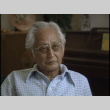
Interview with Harry Fukuhara, part 1 of 6 (ddr-densho-1007-1632)
Fukuhara discusses growing up in Seattle and Auburn, WA, the time he spent in Hiroshima as a child, his time working before college, studying at Woodbury College in LA, his reaction to Pearl Harbor, evacuation, and entering the Tulare assembly center with his sister. Video starts at 0:50. Loni Ding can be heard asking questions behind …
av
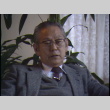
Interview with Barry Saiki, part 4 of 5 (ddr-densho-1007-1705)
Saiki discusses the loyalty questionnaire given to Nisei in camp, visiting his father in New Mexico, being drafted, being recruited for intelligence work, moving to Japan in 1967, his work in international business, and the formation of the Military Intelligence Service Language School Association and other such organizations. Loni Ding can be heard asking questions behind …
doc
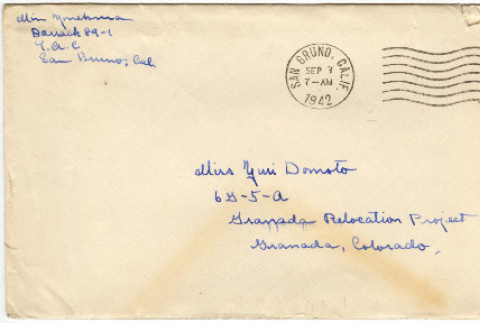
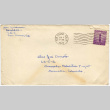
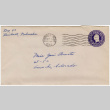
Two letters to Yuri from Min Yonekura (ddr-densho-356-285)
Two letters to Yuriko Domoto Tsukada from Minoru "Min" Yonekura. Both letters stored in one envelope, unclear if they were mailed together or separately. Letter 5/11: describes forced removal, details items needed in assembly center to make barracks feel homey, food quality in the assembly center and general life there. Letter 2: discusses plans to move …
doc
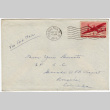
Letter to Yuri Domoto from Richard Tsukada (ddr-densho-356-416)
Letter to Yuriko Domoto Tsukada from her future husband Richard "Dick" Tsukada. Dick describes racism fellow Japanese Americans faced when visiting town and a plan to try and experience it himself. He follows up in a second letter that he did not follow through with his plan and instead visited the library, and continues on to …
doc
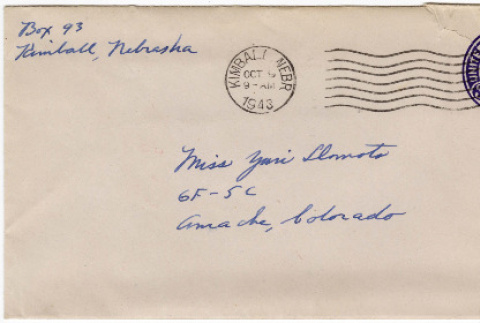
Letter to Yuri Domoto from Margaret Saito (ddr-densho-356-352)
Letter to Yuriko Domoto Tsukada from Margaret Saito in which Margaret provides condolences for the death of Kanetaro Domoto (Yuriko's father). Additionally stored in the envelope were two postcards to Yuriko Domoto Tsukada from Margaret Saito. postcard from 11/2 Margaret talks about a trip to Chicago and looking forward to leaving. postcard from 11/15 Margaret writes …
doc
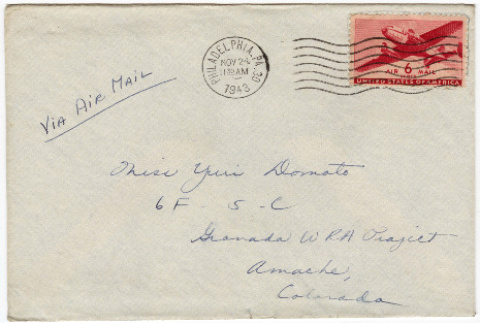
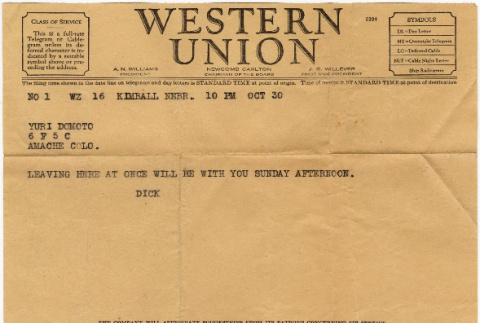
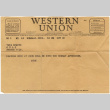
Telegram and note to Yuriko Domoto from Richard Tsukada (ddr-densho-356-435)
Western Union telegram to Yuriko Domoto Tsukada from her future husband Richard "Dick" Tsukada in which Dick tells Yuri he will be back in Amache on Sunday. Additionally stored with the telegram were two calender pages that contained notes. 10/5 note is from Dick to Yuri stating he will be back in a few weeks. The …
doc
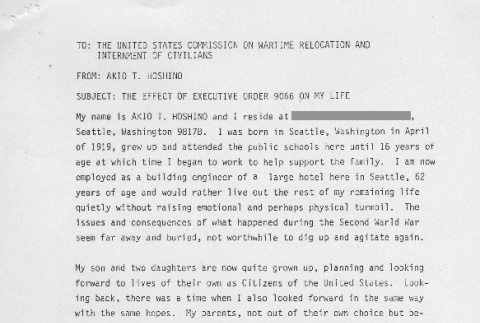
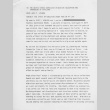
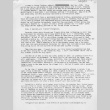
Testimony of Akio T. Hoshino (ddr-densho-67-315)
Written testimony of Akio T. Hoshino, born in Seattle, Washington. Incarcerated in the Minidoka concentration camp, Idaho. This testimony was submitted for the CWRIC hearings in Seattle, Washington, September 9-11, 1981. Personal information excised by Densho.
doc
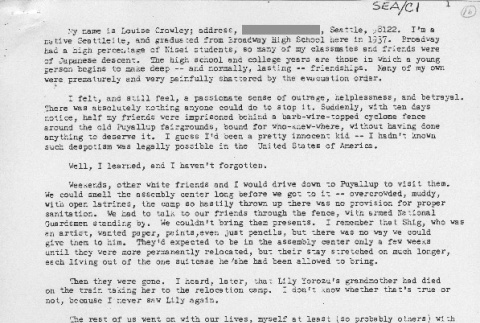
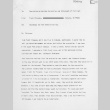
Testimony of Louise Crowley (ddr-densho-67-149)
Written testimony of Louise Crowley of Seattle, Washington. This testimony was presented at the CWRIC hearing in Seattle, Washington, on Wednesday, September 9, 1981, in the section titled "Public Climate and Racism." Personal information excised by Densho.
doc
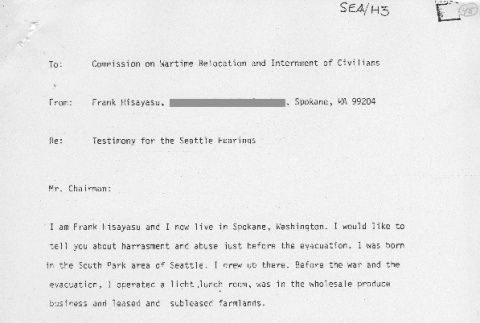
Testimony of Frank Hisayasu (ddr-densho-67-174)
Written testimony of Frank Hisayasu of Spokane, Washington. This testimony was presented at the CWRIC hearing in Seattle, Washington, on Wednesday, September 9, 1981, in the section titled "Economic Loss and Harassment." Personal information excised by Densho.