Densho Digital Repository
Densho Digital Repository
Home
Browse
By Narrator
By Collection
By Topic
By Facility
Names
About
Overview
Using Materials in the DDR
densho.org
Home
Search
Search Results
Filters
Topics
World War II -- Military service -- 442nd Regimental Combat Team (3168)
World War II -- Military service (3142)
Religion and churches -- Christianity (2646)
Community activities -- Conventions and conferences (2163)
Community activities -- Travel (1617)
Identity and values -- Family (1458)
Community activities (1438)
Industry and employment -- Retail (1396)
Community activities -- Associations and organizations -- The Japanese American Citizens League (1280)
Geographic communities -- Washington -- Seattle (1278)
Industry and employment -- Importing (1228)
Identity and values -- Nisei (1007)
Community activities -- Sports (982)
Journalism and media -- Community publications (978)
Identity and values -- Children (965)
World War II -- Concentration camps (851)
Community activities -- Festivals, celebrations, and holidays (812)
World War II -- Concentration camps -- Facilities, services, and camp administration (805)
Community activities -- Weddings (792)
World War II -- Military service -- Military Intelligence Service (763)
Identity and values -- Women (738)
World War II -- Concentration camps -- Education (731)
Arts and literature -- Performing arts -- Film -- Documentaries (727)
Identity and values -- Men (686)
World War II -- Concentration camps -- Publications -- Poston Chronicle (670)
Japan -- Post-World War II (661)
Community activities -- Associations and organizations (657)
Education -- Higher education (639)
Redress and reparations (607)
World War II -- Concentration camps -- Living conditions (586)
Race and racism -- Discrimination (573)
World War II -- Concentration camps -- Work and jobs (565)
Redress and reparations -- Mobilizing and organizing the community (558)
Military service -- Veterans' organizations (546)
World War II -- Leaving camp -- "Resettlement" (539)
Community activities -- Recreational activities (515)
World War II -- Concentration camps -- Publications -- Heart Mountain Sentinel (481)
Geographic communities -- Washington (479)
Military service -- Postwar occupation of Japan (478)
World War II -- Economic losses (469)
Activism and involvement -- Politics (449)
Arts and literature -- Visual arts -- Architecture (444)
World War II -- Concentration camps -- Publications -- Gila News-Courier (442)
World War II -- Concentration camps -- Publications -- Topaz Times (439)
World War II -- Leaving camp -- Returning home (432)
World War II -- Concentration camps -- Publications -- Tulean Dispatch (427)
Japan -- Pre-World War II (426)
Religion and churches -- Buddhism (420)
Reflections on the past (411)
World War II -- Concentration camps -- Publications -- Manzanar Free Press (410)
World War II -- Concentration camps -- Publications -- Rohwer Outpost (400)
Community activities -- Recreational activities -- Picnics (392)
Identity and values -- Japanese American identity (387)
Industry and employment (387)
Industry and employment -- Agriculture (381)
Industry and employment -- Small business (357)
World War II -- Concentration camps -- Publications -- Granada Pioneer (342)
World War II -- Military service -- 100th Infantry Battalion (341)
World War II -- Concentration camps -- Publications (336)
World War II -- Administration -- War Relocation Authority (WRA) (330)
Community activities -- Funerals (328)
Race and racism -- Cross-racial relations (328)
World War II -- "Enemy alien" classification (327)
World War II -- Concentration camps -- Social and recreational activities (323)
Immigration and citizenship (315)
Industry and employment -- Agriculture -- Farming (312)
Arts and literature -- Performing arts -- Film (306)
Identity and values -- Issei (305)
Journalism and media -- Community publications -- Pacific Citizen (303)
Industry and employment -- Gardening (303)
Geographic communities -- New York (295)
Community activities -- Associations and organizations -- Community and social service associations (293)
Activism and involvement -- Civil rights (286)
Arts and literature -- Performing arts -- Music (278)
World War II -- Temporary Assembly Centers -- Living conditions (278)
Activism and involvement (270)
Industry and employment -- Fishing and canneries (259)
World War II -- Mass removal ("evacuation") -- Preparation (254)
Japan -- Okinawa (250)
World War II -- Resistance and dissidence -- Draft resistance (247)
Identity and values (244)
World War II -- Concentration camps -- Medical care and health issues (244)
Community activities -- Sports -- Baseball (242)
Identity and values -- Kibei (229)
Education -- Secondary education (226)
Geographic communities -- Alaska (224)
Religion and churches (221)
Industry and employment -- Small business -- Laundromats (216)
Geographic communities -- California (213)
Redress and reparations -- Commission on Wartime Relocation and Internment of Civilians (CWRIC) -- Hearings -- Seattle, Washington hearings (207)
Industry and employment -- Medicine (203)
Education -- Primary education (202)
World War II -- Pearl Harbor and aftermath -- Arrest, searches, and seizures (202)
World War II -- Pearl Harbor and aftermath -- Personal recollections (202)
World War II -- Leaving camp (201)
Race and racism (201)
World War II -- Mass removal ("evacuation") -- "Evacuation Day" (199)
Reflections on the past -- Camp pilgrimages (199)
Education (196)
Industry and employment -- Agriculture -- Flower growers (196)
Japan -- Government and politics (196)
Japan (195)
World War II -- Department of Justice camps (191)
Redress and reparations -- Commission on Wartime Relocation and Internment of Civilians (CWRIC) -- Hearings -- Washington, D.C. hearings (190)
World War II -- Concentration camps -- Publications -- Minidoka Irrigator (188)
Religion and churches -- Religious organizations (185)
World War II -- Concentration camps -- Holidays and festivals (185)
Geographic communities -- Illinois -- Chicago (183)
Geographic communities -- Hawai'i (179)
Military service -- Post-World War II service (179)
Immigration and citizenship -- Naturalization (178)
World War II -- Concentration camps -- Publications -- Denson Tribune (Jerome) (178)
Arts and literature -- Performing arts -- Theater (176)
World War II -- Resistance and dissidence -- Segregation and Tule Lake (176)
World War II -- Resistance and dissidence -- Expatriation/repatriation/deportation (175)
Community activities -- Sports -- Fishing (175)
Community activities -- Associations and organizations -- Boy Scouts and Girl Scouts of America (174)
Arts and literature -- Literary arts -- Essays (170)
Arts and literature -- Performing arts (170)
Arts and literature -- Visual arts -- Photography (167)
Industry and employment -- Small business -- Bakeries (165)
World War II -- Concentration camps -- Sports (165)
Geographic communities -- New York -- New York (161)
World War II -- Concentration camps -- Arts and literature (158)
World War II -- Pearl Harbor and aftermath -- Responses of non-Japanese Americans (157)
World War II -- Administration -- Registration and the "loyalty questionnaire" (157)
Redress and reparations -- Commission on Wartime Relocation and Internment of Civilians (CWRIC) -- Hearings (153)
World War II -- Support from the non-Japanese American community (149)
Redress and reparations -- Legal cases/coram nobis cases (145)
World War II -- Military service -- Women's Army Corps/Women's Army Auxiliary Corps (141)
Immigration and citizenship -- Law and legislation -- Discriminatory laws (139)
Geographic communities -- Oregon -- Portland (139)
Education -- Japanese language schools (138)
Education -- Public schools (135)
World War II -- Leaving camp -- Work leave (134)
World War II -- Mass removal ("evacuation") (134)
World War II -- Concentration camps -- Impact of incarceration (132)
Japan -- During World War II (131)
Arts and literature -- Literary arts -- Poetry (130)
Arts and literature -- Visual arts -- Drawing (130)
Arts and literature -- Visual arts -- Ikebana (129)
World War II -- Leaving camp -- Student leave (127)
Immigration and citizenship -- Arrival (125)
World War II -- Concentration camps -- Conflicts, intimidation, and violence (124)
World War II -- Concentration camps -- Food (121)
Military service (120)
World War II -- Military service -- 522nd Field Artillery Battalion (120)
World War II -- Atomic bombings of Hiroshima and Nagasaki (117)
Community activities -- Nihonmachi ("Japantowns") (117)
Japan -- Military (117)
Education -- Church-run schools (111)
World War II -- Concentration camps -- Publications -- Newell Star (111)
World War II -- Resistance and dissidence -- Draft resistance -- Fair Play Committee (110)
Japan -- Education (109)
Geographic communities -- California -- Los Angeles (107)
Geographic communities -- Oregon (107)
World War II -- Pearl Harbor and aftermath -- "War hysteria" (103)
Industry and employment -- Small business -- Florists (103)
World War II -- Temporary Assembly Centers (103)
World War II -- Temporary Assembly Centers -- The journey (102)
Arts and literature -- Literary arts (101)
Community activities -- Sports -- Bowling (101)
World War II -- Pearl Harbor and aftermath (100)
World War II -- Pearl Harbor and aftermath -- Decision to incarcerate (98)
Industry and employment -- Hotel industry (97)
World War II -- Temporary Assembly Centers -- Facilities, services, and camp administration (97)
Japanese Canadians (96)
World War II (94)
Immigration and citizenship -- Anti-immigration sentiment (93)
Community activities -- Sports -- Basketball (93)
World War II -- Mass removal ("evacuation") -- Aftermath (90)
Redress and reparations -- Commission on Wartime Relocation and Internment of Civilians (CWRIC) (89)
Identity and values -- Youth (89)
World War II -- Resistance and dissidence -- Renunciation of citizenship (87)
World War II -- Concentration camps -- Funerals (84)
Community activities -- Sports -- Football (83)
Japan -- Imperialist expansion (83)
World War II -- Resistance and dissidence -- Supreme Court cases -- Gordon Hirabayashi (83)
Industry and employment -- Agriculture -- Greenhouses (82)
Industry and employment -- Timber (82)
World War II -- Mass removal ("evacuation") -- Exclusion orders (80)
Industry and employment -- Arts (80)
Immigration and citizenship -- Life in Japan and reasons for leaving (77)
Reflections on the past -- Exhibitions (77)
Immigration and citizenship -- Law and legislation (75)
Community activities -- Sports -- Swimming (73)
World War II -- Concentration camps -- Religion (72)
Arts and literature -- Visual arts (71)
Reflections on the past -- Days of remembrance (71)
World War II -- Concentration camps -- The journey (69)
Community activities -- Associations and organizations -- Student clubs (67)
Community activities -- Sports -- Volleyball (66)
Geographic communities -- California -- San Francisco (65)
World War II -- Resistance and dissidence -- Supreme Court cases -- Fred Korematsu (64)
Redress and reparations -- Receiving redress checks and apology (63)
Arts and literature -- Literary arts -- Fiction (62)
Geographic communities -- Washington -- Bainbridge Island (62)
Industry and employment -- Railroads (60)
Arts and literature -- Performing arts -- Dance (60)
Geographic communities -- Washington -- Tacoma (60)
Journalism and media (59)
Race and racism -- Violence (57)
World War II -- Concentration camps -- Weddings (57)
Identity and values -- Sansei (57)
Japanese Latin Americans (56)
World War II -- Temporary Assembly Centers -- Arts and literature (56)
World War II -- Military service -- Medals and awards (55)
Redress and reparations -- Commission on Wartime Relocation and Internment of Civilians (CWRIC) -- Formation and work (54)
World War II -- Temporary Assembly Centers -- Publications -- Santa Anita Pacemaker (54)
World War II -- Leaving camp -- Work leave -- Temporary agricultural work leave (54)
World War II -- Resistance and dissidence -- Impact of resistance on families (53)
Community activities -- Festivals, celebrations, and holidays -- New Year festival (53)
World War II -- Japanese American Citizens League activities (53)
World War II -- U.S. Army internment camps (53)
Race and racism -- Stereotypes (51)
Industry and employment -- Small business -- General stores (51)
Arts and literature -- Performing arts -- Music -- Taiko (50)
Redress and reparations -- Impact of redress movement (49)
Race and racism -- "Yellow Peril" (49)
Industry and employment -- Small business -- Grocery stores (49)
Military service -- Draft (49)
World War II -- Resistance and dissidence (49)
World War II -- Mass removal ("evacuation") -- Japanese American community responses (48)
Community activities -- Associations and organizations -- Economic associations (46)
Redress and reparations -- Commission on Wartime Relocation and Internment of Civilians (CWRIC) -- Lobbying and implementation of findings and recommendations (45)
World War II -- Temporary Assembly Centers -- Work and jobs (45)
World War II -- Temporary Assembly Centers -- Publications -- Fresno Grapevine (45)
World War II -- Military service -- Military Intelligence Service -- Merrill's Marauders (45)
World War II -- Pearl Harbor and aftermath -- Events prior to Pearl Harbor (45)
Military service -- Pre-World War II service (45)
World War II -- Resistance and dissidence -- Other forms of resistance (45)
Industry and employment -- Organized labor (43)
Arts and literature -- Visual arts -- Bonsai (43)
Immigration and citizenship -- The journey (43)
World War II -- Non-incarcerated Japanese Americans -- "Voluntary evacuation" (43)
Industry and employment -- Small business -- Restaurants (41)
World War II -- Administration (41)
Arts and literature -- Performing arts -- Film -- Dramas (40)
Community activities -- Sports -- Golf (40)
Community activities -- Festivals, celebrations, and holidays -- Obon (38)
Japan -- Imperial family (38)
Identity and values -- Parents (37)
Industry and employment -- Journalism (36)
Industry and employment -- Agriculture -- Farmers' markets and stands (36)
Arts and literature -- Performing arts -- Theater -- Kabuki (35)
World War II -- Concentration camps -- Social relations (35)
World War II -- Temporary Assembly Centers -- Social and recreational activities (35)
World War II -- Temporary Assembly Centers -- Publications -- Stockton El Joaquin (34)
Geographic communities -- Peru (34)
Reflections on the past -- September 11, 2001 and aftermath (33)
Industry and employment -- Agriculture -- Strawberries (33)
Community activities -- Associations and organizations -- Kenjinkai (32)
World War II -- Temporary Assembly Centers -- Publications -- Tulare News (32)
Arts and literature -- Literary arts -- Nonfiction (32)
World War II -- Propaganda (32)
World War II -- U.S. federal prisons (32)
Arts and literature -- Visual arts -- Painting (31)
Industry and employment -- Agriculture -- Migrant labor (30)
World War II -- Temporary Assembly Centers -- Publications -- North Portland Evacuazette (29)
Activism and involvement -- Politics -- Running for office (29)
Geographic communities -- Colorado (29)
Activism and involvement -- Politics -- Hawaiian statehood (28)
Arts and literature -- Visual arts -- Painting -- Ink wash painting (sumi-e) (28)
Community activities -- Sports -- Cycling (28)
World War II -- Concentration camps -- Conflicts, intimidation, and violence -- Manzanar riot/uprising (28)
Activism and involvement -- Protests, rallies, or marches (28)
World War II -- Resistance and dissidence -- Community responses to resistance (28)
Geographic communities -- Colorado -- Denver (27)
Journalism and media -- Community publications -- Gidra (27)
Redress and reparations -- Commission on Wartime Relocation and Internment of Civilians (CWRIC) -- Lobbying and implementation of findings and recommendations -- H.R. 4110 (26)
Arts and literature -- Visual arts -- Calligraphy (26)
Industry and employment -- Educators (26)
Industry and employment -- Law (26)
Geographic communities -- Oregon -- Hood River (25)
World War II -- Temporary Assembly Centers -- Publications -- Pomona Center News (24)
Japanese Latin Americans -- Deportation and internment during World War II (24)
World War II -- Military service -- Prisoners of war (24)
World War II -- Propaganda -- U.S. government propaganda (23)
Arts and literature -- Visual arts -- Carpentry and woodworking (23)
Community activities -- Sports -- Judo (23)
Immigration and citizenship -- Law and legislation -- Legal cases (23)
Community activities -- Associations and organizations -- YMCA/YWCA (23)
Industry and employment -- Firefighting (22)
Journalism and media -- Mass media (22)
World War II -- Temporary Assembly Centers -- Medical care and health issues (22)
Arts and literature -- Visual arts -- Crafts and decorating (22)
Geographic communities -- California -- Oakland (22)
Military service -- Enlisting and recruiting (22)
Community activities -- Sports -- Skiing (22)
World War II -- Temporary Assembly Centers -- Publications -- Mercedian (21)
Community activities -- Festivals, celebrations, and holidays -- Mochitsuki (21)
Community activities -- Sports -- Tennis (21)
Immigration and citizenship -- Picture brides (21)
Arts and literature (21)
World War II -- Temporary Assembly Centers -- Publications -- Tanforan Totalizer (20)
Activism and involvement -- Civil liberties (20)
Religion and churches -- Shintoism (20)
Identity and values -- Elders (20)
World War II -- Family reunification (20)
Arts and literature -- Literary arts -- Plays (19)
World War II -- Temporary Assembly Centers -- Food (19)
World War II -- Resistance and dissidence -- Segregation and Tule Lake -- Stockade (19)
World War II -- German and Italian detainees (19)
Japanese Latin Americans -- Redress and reparations (18)
Community activities -- Recreational activities -- Mushroom picking (18)
Vietnam War (18)
Geographic communities -- California -- San Diego (18)
Journalism and media -- Community publications -- Rafu Shimpo (18)
World War II -- Military service -- U.S. Counterintelligence Corps (18)
World War II -- Resistance and dissidence -- Supreme Court cases -- Minoru Yasui (16)
World War II -- Temporary Assembly Centers -- Education (16)
Industry and employment -- Small business -- Service stations and garages (16)
Industry and employment -- Barbering and hairdressing (15)
World War II -- Administration -- Wartime Civil Control Administration (WCCA) (15)
Industry and employment -- Domestic service (14)
World War II -- Temporary Assembly Centers -- Publications -- Puyallup Camp Harmony News-Letter (14)
Activism and involvement -- Politics -- Lobbying (14)
Geographic communities -- California -- San Jose (14)
Community activities -- Sports -- Boxing (14)
Industry and employment -- Photography (14)
Japanese Canadians -- Incarceration during World War II (14)
Geographic communities -- Washington D.C. (14)
World War II -- Concentration camps -- Work and jobs -- Organized labor (13)
Redress and reparations -- Commission on Wartime Relocation and Internment of Civilians (CWRIC) -- Lobbying and implementation of findings and recommendations -- S. 2116 (13)
Arts and literature -- Literary arts -- Fiction -- Adult (13)
Community activities -- Sports -- Sumo (13)
Industry and employment -- Agriculture -- Dairy farming (13)
Industry and employment -- Carpentry (13)
Geographic communities -- California -- Terminal Island (13)
World War II -- Concentration camps -- Politics and self-governance (13)
Arts and literature -- Visual arts -- Sculpture (12)
World War II -- Temporary Assembly Centers -- Impacts of incarceration (12)
World War II -- Leaving camp -- Work leave -- Permanent agricultural work leave (12)
Industry and employment -- Banking (11)
Journalism and media -- Community publications -- Rocky Shimpo (11)
Education -- Ethnic studies (11)
Korean War (11)
Activism and involvement -- Politics -- Elections and voting (11)
Geographic communities -- Idaho (11)
World War II -- Military service -- Office of Strategic Services (10)
World War II -- Temporary Assembly Centers -- Publications -- Walerga Wasp (10)
Community activities -- Festivals, celebrations, and holidays -- Girls' Day (10)
Industry and employment -- Law enforcement (10)
Japanese Canadians -- Life in Canada (10)
World War II -- Resistance and dissidence -- Segregation and Tule Lake -- Hoshidan (10)
Identity and values -- Chinese American identity (10)
Activism and involvement -- Movements and ideologies (10)
Immigration and citizenship -- Law and legislation -- Alien land laws (10)
World War II -- Temporary Assembly Centers -- Social relations (10)
World War II -- Concentration camps -- Construction (10)
World War II -- Military service -- 1800th Engineer General Service Battalion (9)
World War II -- Temporary Assembly Centers -- Publications -- Pinedale Logger (9)
Arts and literature -- Visual arts -- Needlecrafts (9)
World War II -- Immigration detention centers (9)
Geographic communities -- Arkansas (9)
Journalism and media -- Community publications -- Nichi Bei (9)
World War II -- Temporary Assembly Centers -- Publications -- Salinas Village Crier (8)
Community activities -- Festivals, celebrations, and holidays -- Boys' Day (8)
Community activities -- Sports -- Softball (8)
Industry and employment -- Mining (8)
Journalism and media -- Advertising and marketing (8)
Industry and employment -- Aviation (8)
Redress and reparations -- Civil Liberties Act of 1988 (8)
World War II -- Temporary Assembly Centers -- Politics and self-governance (8)
World War II -- Administration -- Western Defense Command (8)
World War II -- Temporary Assembly Centers -- Publications (7)
World War II -- Temporary Assembly Centers -- Publications -- Turlock TAC (7)
Geographic communities -- New Jersey -- Seabrook (7)
Geographic communities -- Washington -- Bellevue (7)
Community activities -- Associations and organizations -- Fujinkai (7)
Community activities -- Sports -- Wrestling (7)
Industry and employment -- Dentistry (7)
World War II -- Temporary Assembly Centers -- Weddings (7)
World War II -- Administration -- Community Analysis Section (7)
World War II -- Resistance and dissidence -- Supreme Court cases (7)
Arts and literature -- Performing arts -- Dance -- Odori (6)
World War II -- Temporary Assembly Centers -- Sports (6)
World War II -- Resistance and dissidence -- Segregation and Tule Lake -- No no boys (6)
Industry and employment -- Brewing (6)
Geographic communities -- Pennsylvania (6)
Geographic communities -- Wyoming (6)
Industry and employment -- Agriculture -- Chick sexing (5)
Industry and employment -- Insurance (5)
Geographic communities -- Minnesota -- Minneapolis (5)
World War II -- Non-incarcerated Japanese Americans (5)
World War II -- Temporary Assembly Centers -- Publications -- Arbo-Gram (4)
Arts and literature -- Visual arts -- Pottery (4)
Geographic communities -- Illinois (4)
Geographic communities -- Washington -- White River Valley (4)
Community activities -- Sports -- Soccer (4)
Education -- Private schools (4)
World War II -- Temporary Assembly Centers -- Conflicts, intimidation, and violence (4)
World War II -- Temporary Assembly Centers -- Religion (4)
World War II -- Propaganda -- Media propaganda (4)
Arts and literature -- Performing arts -- Theater -- Noh (4)
Activism and involvement -- Politics -- Political systems and ideologies -- Communism (4)
Community activities -- Family reunions (4)
Geographic communities -- Minnesota (4)
World War II -- Sabotage and espionage (4)
World War II -- Temporary Assembly Centers -- Construction (4)
Activism and involvement -- Politics -- Hawaiian statehood -- Constitutional convention (3)
Community activities -- Recreational activities -- Go (3)
Community activities -- Sports -- Kendo (3)
Community activities -- Sports -- Weight lifting (3)
Identity and values -- Yonsei (3)
Industry and employment -- Agriculture -- Plantations (3)
Industry and employment -- Real estate (3)
Japan -- United States civilians (3)
Japanese Latin Americans -- Repatriation to Japan (3)
World War II -- Concentration camps -- Conflicts, intimidation, and violence -- Poston strike (3)
Activism and involvement -- Politics -- Political systems and ideologies (3)
Identity and values -- Korean American identity (3)
Geographic communities -- California -- Sacramento (3)
Geographic communities -- Missouri (3)
Geographic communities -- Utah (3)
World War II -- Concentration camps -- Conflicts, intimidation, and violence -- Tule Lake strike (3)
World War II -- Concentration camps -- Security (3)
Geographic communities -- New Jersey (2)
Geographic communities -- Oregon -- Gresham/Troutdale (2)
Community activities -- Festivals, celebrations, and holidays -- Cherry blossom festivals (2)
Identity and values -- Multiracial (2)
Industry and employment -- Small business -- Hardware stores (2)
World War II -- Temporary Assembly Centers -- Funerals (2)
World War II -- Temporary Assembly Centers -- Holidays and festivals (2)
World War II -- Military service -- Varsity Victory Volunteers (2)
World War II -- Pearl Harbor and aftermath -- Martial law in Hawai'i (2)
Geographic communities -- Arizona (2)
Geographic communities -- California -- Fresno (2)
Geographic communities -- California -- Livingston (2)
Geographic communities -- Maryland (2)
Geographic communities -- Michigan (2)
Geographic communities -- Nebraska (2)
Geographic communities -- Nevada (2)
Arts and literature -- Performing arts -- Tea ceremonies (1)
Geographic communities (1)
Community activities -- Festivals, celebrations, and holidays -- Portland Rose Festival (1)
Community activities -- Sports -- Aikido (1)
Community activities -- Sports -- Badminton (1)
Industry and employment -- Labor brokering (1)
Japanese Canadians -- Redress and reparations (1)
Japanese Latin Americans -- Return to Latin America after World War II (1)
World War II -- Citizen isolation centers (1)
Community activities -- Sports -- Karate (1)
Activism and involvement -- Anti-war movements (1)
Identity and values -- Filipino American identity (1)
Identity and values -- Gender (1)
Identity and values -- Latin American identity (1)
Identity and values -- Native American identity (1)
Arts and literature -- Literary arts -- Poetry -- Haiku (1)
Geographic communities -- California -- San Fernando Valley (1)
Geographic communities -- Montanta (1)
Geographic communities -- Nebraska -- Lincoln (1)
Geographic communities -- New Mexico (1)
Geographic communities -- Peru -- Lima (1)
Identity and values -- Orphans (1)
Journalism and media -- Community publications -- Kashu Mainichi (1)
Journalism and media -- Community publications -- The Northwest Times (1)
World War II -- Temporary Assembly Centers -- Security (1)
World War II -- Military service -- Airborne troops (1)
Activism and involvement -- Civil rights -- Housing discrimination (1)
Facilities
Minidoka (2148)
Granada (Amache) (1749)
Tule Lake (1740)
Manzanar (1618)
Heart Mountain (1356)
Topaz (Central Utah) (1213)
Poston (Colorado River) (1145)
Gila River (720)
Rohwer (696)
Lordsburg (367)
Jerome (349)
Puyallup (Camp Harmony) (260)
Crystal City (237)
Santa Anita (236)
Tanforan (214)
Santa Fe (169)
Fort Missoula (147)
Pinedale (87)
Merced (83)
Portland (78)
Stockton (69)
Tulare (57)
Fresno (51)
Pomona (50)
Leavenworth Federal Penitentiary (44)
Fort Lincoln (Bismarck) (41)
Sacramento (Walerga) (30)
Turlock (29)
McNeil Island Penitentiary (27)
Salinas (23)
Seattle (11)
Honouliuli (10)
Camp Livingston (9)
Marysville (7)
Leupp (7)
Catalina Federal Honor Camp (7)
Sand Island (7)
Fort Stanton (5)
Kenedy (5)
Tulelake (5)
Kooskia (5)
Fort Sill (4)
Sharp Park (4)
Tuna Canyon (4)
Camp Forrest (3)
186 (2)
Moab (2)
Seagoville (2)
Old Raton Ranch (2)
187 (1)
203 (1)
206 (1)
296 (1)
394 (1)
Ellis Island (1)
Owens Valley (1)
Fort Richardson (1)
San Francisco (1)
Post-World War II service:297 (1)
Post-World War II:165 (1)
Format
Still Image (46323)
Document (25432)
Oral History (14856)
Audio/Visual (418)
Dataset (4)
Genre
Photographs (42627)
Interviews (15103)
Periodicals (8971)
Correspondence (7578)
Miscellaneous Documents (4962)
Portraits (1634)
Landscapes (1558)
Ephemera (915)
Clippings (873)
Postcards (353)
Usage
DDR Creative Commons (67895)
Copyright, with special 3rd-party grant permitted (8643)
Public domain (6355)
Copyright restricted (4490)
pcm (23)
Apply filters
Use <Ctrl> or (⌘) keys to select multiple terms
Gallery view
List view
10000 items
«
←
302
303
304
305
306
307
308
309
310
311
→
»
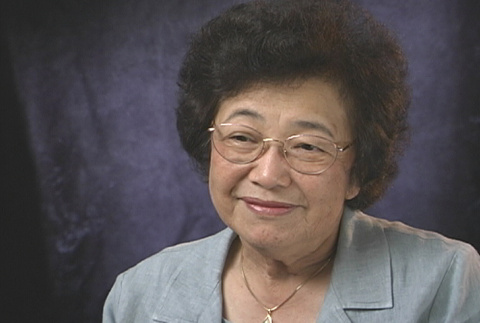
Marion Tsutakawa Kanemoto Interview Segment 28
(ddr-densho-1000-148-28)
Marion Tsutakawa Kanemoto Interview Segment 42
(ddr-densho-1000-148-42)
Marion Tsutakawa Kanemoto Interview Segment 23
(ddr-densho-1000-148-23)
Marion Tsutakawa Kanemoto Interview Segment 43
(ddr-densho-1000-148-43)
Marion Tsutakawa Kanemoto Interview Segment 27
(ddr-densho-1000-148-27)
Marion Tsutakawa Kanemoto Interview Segment 26
(ddr-densho-1000-148-26)
Marion Tsutakawa Kanemoto Interview Segment 22
(ddr-densho-1000-148-22)
Marion Tsutakawa Kanemoto Interview Segment 3
(ddr-densho-1000-148-3)
Marion Tsutakawa Kanemoto Interview Segment 7
(ddr-densho-1000-148-7)
Marion Tsutakawa Kanemoto Interview Segment 15
(ddr-densho-1000-148-15)
Marion Tsutakawa Kanemoto Interview Segment 19
(ddr-densho-1000-148-19)
Marion Tsutakawa Kanemoto Interview Segment 5
(ddr-densho-1000-148-5)
Marion Tsutakawa Kanemoto Interview Segment 33
(ddr-densho-1000-148-33)
Marion Tsutakawa Kanemoto Interview Segment 21
(ddr-densho-1000-148-21)
Marion Tsutakawa Kanemoto Interview Segment 34
(ddr-densho-1000-148-34)
Marion Tsutakawa Kanemoto Interview Segment 30
(ddr-densho-1000-148-30)
Marion Tsutakawa Kanemoto Interview Segment 32
(ddr-densho-1000-148-32)
Marion Tsutakawa Kanemoto Interview Segment 41
(ddr-densho-1000-148-41)
Marion Tsutakawa Kanemoto Interview Segment 45
(ddr-densho-1000-148-45)
Marion Tsutakawa Kanemoto Interview Segment 38
(ddr-densho-1000-148-38)
Marion Tsutakawa Kanemoto Interview Segment 18
(ddr-densho-1000-148-18)
Marion Tsutakawa Kanemoto Interview Segment 13
(ddr-densho-1000-148-13)
Marion Tsutakawa Kanemoto Interview Segment 11
(ddr-densho-1000-148-11)
Marion Tsutakawa Kanemoto Interview Segment 31
(ddr-densho-1000-148-31)
Marion Tsutakawa Kanemoto Interview Segment 4
(ddr-densho-1000-148-4)
«
←
302
303
304
305
306
307
308
309
310
311
→
»
10000 items
«
←
302
303
304
305
306
307
308
309
310
311
→
»
vh
Marion Tsutakawa Kanemoto Interview Segment 28 (ddr-densho-1000-148-28)
Receiving censored letters from father; feeling the uncertainty of future
https://ddr.densho.org/ddr-densho-1000-148-28/
vh
Marion Tsutakawa Kanemoto Interview Segment 42 (ddr-densho-1000-148-42)
Attending Doshisha University in Japan after the war; dealing with the scarcity of food
https://ddr.densho.org/ddr-densho-1000-148-42/
vh
Marion Tsutakawa Kanemoto Interview Segment 23 (ddr-densho-1000-148-23)
Dealing with the difficulties of living in the Puyallup Assembly Center, new responsibilities as the oldest child at age fourteen
https://ddr.densho.org/ddr-densho-1000-148-23/
vh
Marion Tsutakawa Kanemoto Interview Segment 43 (ddr-densho-1000-148-43)
Working for a U.S. army station hospital library; seizing an opportunity to return to the United States
https://ddr.densho.org/ddr-densho-1000-148-43/
vh
Marion Tsutakawa Kanemoto Interview Segment 27 (ddr-densho-1000-148-27)
https://ddr.densho.org/ddr-densho-1000-148-27/
vh
Marion Tsutakawa Kanemoto Interview Segment 26 (ddr-densho-1000-148-26)
Attending a makeshift high school in camp: "it was a very sparse situation"
https://ddr.densho.org/ddr-densho-1000-148-26/
vh
Marion Tsutakawa Kanemoto Interview Segment 22 (ddr-densho-1000-148-22)
https://ddr.densho.org/ddr-densho-1000-148-22/
vh
Marion Tsutakawa Kanemoto Interview Segment 3 (ddr-densho-1000-148-3)
Birthdate changed by mother due to Japanese customs
https://ddr.densho.org/ddr-densho-1000-148-3/
vh
Marion Tsutakawa Kanemoto Interview Segment 7 (ddr-densho-1000-148-7)
Living in Japan for fifteen months as a child
https://ddr.densho.org/ddr-densho-1000-148-7/
vh
Marion Tsutakawa Kanemoto Interview Segment 15 (ddr-densho-1000-148-15)
Little awareness of the war in Europe and Asia before the bombing of Pearl Harbor
https://ddr.densho.org/ddr-densho-1000-148-15/
vh
Marion Tsutakawa Kanemoto Interview Segment 19 (ddr-densho-1000-148-19)
Father sent to Department of Justice camp in Missoula, Montana
https://ddr.densho.org/ddr-densho-1000-148-19/
vh
Marion Tsutakawa Kanemoto Interview Segment 5 (ddr-densho-1000-148-5)
Explanation of names; speaking Japanese while growing up
https://ddr.densho.org/ddr-densho-1000-148-5/
vh
Marion Tsutakawa Kanemoto Interview Segment 33 (ddr-densho-1000-148-33)
Living in Japan during the war: leaving the family home and moving into a house built by father
https://ddr.densho.org/ddr-densho-1000-148-33/
vh
Marion Tsutakawa Kanemoto Interview Segment 21 (ddr-densho-1000-148-21)
Seeing a photo of father being picked up by FBI in local newspaper; coping with life without father
https://ddr.densho.org/ddr-densho-1000-148-21/
vh
Marion Tsutakawa Kanemoto Interview Segment 34 (ddr-densho-1000-148-34)
Attending high school in Japan, being singled out as an American
https://ddr.densho.org/ddr-densho-1000-148-34/
vh
Marion Tsutakawa Kanemoto Interview Segment 30 (ddr-densho-1000-148-30)
Leaving for Japan on the SS Gripsholm, part of the U.S. government-sponsored "exchange"
https://ddr.densho.org/ddr-densho-1000-148-30/
vh
Marion Tsutakawa Kanemoto Interview Segment 32 (ddr-densho-1000-148-32)
Living in father's family home in Japan during the war
https://ddr.densho.org/ddr-densho-1000-148-32/
vh
Marion Tsutakawa Kanemoto Interview Segment 41 (ddr-densho-1000-148-41)
Acting as an interpreter for the American occupation officers who came to the high school
https://ddr.densho.org/ddr-densho-1000-148-41/
vh
Marion Tsutakawa Kanemoto Interview Segment 45 (ddr-densho-1000-148-45)
Studying at St. Mary's teaching hospital; participating in social activities
https://ddr.densho.org/ddr-densho-1000-148-45/
vh
Marion Tsutakawa Kanemoto Interview Segment 38 (ddr-densho-1000-148-38)
Contracting a serious case of pleurisy, leaving school and working in a factory to help the war effort
https://ddr.densho.org/ddr-densho-1000-148-38/
vh
Marion Tsutakawa Kanemoto Interview Segment 18 (ddr-densho-1000-148-18)
Visiting father at the immigration office: he passes a clandestine message to mother
https://ddr.densho.org/ddr-densho-1000-148-18/
vh
Marion Tsutakawa Kanemoto Interview Segment 13 (ddr-densho-1000-148-13)
Description of the Pacific Market, father's business
https://ddr.densho.org/ddr-densho-1000-148-13/
vh
Marion Tsutakawa Kanemoto Interview Segment 11 (ddr-densho-1000-148-11)
Holiday celebrations, attending the Episcopal church
https://ddr.densho.org/ddr-densho-1000-148-11/
vh
Marion Tsutakawa Kanemoto Interview Segment 31 (ddr-densho-1000-148-31)
Stopping in Goa, India, to board the Japanese troop ship Teiya maru; memories of terrible food, Japanese language classes
https://ddr.densho.org/ddr-densho-1000-148-31/
vh
Marion Tsutakawa Kanemoto Interview Segment 4 (ddr-densho-1000-148-4)
Growing up in Seattle, Washington
https://ddr.densho.org/ddr-densho-1000-148-4/
«
←
302
303
304
305
306
307
308
309
310
311
→
»
API