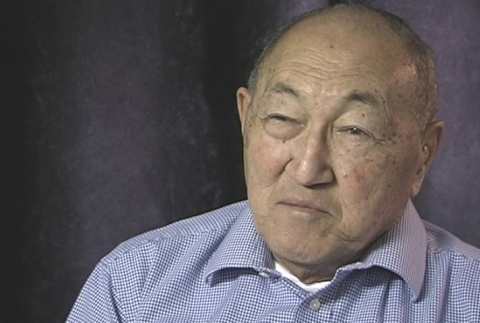
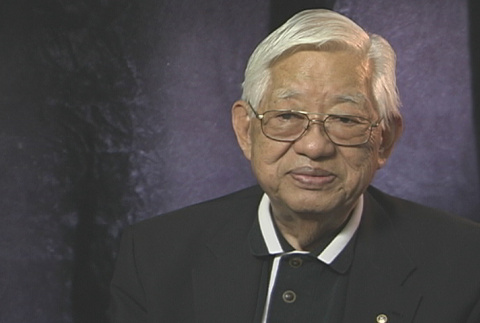
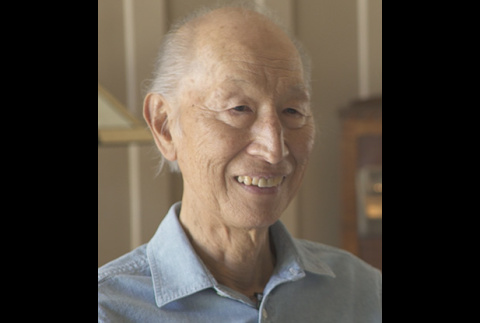
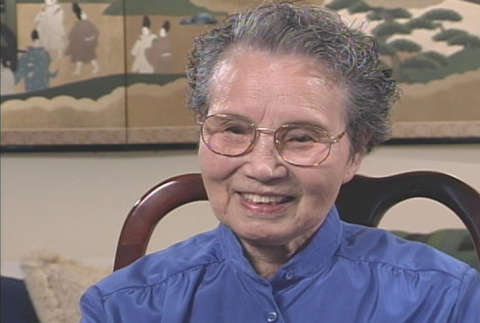
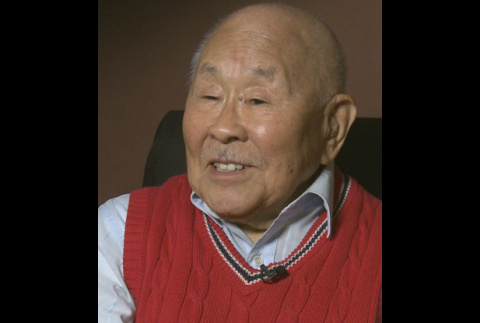
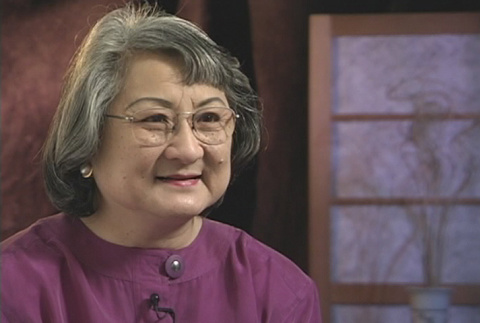
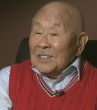
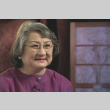
This interview was conducted as part of a project to capture stories of the Japanese American community of Spokane, Washington. Densho worked in collaboration with the Northwest Museum of Arts and Culture.
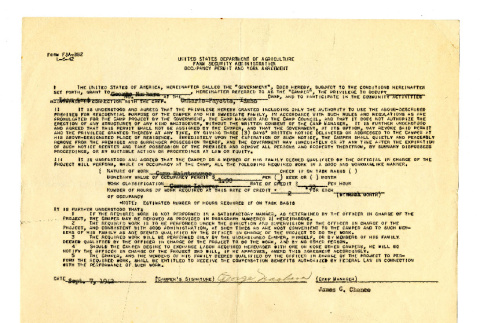
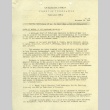
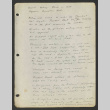
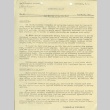
Form FSA-382, "Occupancy permit and work agreement," singed by George Nobuo Naohara on September 7, 1942. It grants to George the privilege to occupy a labor camp in Ontario-Payette, Idaho, and participate in community activities. See this object in the California State Universities Japanese American Digitization project site: nao_05_13_004
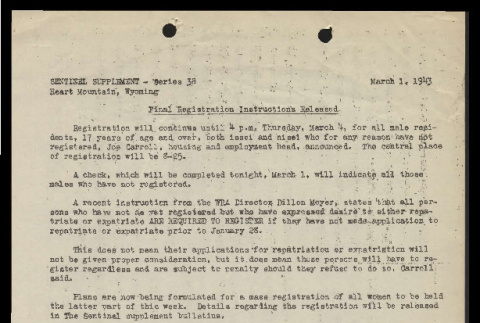
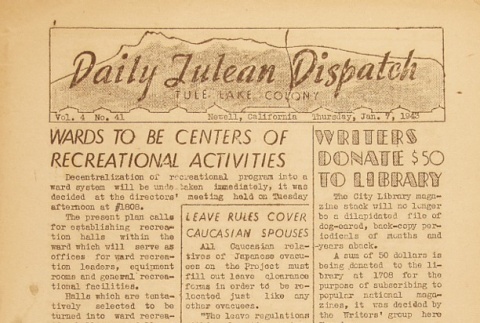
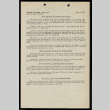
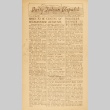
News bulletin for incarcerees covering announcements, events, programs, policies, recreational activities, and jobs at Heart Mountain incarceration camp. Current issue includes information on registration ("loyalty questionnaire"), temporary Community Council, tax returns, and shoe rations. Includes section in Japanese. See this object in the California State Universities Japanese American Digitization project site: sac_jaac_1035
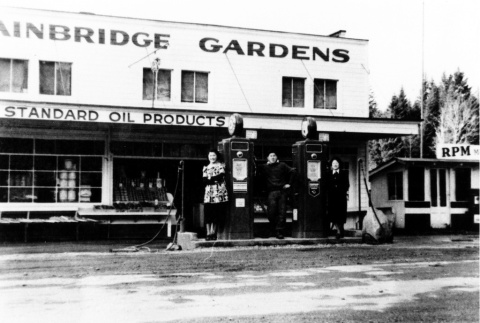
The collection of the Bainbridge Island Japanese American Community, 1890s-1940s, consists primarily of photographs of strawberry farms, businesses, sawmills, and the church and school activities of the Japanese American community on Bainbridge Island, Washington. The collection also includes photographs of the Bainbridge Island community of Port Blakely, the mass removal of Japanese Americans from Bainbridge Island, …
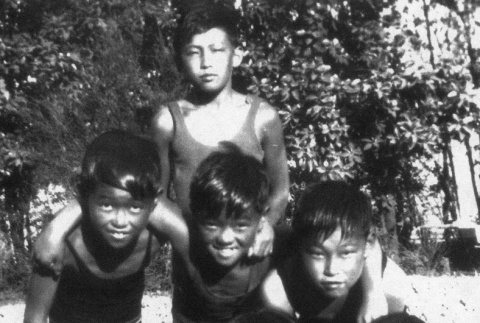
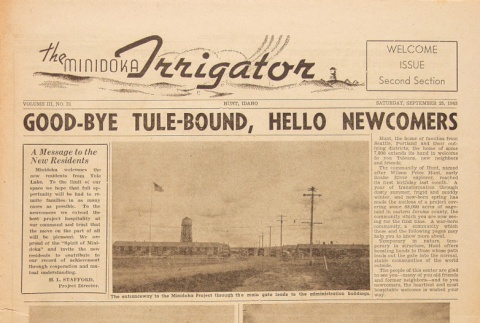
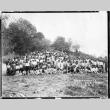
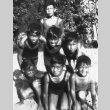
The Okawa collection, circa 1918-1940s, features photographs of picnics and other leisure activities of the Japanese American community before World War II. The concentration camp at Minidoka, Idaho, is also shown.
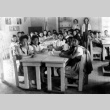
Activities at Puyallup Assembly Center: making signs
This interview was conducted as part of a project to capture stories of the Japanese American community of Spokane, Washington. Densho worked in collaboration with the Northwest Museum of Arts and Culture.
Born August 20, 1938, in Lima, Peru. Parents ran a laundry business and father was a prominent community leader. During World War II, the FBI arrested George's father and the entire family was placed on a ship and sent to the Department of Justice camp at Crystal City, Texas. After leaving camp, the family was not …
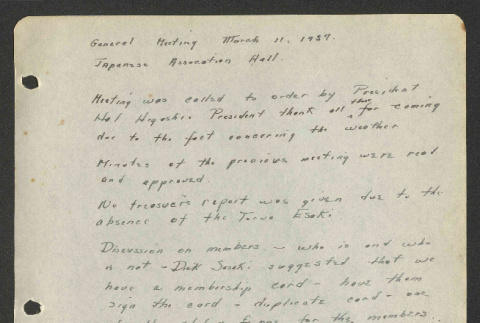
Meeting minutes of the Monterey Peninsula Japanese American Citizens League. Topics discussed include membership cards for keeping track of chapter members, and holding more social activities to generate interest in the JACL. President Higashi summarizes some of the goals of the chapter, which include gaining recognition from national headquarters, the first generation of Japanese immigrants in …
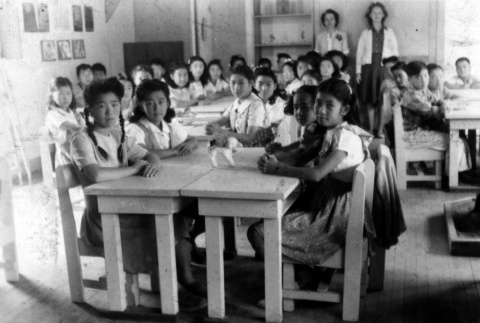
Daily activities in camp: lessons, USO, community store
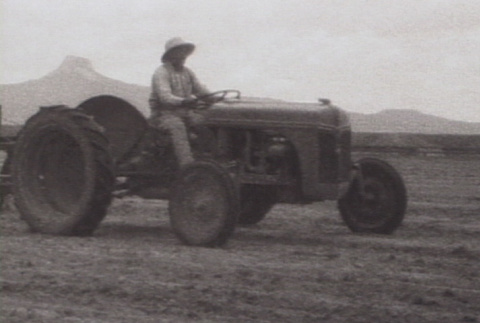
Eiichi Edward Sakauye shot footage of the Heart Mountain concentration camp, Wyoming, from 1943-1945, on 8 mm film. This interview is of Mr. Sakauye providing voice-over descriptions for his original footage.
Recreational activities in high school: dances, amusement parks, fishing
This interview was conducted as part of a project to capture stories of the Japanese American community of Spokane, Washington. Densho worked in collaboration with the Northwest Museum of Arts and Culture.
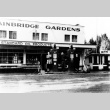
The Kumasaka collection, circa 1913-1930s, features the leisure and business activities of the Japanese American community of Green Lake, an area located in North Seattle. The Kumasaka family ran the Green Lake Gardens Company, a five-acre complex of greenhouses and farms. These photos were also used in the book, The Green Lake Japanese American Community, 1900-1942.
Before marriage, husband's involvement in community activities
During this interview, Mrs. Kurosu alternately speaks in both English and Japanese. As a result, the English translation of the transcript contains [Jpn.] and [Eng.], which indicate whether the original dialogue was spoken in Japanese or English.
The Tanagi collection, circa 1930s, features the leisure and business activities of the Japanese American community of Green Lake, an area located in North Seattle. Prior to World War II, the Tanagi family leased a farm on what is now a commercial shopping mall. These photos were also used in the book, The Green Lake Japanese …
Nisei male. Born December 7, 1914, in Livingston, California, where parents helped to establish a farming community called the Yamato Colony. Lost father at a young age, and moved to San Francisco, California, before World War II, and attended Berkeley. After the bombing of Pearl Harbor, was removed to the Tanforan Assembly Center, California, and the …
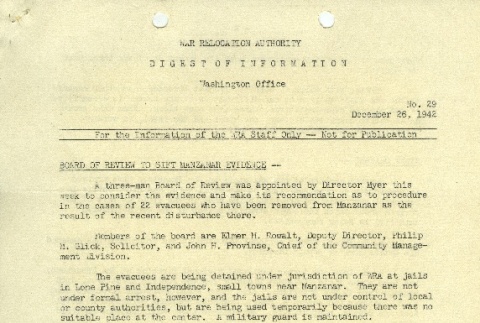
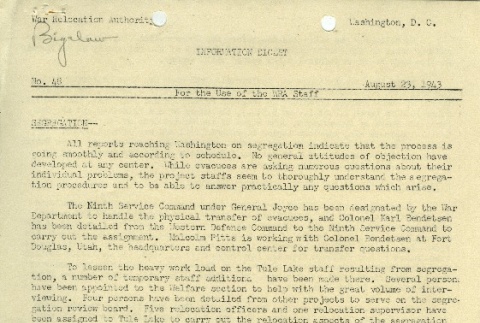
Section titles: "Segregation"; "Director Myer's Field Trip"; "Physicians and Nurses for Center Positions Interviewed"; "Progress on WRA Movie"; "Participation in Community Activities"; "Gila River Dehydration Plant in Operation"; "Field Reports Officers to be Appointed"; "New WRA Publications"; "Red Cross Drives"; "Personnel Changes"; Leave Clearances"; "Central Utah Relocation Program"; "Teacher Shortage a Prospect"; "Engraved School Diplomas Prohibited"; …
Nisei female. Born September 9, 1933, in Seattle, Washington. Parents operated a store in the Sanitary Market (now known as the Pike Place Market). Father was very active in kenjinkai (prefectural organization) activities, both before and after World War II. Spent prewar childhood in and among Seattle's Japanese American community. Incarcerated at the Puyallup Assembly Center, …
Sansei male. Born 1953 in Seabrook, New Jersey, where parents lived and worked following their incarceration experience during World War II. Grew up in Seabrook, participating in Japanese American community activities. Enrolled in the West Point military academy and spent military career in the armor corps, then became a deputy program executive for the army as …
The Uyeji collection includes the leisure and business activities of the Uyeji family, who operated a farm in North Seattle prior to World War II. These photographs were also used in the book, The Green Lake Japanese American Community, 1900-1942.
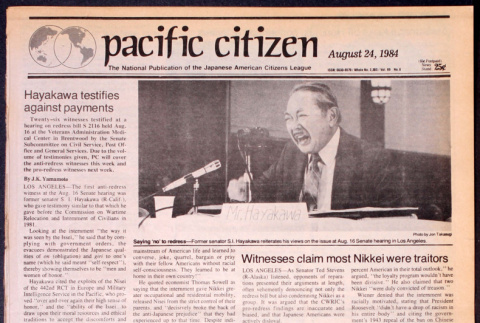
The Redress Activities collection is comprised of funddraising and outreach documents and correspondence with individuals, congressional leaders and community leaders concerning the issue of redress and reparations, and the establishment of the Commission on Wartime Relocation and Internment of Citizens (CWRIC).
Prewar community activities: picnics, theater, baseball
This interview was conducted by the Japanese American Museum of San Jose, and is part of a project entitled "Lasting Stories: The Resettlement of San Jose Japantown," a collaborative project between the Japanese American Museum of San Jose and Densho.
In this interview, Brent Sato and Joy Misako St. Germain interviewed Dr. Kyle Kinoshita to discuss Kinoshita's mother's, the late Cherry Kinoshita and Kyle Kinoshita's contributions to the JACL and the JA community. "Keep Your Eyes on the Prize," could well have been Cherry Kinoshita's mantra. She was the linchpin in the Seattle JACL and National …