
457 items


457 items
img
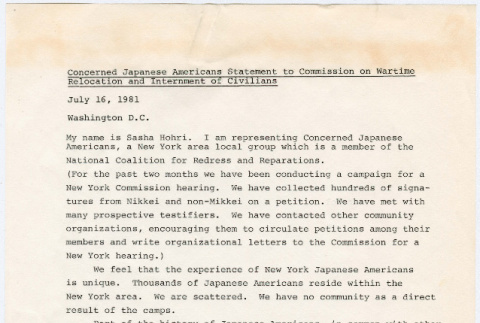
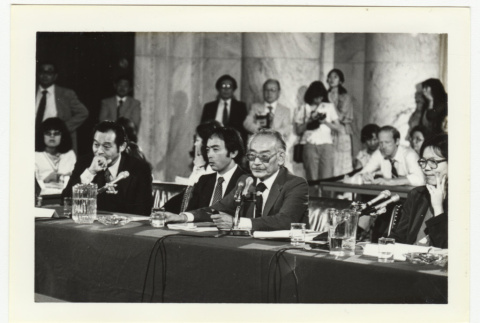
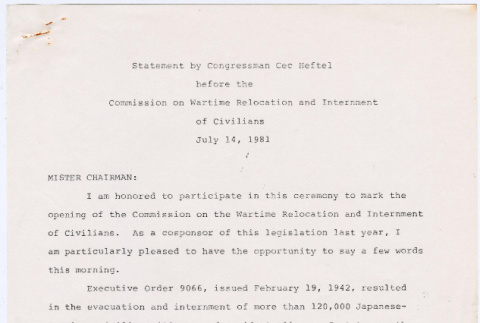
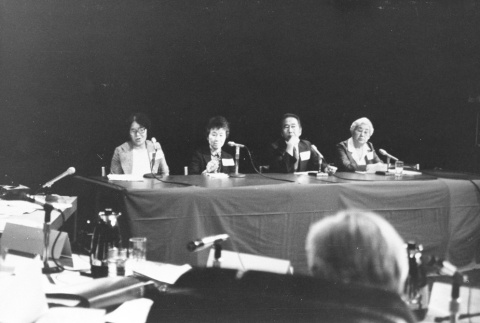
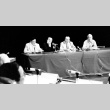
Redress hearings (ddr-densho-37-333)
The Commission on Wartime Relocation and Internment of Civilians (CWRIC) was created by an act of Congress on July 30, 1980. The committee was formed mainly to investigate matters surrounding the World War II internment of Japanese Americans and to recommend remedies. The CWRIC had no power to correct grievances. The hearings were conducted in twenty …
img
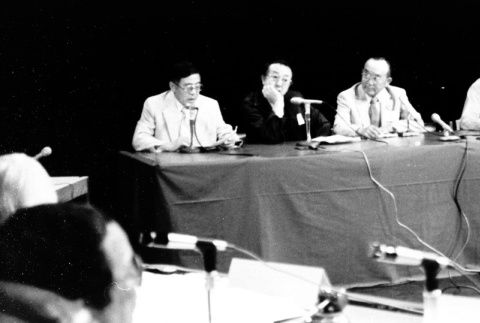
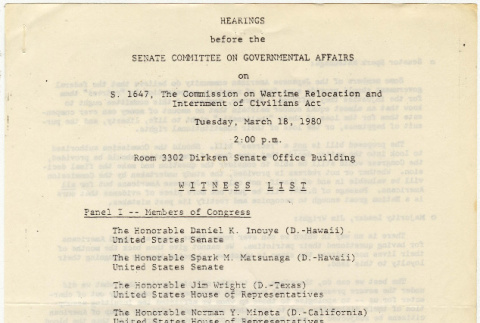
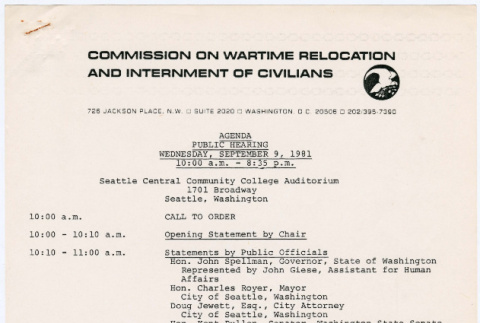
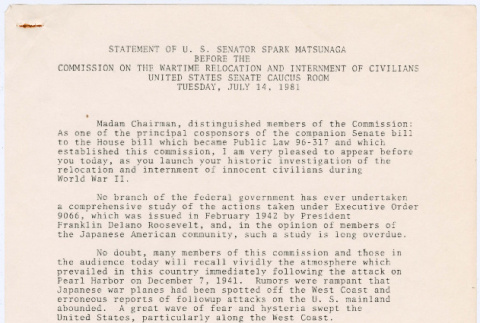
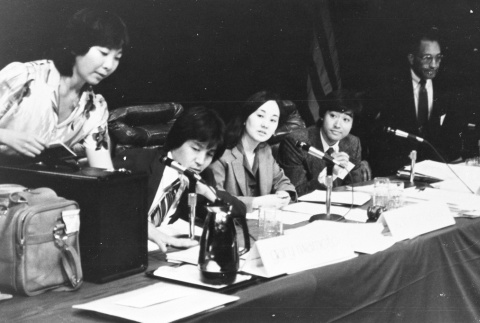
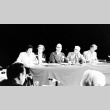
Redress hearings (ddr-densho-37-335)
The Commission on Wartime Relocation and Internment of Civilians (CWRIC) was created by an act of Congress on July 30, 1980. The committee was formed mainly to investigate matters surrounding the World War II internment of Japanese Americans and to recommend remedies. The CWRIC had no power to correct grievances. The hearings were conducted in twenty …
img
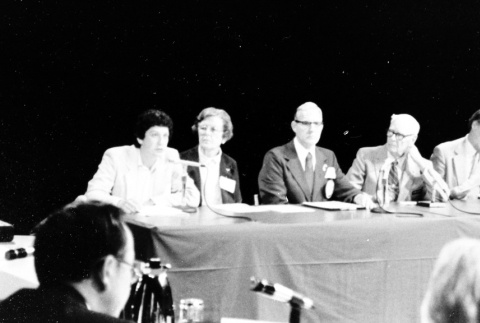
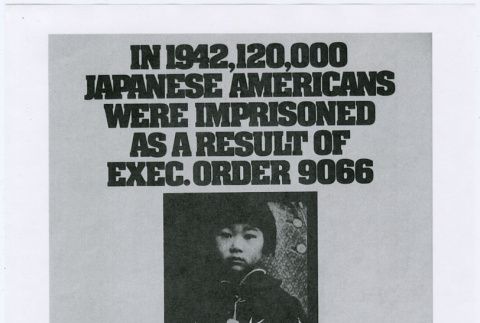
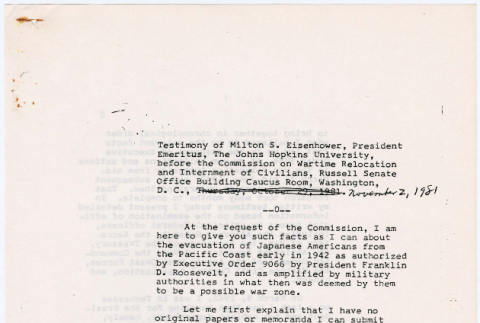
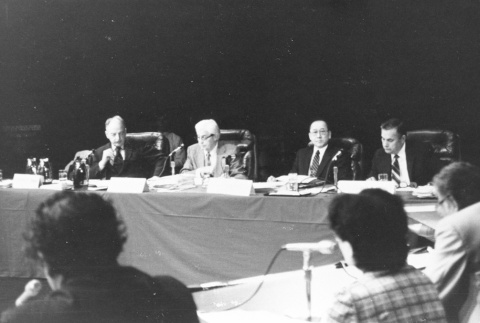
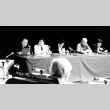
Redress hearings (ddr-densho-37-334)
The Commission on Wartime Relocation and Internment of Civilians (CWRIC) was created by an act of Congress on July 30, 1980. The committee was formed mainly to investigate matters surrounding the World War II internment of Japanese Americans and to recommend remedies. The CWRIC had no power to correct grievances. The hearings were conducted in twenty …
doc
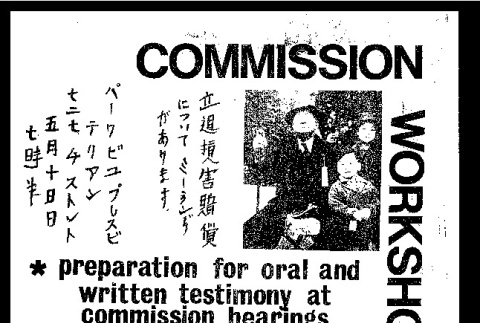
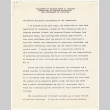
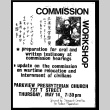
Commission workshop (ddr-csujad-55-101)
Flyer for a workshop on preparation of oral and written testimony for the Commission on Wartime Relocation and Internment of Civilians hearings. See this object in the California State Universities Japanese American Digitization project site: sac_jaac_0103
Collection
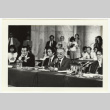
Paul Bannai Collection (ddr-densho-346)
The Paul Bannai Collection consists of a photograph album of documenting the Commission on Wartime Relocation and Internment of Civilians hearings. Images include meetings of the Seattle committee and scenes from the Seattle, Washington D.C., and Los Angeles hearings.
av
Harsh Canvas: Henry Sugimoto (ddr-densho-1024-89)
A 2001 biographical documentary film on the life and work of Issei artist Henry Sugimoto, based on the artist's memoirs and testimony before the Commission on Wartime Relocation and Internment of Civilians. The film highlights Sugimoto's art through archival and contemporary footage and follows his life's journey from immigration to his incarceration with his family during …

Collection
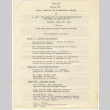
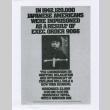
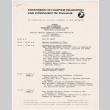
J. David Sakura Family Collection (ddr-densho-523)
The David Sakura Family collection consists of a photo album with photos of the Sakura family before incarceration and after relocation to Milwaukee, Wisconsin, material related to the J. David Sakura's work on the redress movement and the establishment of the Commission on Wartime Relocation and Internment of Civilians (CWRIC).
doc
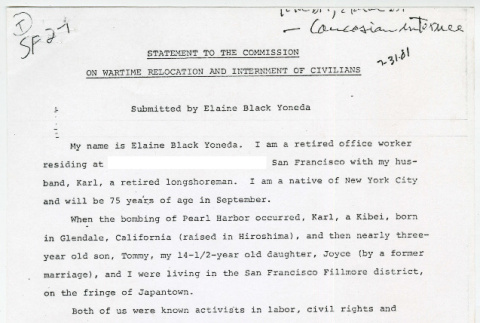
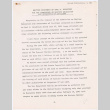
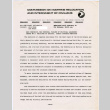
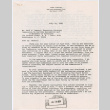
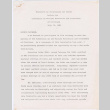
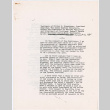
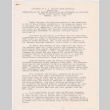
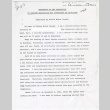
Statement to the Commission on Wartime Relocation and Internment of Civilians, written by Elaine Yoneda (ddr-densho-1007-892)
Elaine Yoneda was married to Karl Yoneda, an American-born Japanese man who was raised in Hiroshima. This statement describes their family's incarceration at the Manzanar camp.
img
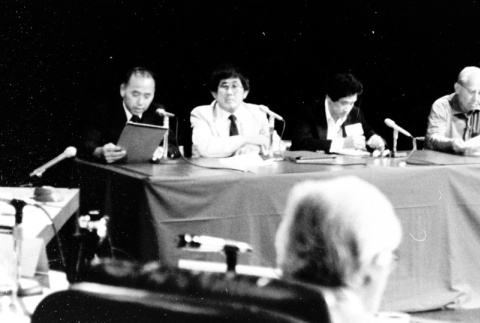
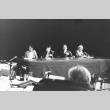
Redress hearings (ddr-densho-37-371)
The Commission on Wartime Relocation and Internment of Civilians (CWRIC) was created by an act of Congress on July 30, 1980. The committee was formed mainly to investigate matters surrounding the World War II incarceration of Japanese Americans and to recommend remedies. The CWRIC had no power to correct grievances. The hearings were conducted in twenty …
img
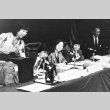
Redress hearings (ddr-densho-37-370)
The Commission on Wartime Relocation and Internment of Civilians (CWRIC) was created by an act of Congress on July 30, 1980. The committee was formed mainly to investigate matters surrounding the World War II incarceration of Japanese Americans and to recommend remedies. The CWRIC had no power to correct grievances. The hearings were conducted in twenty …
img
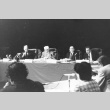
Redress hearings (ddr-densho-37-372)
The Commission on Wartime Relocation and Internment of Civilians (CWRIC) was created by an act of Congress on July 30, 1980. The committee was formed mainly to investigate matters surrounding the World War II incarceration of Japanese Americans and to recommend remedies. The CWRIC had no power to correct grievances. The hearings were conducted in twenty …