
Topics
Facilities
Format
Genre
Usage

Use <Ctrl> or (⌘) keys to select multiple terms

170 items
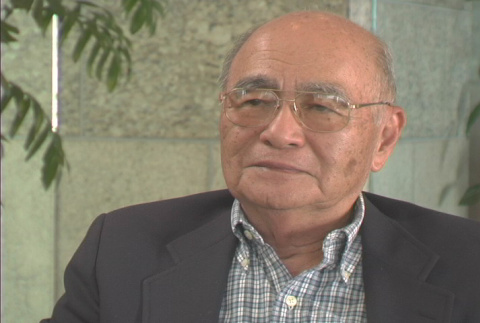
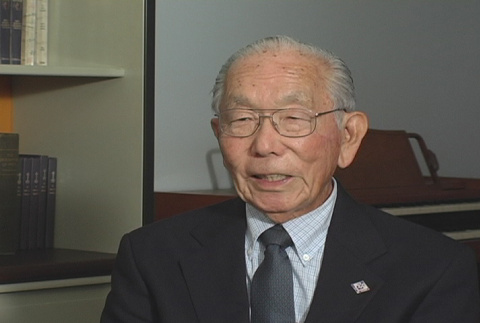
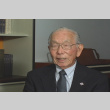
Richard Kosaki Interview (ddr-janm-13-1)
vh Richard Kosaki Interview (ddr-janm-13-1)
Nisei male. Born September 14, 1924, in Waikiki, Hawaii. Attended McKinley High School, where he was student body president, just prior to the bombing of Pearl Harbor in 1941. Served as a language instructor for the U.S. Military Intelligence Service during World War II, and was stationed in Japan during the U.S. occupation. Earned PhD in …
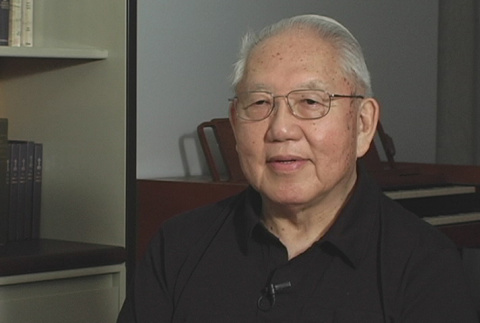
Robert A. Nakamura Interview (ddr-densho-1003-4)
vh Robert A. Nakamura Interview (ddr-densho-1003-4)
Nisei/Sansei male. Born July 5, 1936, in Venice, California. During World War II, removed to the Manzanar concentration camp, California. After leaving camp, lived for a time in Denver before returning to Los Angeles. After the war, became a pioneering filmmaker. Founder of Visual Communications, the oldest community-based media arts center in the United States. Along …
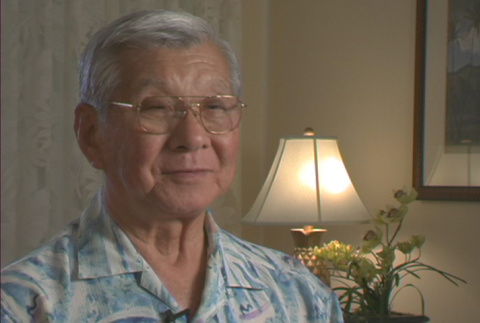
Wally Yonamine Interview (ddr-janm-13-2)
vh Wally Yonamine Interview (ddr-janm-13-2)
Nisei-han male. Born June 24, 1925, in Maui, Hawaii. Grew up in a small village on a sugar plantation. Played football in high school, transferring to Honolulu. Signed with the San Francisco 49ers in 1947, but ended football career with an injury. In 1951, signed with the Tokyo Yomiuri Giants, the first American to play in …
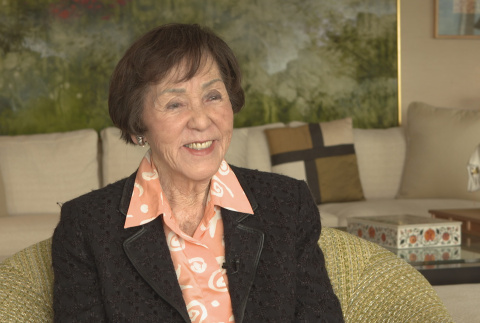
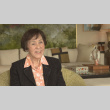
Sakaye Aratani Interview (ddr-densho-1000-442)
vh Sakaye Aratani Interview (ddr-densho-1000-442)
Nisei female. Born December 11, 1919, in Los Angeles, California. Grew up in Gardena, where parents ran a chicken farm. After the bombing of Pearl Harbor, moved temporarily to live with family in Reedley, California, then was removed to the Poston concentration camp, Arizona. While on a visit to a different camp, Sakaye met her future …
Ike Hatchimonji Interview (ddr-densho-1000-381)
vh Ike Hatchimonji Interview (ddr-densho-1000-381)
Nisei male. Born January 8, 1928, in El Centro, California. Grew up in various places while father established a seed business. During World War II, removed to the Pomona Assembly Center, California, and the Heart Mountain concentration camp, Wyoming. After leaving camp, served in the army in Korea. Established a career with the foreign service, working …
Sakaye Aratani Interview Segment 1 (ddr-densho-1000-442-1)
vh Sakaye Aratani Interview Segment 1 (ddr-densho-1000-442-1)
Family background: one of the earliest families to immigrate to the United States
Sakaye Aratani Interview Segment 5 (ddr-densho-1000-442-5)
vh Sakaye Aratani Interview Segment 5 (ddr-densho-1000-442-5)
Taking in friends from Terminal Island after they were forced to leave their homes
Sakaye Aratani Interview Segment 15 (ddr-densho-1000-442-15)
vh Sakaye Aratani Interview Segment 15 (ddr-densho-1000-442-15)
Description of George Aratani: "He was always so helpful and caring"
Sakaye Aratani Interview Segment 2 (ddr-densho-1000-442-2)
vh Sakaye Aratani Interview Segment 2 (ddr-densho-1000-442-2)
Memories of childhood: helping with a friend's family's florist business
Sakaye Aratani Interview Segment 3 (ddr-densho-1000-442-3)
vh Sakaye Aratani Interview Segment 3 (ddr-densho-1000-442-3)
Moving to Gardena, California, where family ran a nursery business
Sakaye Aratani Interview Segment 12 (ddr-densho-1000-442-12)
vh Sakaye Aratani Interview Segment 12 (ddr-densho-1000-442-12)
Returning to Los Angeles and buying a house while husband was overseas
Sakaye Aratani Interview Segment 4 (ddr-densho-1000-442-4)
vh Sakaye Aratani Interview Segment 4 (ddr-densho-1000-442-4)
Working on parents' chicken farm after graduating from high school
Sakaye Aratani Interview Segment 9 (ddr-densho-1000-442-9)
vh Sakaye Aratani Interview Segment 9 (ddr-densho-1000-442-9)
Moving to Minneapolis while husband served in the Military Intelligence Service
Ike Hatchimonji Interview Segment 14 (ddr-densho-1000-381-14)
vh Ike Hatchimonji Interview Segment 14 (ddr-densho-1000-381-14)
Thoughts on the so-called "loyalty questionnaire"

This material is based upon work assisted by a grant from the Department of the Interior, National Park Service. Any opinions, finding, and conclusions or recommendations expressed in this material are those of the author(s) and do not necessarily reflect the views of the Department of the Interior.

Ike Hatchimonji Interview Segment 15 (ddr-densho-1000-381-15)
vh Ike Hatchimonji Interview Segment 15 (ddr-densho-1000-381-15)
Leaving camp and moving to Glendale, Arizona

This material is based upon work assisted by a grant from the Department of the Interior, National Park Service. Any opinions, finding, and conclusions or recommendations expressed in this material are those of the author(s) and do not necessarily reflect the views of the Department of the Interior.

Ike Hatchimonji Interview Segment 4 (ddr-densho-1000-381-4)
vh Ike Hatchimonji Interview Segment 4 (ddr-densho-1000-381-4)
Attending elementary school

This material is based upon work assisted by a grant from the Department of the Interior, National Park Service. Any opinions, finding, and conclusions or recommendations expressed in this material are those of the author(s) and do not necessarily reflect the views of the Department of the Interior.

Ike Hatchimonji Interview Segment 21 (ddr-densho-1000-381-21)
vh Ike Hatchimonji Interview Segment 21 (ddr-densho-1000-381-21)
Thoughts on the redress movement

This material is based upon work assisted by a grant from the Department of the Interior, National Park Service. Any opinions, finding, and conclusions or recommendations expressed in this material are those of the author(s) and do not necessarily reflect the views of the Department of the Interior.

API