
10000 items
![Letter from children of Kihichi Sakamoto to Project Director [Raymond R. Best], February 14, 1944 (ddr-csujad-2-94)](https://ddr.densho.org/media/cache/39/5b/395b3bec16572cdc930d6b35f15686dd.jpg)
![Letters from Naoji, Miyuki, and Natsue Okine to Seiichi Okine, December 31, 1947 [in Japanese] (ddr-csujad-5-248)](https://ddr.densho.org/media/cache/3c/e0/3ce04d693b06a8afc14a82d210816c3e.jpg)
![Letters from Naoji, Miyuki, and Miyoko Okine to Mr. S. Okine, September 21, 1948 [in Japanese] (ddr-csujad-5-250)](https://ddr.densho.org/media/cache/c2/a0/c2a0b840d523c294ec13165fcffe870a.jpg)
![Letters from Megumi Sasaki, Naoji Okine, Miyuki Okine to Seiichi and Tomeyo Okine, April, 1948 [in Japanese] (ddr-csujad-5-243)](https://ddr.densho.org/media/cache/e4/ec/e4ecba44af2ce2d2dcaffb93d3f1da58.jpg)
10000 items
av
Chizu Kawakami oral history interview (ddr-csujad-31-18)
Oral history of Chizu Kawakami, a resident of San Fernando Valley, was recorded as part of Asian American Studies 390 course work at California State University, Northridge. See this object in the California State Universities Japanese American Digitization project site: JSFVOH_01-07
doc
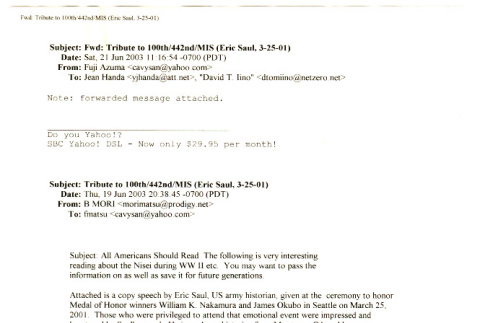
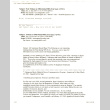
Text of speech given by Eric Saul, US army historian (ddr-densho-368-454)
Given at ceremony to honor Medal of Honor winners William K. Nakamura and James Okubo - Page 1
doc
Chapter 11 personality cards (ddr-csujad-26-36)
Journal entries written by high school students discussing their observations and perspectives on a variety of topic including a fundraising carnival, yearbooks, class subjects and discussions, sports, homework, books, and teachers. Each entry includes the full date and student name. The entries were collected as part of a class assignment and used for the Japanese American …
doc
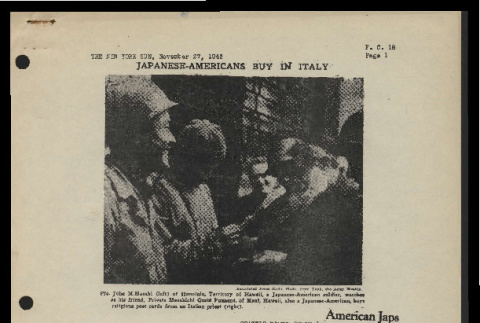
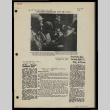
News clippings regarding the incarceration of Japanese Americans, F.C. 18, November-December, 1943 (ddr-csujad-55-760)
Collection of newspaper clippings covering Japanese Americans during World War II. Topics include incarceration camps, Japanese American soldiers, race, prejudice, work, and other commentary. See this object in the California State Universities Japanese American Digitization project site: sac_jaac_0762
![Letter from children of Kihichi Sakamoto to Project Director [Raymond R. Best], February 14, 1944 (ddr-csujad-2-94)](https://ddr.densho.org/media/cache/9a/f9/9af90a594dee154550bf2fc588596ebe.jpg)
doc
Letter from children of Kihichi Sakamoto to Project Director [Raymond R. Best], February 14, 1944 (ddr-csujad-2-94)
Letter from three of his children, Tatsuo, Manabu, and Osamu Sakamoto, requests the release of their father, Kihichi Sakamoto, from the Army Stockade, for the sake of their mother's "health and mind" stating that she has been ill since their stay in Heart Mountain the previous year and has suffered a relapse upon her husband's imprisonment …
![Letters from Naoji, Miyuki, and Natsue Okine to Seiichi Okine, December 31, 1947 [in Japanese] (ddr-csujad-5-248)](https://ddr.densho.org/media/cache/62/7f/627f854a432b11047d74099a54dcc924.jpg)
doc
Letters from Naoji, Miyuki, and Natsue Okine to Seiichi Okine, December 31, 1947 [in Japanese] (ddr-csujad-5-248)
Contains three letters and one envelope. The letters are written by Naoji, Miyuki, and Natsue Okine in Hiroshima, Japan and enclosed into one envelope. See this object in the California State Universities Japanese American Digitization project site: oki_02_79_001-004
![Letters from Naoji, Miyuki, and Miyoko Okine to Mr. S. Okine, September 21, 1948 [in Japanese] (ddr-csujad-5-250)](https://ddr.densho.org/media/cache/b9/f0/b9f0f83a854c41980aa7d5453e71d1f9.jpg)
doc
Letters from Naoji, Miyuki, and Miyoko Okine to Mr. S. Okine, September 21, 1948 [in Japanese] (ddr-csujad-5-250)
Contains three letters written from the Okine's in Japan to Mr. Seiichi Okine along with an envelope. The three letters are written by Naoji Okine, Miyuki Okine, and Miyoko Okine respectively, and enclosed in the same envelope. See this object in the California State Universities Japanese American Digitization project site: oki_02_81_001-004
![Letters from Megumi Sasaki, Naoji Okine, Miyuki Okine to Seiichi and Tomeyo Okine, April, 1948 [in Japanese] (ddr-csujad-5-243)](https://ddr.densho.org/media/cache/84/70/8470c19efe9727efd3dae7646bbdc0e1.jpg)
doc
Letters from Megumi Sasaki, Naoji Okine, Miyuki Okine to Seiichi and Tomeyo Okine, April, 1948 [in Japanese] (ddr-csujad-5-243)
Contains three letters to Seiichi and Tomeyo Okine from his relatives in Hiroshima Japan and one envelope. The letters are written by Megumi Sasaki, Naoji Okine, and Miyuki Okine and enclosed in the same envelope. See this object in the California State Universities Japanese American Digitization project site: oki_02_74_001-004
doc
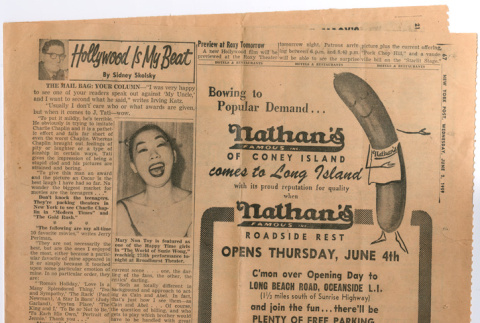
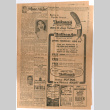
Clipping with mention and photo of Mary Mon Toy (ddr-densho-367-222)
From Hollywood is my Beat by Sidney Skolsky in the New York Post
doc
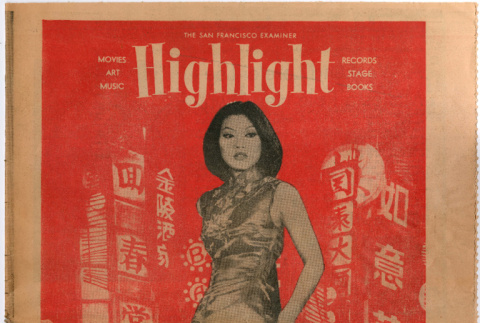
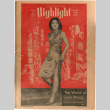
Clipping from San Francisco Examiner Sunday magazine Highlight with review of The World of Suzie Wong (ddr-densho-367-263)
Article: The Honky Tonk Girl of Hong Kong
doc
Series of Memos and instructions regarding relocation grants (ddr-densho-356-895)
Series of memos and instructions regarding Administrative Instruction 45, assistance to evacuees granted indefinite leave for the purpose of accepting employment. Includes guidance on how to determine who gets assistance, how much assistance can be provided, and inclusion of family members of active duty military personnel.
doc
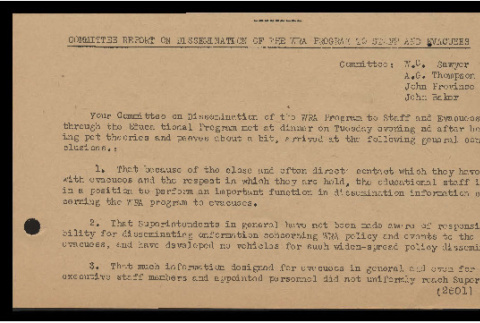
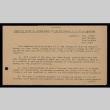
Committee report on dissemination of the WRA program to staff and evacuees (ddr-csujad-55-1726)
Report and recommendations on the dissemination of the WRA program to staff and incarcerees. See this object in the California State Universities Japanese American Digitization project site: sac_jaac_1728
doc
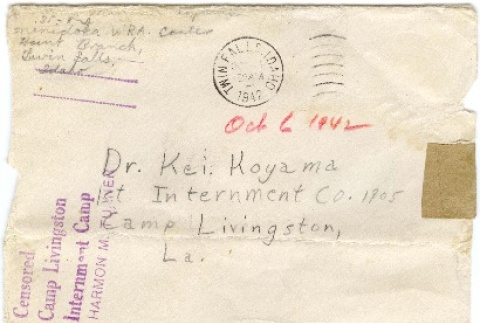
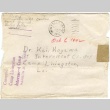
Envelope and Birthday Card to Dr. Keizaburo "Kei" Koyama (ddr-one-5-36)
Envelope addressed to Dr. Kei Koyama at Camp Livingston. Return sender name is not visible, but the Block number is the same as the Koyama Family; addressed as Minidoka WRA Center. Postmarked October 1, 1942. In red pencil “Oct 6 1942” is written below the postmark. On the left side of the envelope is a purple …
doc
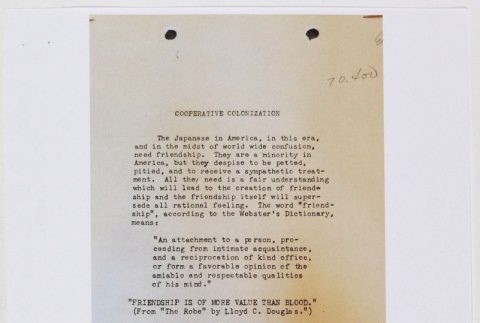
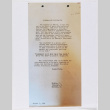
Cooperative Colonization Plan (ddr-densho-379-746)
Chimata Sumida, T. Takasugi, and S. Muraoka authored a resettlement plan for Japanese American incarcerees entitled "Cooperative Colonization". This plan called for a large scale resettlement of Japanese Americans on 100,000 acres of farm land with help from the government in order to purchase farm equipment and other needed items. This plan was discussed by government …
doc
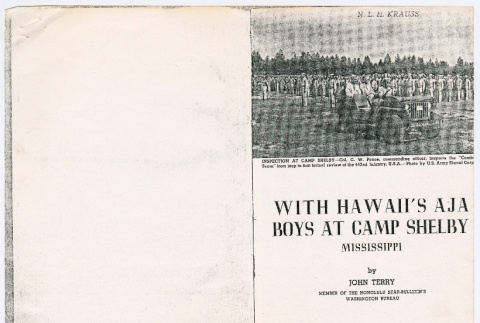
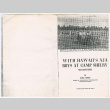
Booklet: With Hawaii's AJA Boys at Camp Shelby Mississippi (ddr-densho-1007-1849)
Pamphlet describing the training of the 442nd Infantry Combat Team at Camp Shelby, Mississippi.
doc
Memos, notes and blank form regarding visiting other camps (ddr-densho-356-884)
Blank Visitor's pass, Memo regarding visits from military personal to camps to see family, handwritten notes regarding process of visitations, and memo regarding travel between centers.
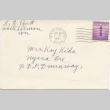
doc
Letter from Dan and Sarah Mosier to George Kida and parents (ddr-one-3-48)
Envelope addressed to George Kida in Nyssa, Oregon. Letter from Dan and Sarah Mosier to George Kida and his parents, Kenjiro and Kay, dated June 20, 1943. Says it has been about 18 months since they have heard from the Kida family. Asks if they were allowed to return to their ranch but notes that their …
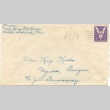
doc
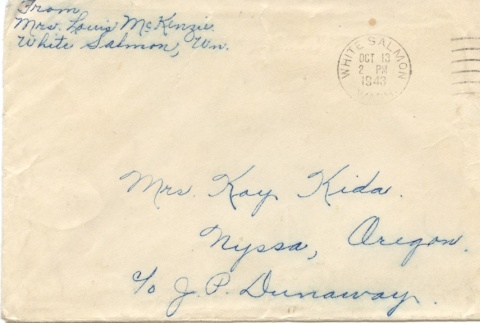
Letter from Louis and Lee McKenzie (ddr-one-3-50)
Envelope addressed to Miyuki "Kay" Kida in Nyssa, Oregon. Letter from Louis and Lee McKenzie to Kida family dated October 11, 1943. She and her husband had gone to visit the Kidas in Oregon. They describe their trip back to White Salmon and thank the Kida family for all their hospitality. Asks if George wants to …
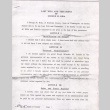
doc
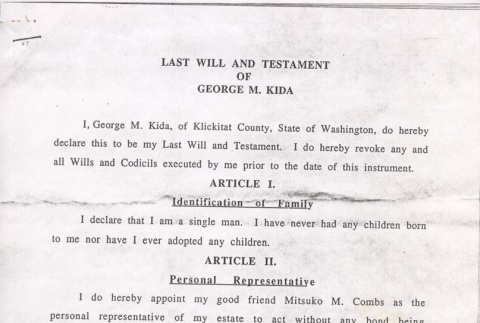
George Kida last will and testament (ddr-one-3-104)
Photocopy of George Kida's last will and testament, dated June 3, 1998.
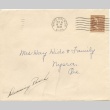
doc
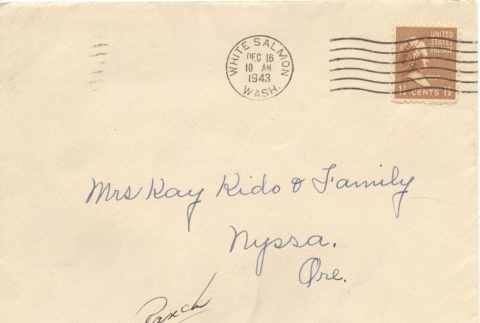
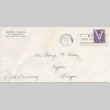
Chirstmas card from Guy and Ethel Crow to Kida family (ddr-one-3-117)
Christmas card from Guy and Ethel Crow to the Kida family postmarked Dec 16, 1943. Envelope is addressed to Mrs. Kay Kido and Family in Nyssa, Oregon
doc
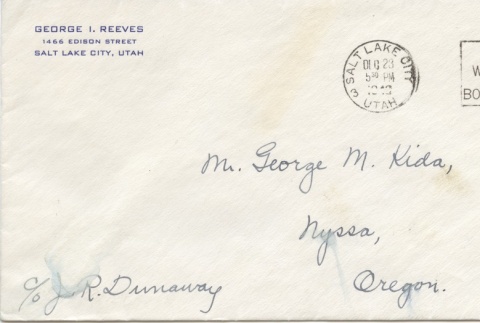
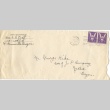
Letters from Reeves family to Kida family (ddr-one-3-61)
Two letters dated December 22, 1943, one from Miriam Reeves to Miyuki "Kay" Kida, the other from George Reeves to the Kida family. The letter from Miriam Reeves describes her new hobby of knitting. Mentions that she had just finished knitting a suit for a Japanese American girl who was an evacuee from Los Angeles but …
doc
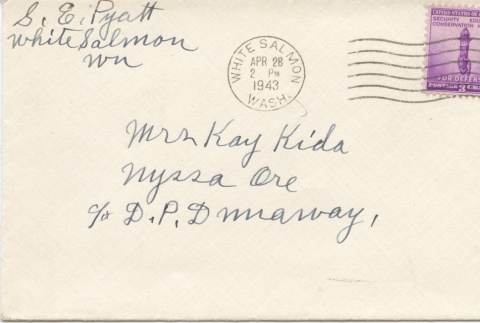
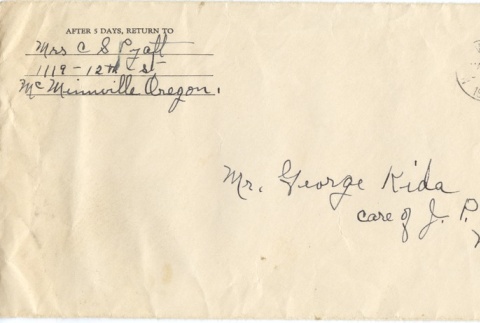
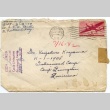
Letter from Charlie and Flora Pyatt to George Kida (ddr-one-3-41)
Envelope addressed to George Kida in Nyssa, Oregon. Letter from Charlie and Flora Pyatt, addressed to George, Kay, and Kida (meaning Kenjiro) dated March 28, 1943. Mentions that they hope that Sarah "Sade" Pyatt lives long enough for the Kidas to come back so that she can go back home. Says that it would have been …
doc
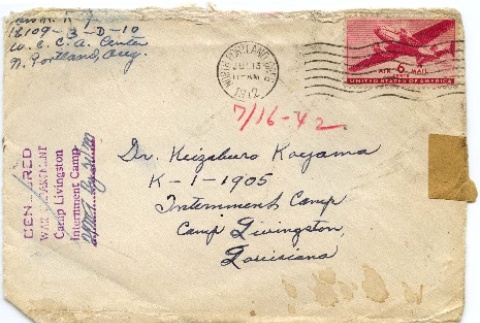
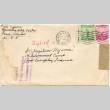
Envelope and letter to Dr. Keizaburo "Kei" Koyama from Teru Koyama and Eva Koyama (ddr-one-5-19)
Yellowed envelope addressed to Dr. Keizaburo Koyama in Camp Livingston from his wife, Teru Koyama, in the Portland Assembly Center. The envelope is postmarked Jul 13, 1942. In red pencil “7/16-42” is written just below the postmark. On the left side of the envelope is a purple "CENSORED" stamp with unknown initials below the stamp in …
doc
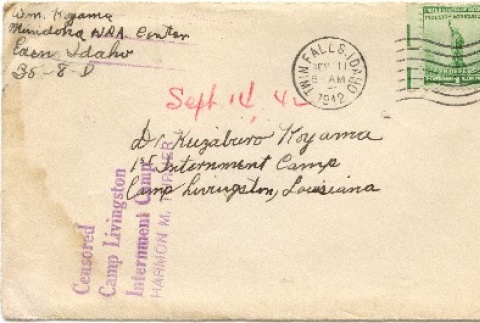
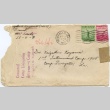
Envelope and letters to Dr. Keizaburo "Kei" Koyama from Miriam Kiyo Koyama and William Koyama (ddr-one-5-28)
Envelope addressed to Dr. Keizaburo Koyama at Camp Livingston from his children, William Koyama and Miriam Kiyo Koyama, at Minidoka. Postmarked Sep 11, 1942. To the left of the postmark “Sept 14, 42” is written in red pencil. On the left side of the envelope is a purple "Censored" stamp. Inside the envelope are two letters, …
doc
Envelope and letters to Dr. Keizaburo "Kei" Koyama from Teru and Eva Koyama (ddr-one-5-33)
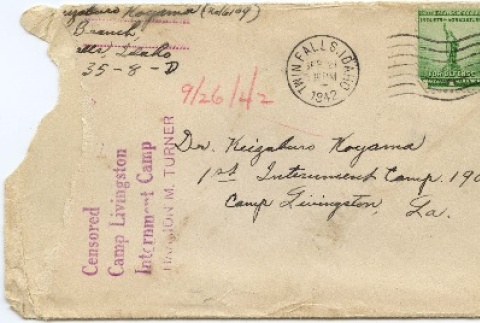
Envelope addressed to Dr. Keizaburo Koyama at Camp Livingston from his wife, Teru Koyama, and daughter, Eva Koyama. Postmarked Sep 21, 1942. To the left of the postmark is “9/26/42” written in red pencil. On the left side of the envelope is a purple "Censored" stamp. The left edge of the envelope is torn so that …