
1069 items
1069 items
vh
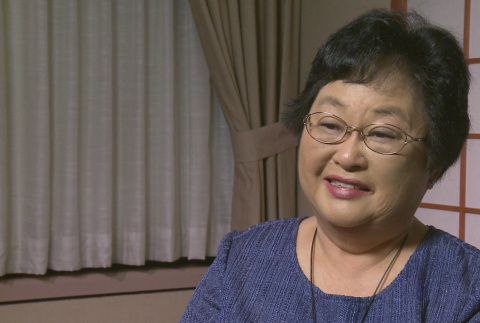
June M. Hoshida Honma Interview Segment 14 (ddr-densho-1000-256-14)
Returning to school: "I was 'haolified'"
vh
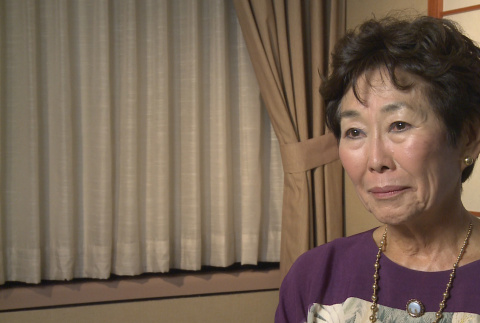
Chizuko Judy Sugita de Quieiroz Interview Segment 6 (ddr-densho-1000-252-6)
Realization that Japanese Americans were singled out for incarceration because of race
vh
Chizuko Judy Sugita de Quieiroz Interview Segment 4 (ddr-densho-1000-252-4)
Too young to remember hearing about the bombing of Pearl Harbor
vh
Chizuko Judy Sugita de Quieiroz Interview Segment 7 (ddr-densho-1000-252-7)
Turning to reading and art in camp
vh
Chizuko Judy Sugita de Quieiroz Interview Segment 1 (ddr-densho-1000-252-1)
Parents' family background
vh
Chizuko Judy Sugita de Quieiroz Interview Segment 15 (ddr-densho-1000-252-15)
Exhibiting art in Hiroshima, Japan
vh
Chizuko Judy Sugita de Quieiroz Interview Segment 9 (ddr-densho-1000-252-9)
Leaving camp and living in a hostel until parents could reestablish business
vh
Chizuko Judy Sugita de Quieiroz Interview Segment 5 (ddr-densho-1000-252-5)
Home ransacked by the FBI
vh
Chizuko Judy Sugita de Quieiroz Interview Segment 11 (ddr-densho-1000-252-11)
Teaching art in the public schools, fighting to avoid funding cuts
vh
Chizuko Judy Sugita de Quieiroz Interview Segment 12 (ddr-densho-1000-252-12)
Teaching, raising children, and doing art
vh
Chizuko Judy Sugita de Quieiroz Interview Segment 8 (ddr-densho-1000-252-8)
Growing up and maturing as a result of camp
vh
Chizuko Judy Sugita de Quieiroz Interview Segment 13 (ddr-densho-1000-252-13)
Retiring from teaching and pursuing art full-time
vh
Chizuko Judy Sugita de Quieiroz Interview Segment 3 (ddr-densho-1000-252-3)
Attending school, beginnings of ethnic identity
vh
Chizuko Judy Sugita de Quieiroz Interview Segment 10 (ddr-densho-1000-252-10)
Impact of incarceration on ethnic identity
vh
Chizuko Judy Sugita de Quieiroz Interview Segment 2 (ddr-densho-1000-252-2)
Memories of family home on Jersey Island
vh
Chizuko Judy Sugita de Quieiroz Interview Segment 14 (ddr-densho-1000-252-14)
Completing a series of paintings based on World War II camp experience

vh
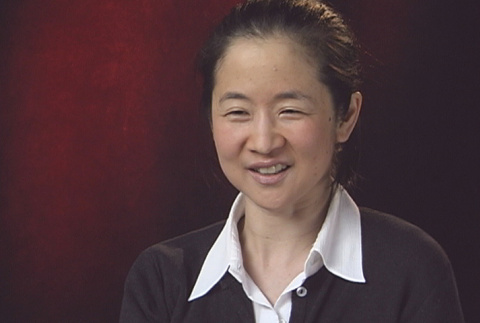
Julie Otsuka Interview Segment 2 (ddr-densho-1000-176-2)
Father's family background: immigration to the U.S. in the 1950s
vh
Julie Otsuka Interview Segment 13 (ddr-densho-1000-176-13)
Recovering from giving up painting; beginning to write: "I felt like I had nothing to lose"
vh
Julie Otsuka Interview Segment 18 (ddr-densho-1000-176-18)
Trying to find the balance between history and storytelling
vh
Julie Otsuka Interview Segment 12 (ddr-densho-1000-176-12)
Giving up painting and doing temp work in New York
vh
Julie Otsuka Interview Segment 19 (ddr-densho-1000-176-19)
Japanese American community reactions to novel; use in schools
vh
Julie Otsuka Interview Segment 10 (ddr-densho-1000-176-10)
Parents' non-reaction to decision to study art: "they've always been very hands-off"