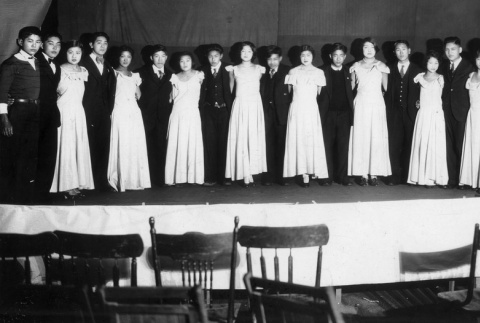
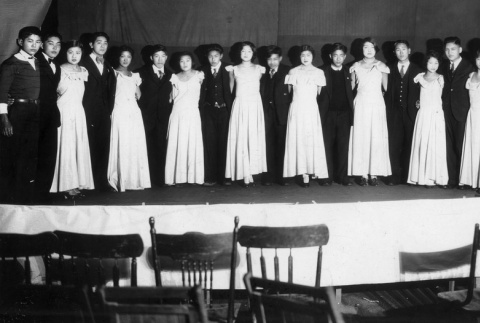
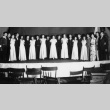
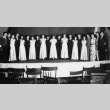
Members of the Green Lake Seinenkai (young people's club), a social club primarily for Nisei in their teens and twenties. This club organized athletic, cultural, and social activities such as formal dances (pictured here). (L to R): Tak Nakawatase, Shuichi Abe, Toshiko Fukano, Naoshi Kumagai, Minnie Ota, Kiyoshi Tada, May Kumasaka, Nobi Yamada, Ko Suzuki, Sumio …
Members of the Green Lake Seinenkai (young people's club), a social club primarily for Nisei in their teens and twenties. This club organized athletic, cultural, and social activities such as formal dances (pictured here). (L to R): Tak Nakawatase, Shuichi Abe, Toshiko Fukano, Naoshi Kumagai, Minnie Ota, Kiyoshi Tada, May Kumasaka, Nobi Yamada, Ko Suzuki, Sumio …
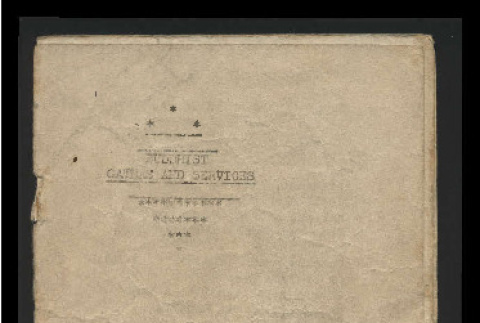
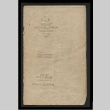
List and lyrics for Buddhist gathas used at Tule Lake incarceration camp. Includes lyrics for Buddhist gathas (verses), Happy Little Children, Hour of Meditation, Juni-Rai, Kokun, Three Treasure, How Glorious is Thy Dhamma, Softly Blew the Breezes, Nichiyo Bi, and Kiyoki Madoi. Signed by Setsuko Abe. See this object in the California State Universities Japanese American …
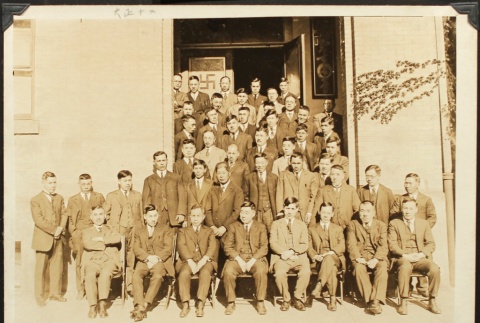
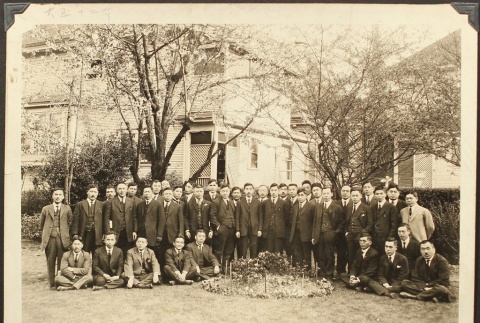
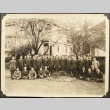
Caption by Homer Yasui: "Group of 39-40 well dressed Issei men standing on a lawn from the appearance of the men, I will guess that these were Nipponjin Kai members."
Meeting with Minoru Yasui and telling him about resistance decision
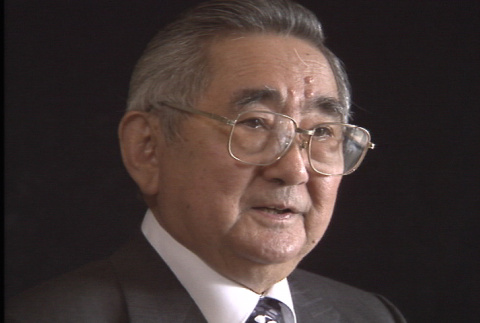
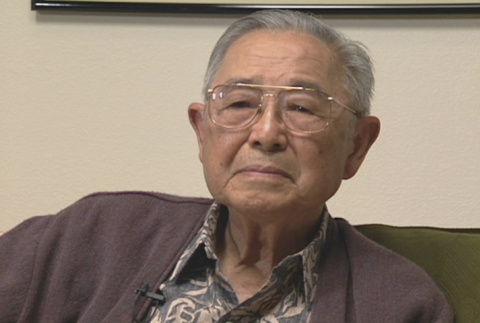
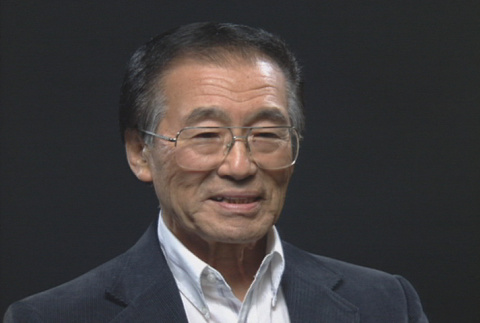
This interview was conducted by filmmaker Frank Abe for his 2000 documentary, Conscience and the Constitution, about the World War II resisters of conscience at the Heart Mountain incarceration camp. As a result, the interviews in this collection are typically not life histories, instead primarily …
Mother's suicide as a result of ostracism from Japanese American community postwar
This interview was conducted by filmmaker Frank Abe for his 2000 documentary, Conscience and the Constitution, about the World War II resisters of conscience at the Heart Mountain incarceration camp. As a result, the interviews in this collection are typically not life histories, …
Thoughts on members of Heart Mountain's Fair Play Committee
This interview was conducted by filmmaker Frank Abe for his 2000 documentary, Conscience and the Constitution, about the World War II resisters of conscience at the Heart Mountain incarceration camp. As a result, the interviews in this collection are typically not life histories, instead primarily focusing …
Memories of Minidoka concentration camp, Idaho, and meeting Minoru Yasui
This interview was conducted by filmmaker Frank Abe for his 2000 documentary, Conscience and the Constitution, about the World War II resisters of conscience at the Heart Mountain incarceration camp. As a result, the interviews in this collection are typically not life histories, instead primarily …
This interview was conducted by filmmaker Frank Abe for his 2000 documentary, Conscience and the Constitution, about the World War II resisters of conscience at the Heart Mountain incarceration camp. As a result, the interviews in this collection are typically not life histories, instead primarily focusing on issues surrounding the resistance movement …
Thoughts on arrest and FBI's "dangerous" classification
This interview was conducted by filmmaker Frank Abe for his 2000 documentary, Conscience and the Constitution, about the World War II resisters of conscience at the Heart Mountain incarceration camp. As a result, the interviews in this collection are typically not life histories, instead primarily focusing on issues …
Thoughts on what would have happened had Japanese Americans resisted mass removal
This interview was conducted by filmmaker Frank Abe for his 2000 documentary, Conscience and the Constitution, about the World War II resisters of conscience at the Heart Mountain incarceration camp. As a result, the interviews in this collection are typically not life histories, …
Discussion of the bulletins issues by the Fair Play Committee and "the one line that got us indicted"
This interview was conducted by filmmaker Frank Abe for his 2000 documentary, Conscience and the Constitution, about the World War II resisters of conscience at the Heart Mountain incarceration camp. As a result, the interviews in this …
Long-term affects of wartime resistance; reaction of community members
This interview was conducted by filmmaker Frank Abe for his 2000 documentary, Conscience and the Constitution, about the World War II resisters of conscience at the Heart Mountain incarceration camp. As a result, the interviews in this collection are typically not life histories, instead primarily focusing …
This interview was conducted by filmmaker Frank Abe for his 2000 documentary, Conscience and the Constitution, about the World War II resisters of conscience at the Heart Mountain incarceration camp. As a result, the interviews in this collection are typically not life histories, instead primarily focusing on issues surrounding the …
This interview was conducted by filmmaker Frank Abe for his 2000 documentary, Conscience and the Constitution, about the World War II resisters of conscience at the Heart Mountain incarceration camp. As a result, the interviews in this collection are typically not life histories, instead primarily focusing on issues surrounding …
This interview was conducted by filmmaker Frank Abe for his 2000 documentary, Conscience and the Constitution, about the World War II resisters of conscience at the Heart Mountain incarceration camp. As a result, the interviews in this collection are typically not life histories, instead primarily focusing on issues surrounding …
Receiving the silent treatment from the Japanese American community postwar
This interview was conducted by filmmaker Frank Abe for his 2000 documentary, Conscience and the Constitution, about the World War II resisters of conscience at the Heart Mountain incarceration camp. As a result, the interviews in this collection are typically not life histories, instead primarily …
This interview was conducted by filmmaker Frank Abe for his 2000 documentary, Conscience and the Constitution, about the World War II resisters of conscience at the Heart Mountain incarceration camp. As a result, the interviews in this collection are typically not life histories, instead primarily focusing on issues surrounding the …
Younger brother's experience also as a draft resister
This interview was conducted by filmmaker Frank Abe for his 2000 documentary, Conscience and the Constitution, about the World War II resisters of conscience at the Heart Mountain incarceration camp. As a result, the interviews in this collection are typically not life histories, instead primarily focusing on …
This interview was conducted by filmmaker Frank Abe for his 2000 documentary, Conscience and the Constitution, about the World War II resisters of conscience at the Heart Mountain incarceration camp. As a result, the interviews in this collection are typically not life histories, instead primarily focusing on issues surrounding the resistance movement itself.