
Topics
Facilities
Format
Genre
Usage

Use <Ctrl> or (⌘) keys to select multiple terms

76 items
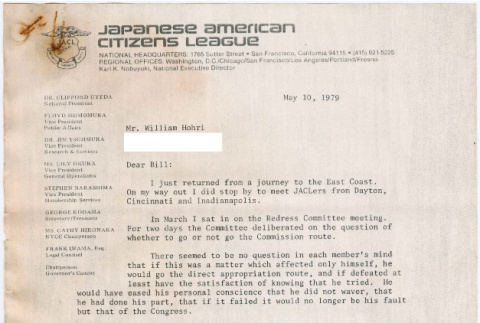
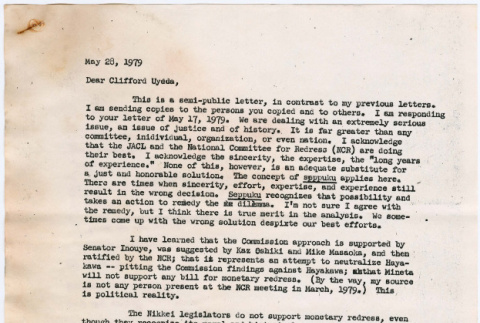
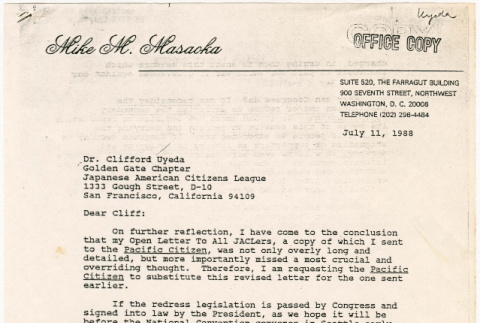
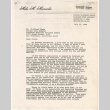
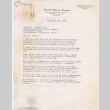
Letter to Clifford Uyeda from Mike Masaoka (ddr-densho-122-569)
doc Letter to Clifford Uyeda from Mike Masaoka (ddr-densho-122-569)
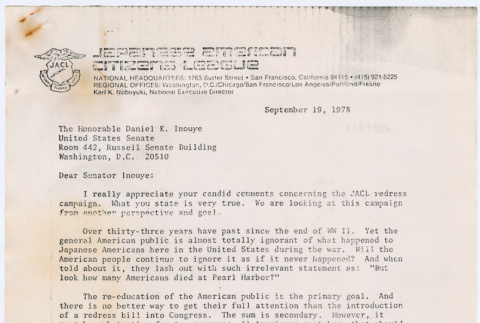
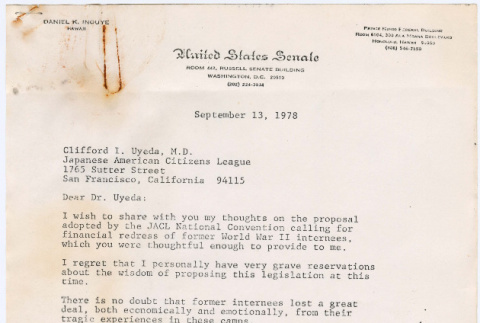
Letter opposing resolution adopted by San Francisco JACL Chapter re: redress
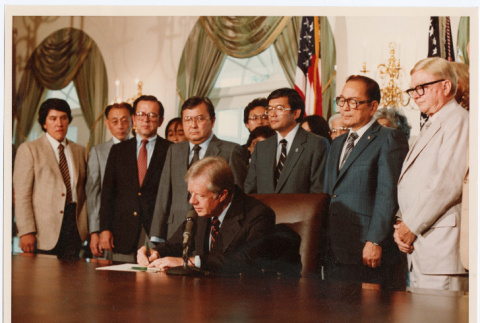
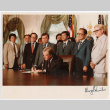
Men standing behind President Jimmy Carter in White House, signing of Commission of Wartime Relocation and Internment of Citizens Act into law (ddr-densho-393-5)
img Men standing behind President Jimmy Carter in White House, signing of Commission of Wartime Relocation and Internment of Citizens Act into law (ddr-densho-393-5)
Unknown, Clifford Uyeda, Ted Stevens, Daniel Inouye, Ron Ikejiri, Barbara Ikejiri, Norm Mineta, Spark Matsunaga, George Danielson. President Carter seated. photo front and back. Signed by George Danielson, Congressman from California.
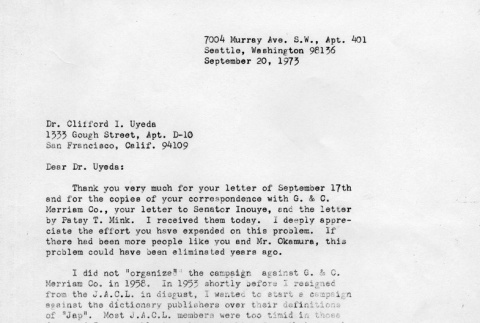
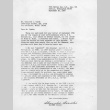
Letter regarding JACL involvement in campaign against the term
doc Letter regarding JACL involvement in campaign against the term "Jap" (ddr-densho-274-8)
Letter from Shosuke Sasaki to Clifford Uyeda. In the 1950s and 1960s, Mr. Sasaki was the leader of a movement against the use of the word "Jap" in movies and print media.
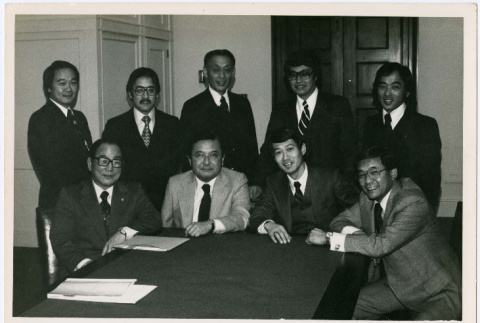
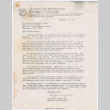
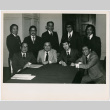
Group of men around table (ddr-densho-393-7)
img Group of men around table (ddr-densho-393-7)
Seated from left: Sens. Spark Matsunaga and Daniel Inouye of Hawaii, Reps. Robert Matsui of Sacramento and Norman Mineta of San Jose. Standing from left: Karl Nobuyuki, Ron Mamiya, Clifford Uyeda, Ronald Ikejiri and John Tateishi. Photo front and Back.

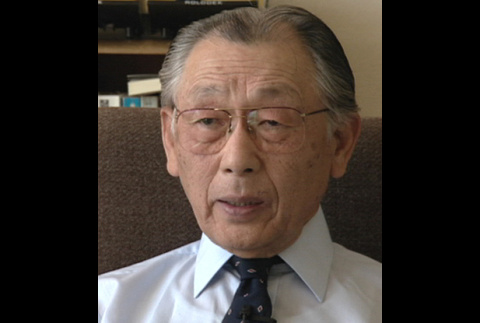
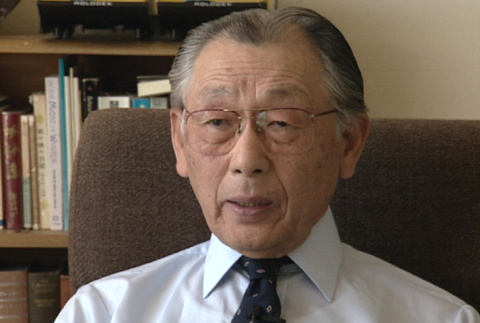
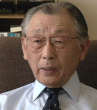
Narrator Clifford Uyeda
Nisei male. Born January 14, 1917, in Olympia, Washington. Raised in Washington before attending the University of Wisconsin, where he graduated in 1940. Earned medical degree from Tulane University School of Medicine in New Orleans, and completed his residency at Harvard Medical School in 1949. Served in the U.S. Air Force during the Korean War and …
Clifford Uyeda Interview Segment 1 (ddr-densho-122-19-1)
vh Clifford Uyeda Interview Segment 1 (ddr-densho-122-19-1)
Deciding to join the Japanese American Citizens League (JACL) This interview was conducted by filmmaker Frank Abe for his 2000 documentary, Conscience and the Constitution, about the World War II resisters of conscience at the Heart Mountain incarceration camp. As a result, the interviews in this collection are typically not life histories, instead primarily focusing on …
Clifford Uyeda Interview Segment 7 (ddr-densho-122-19-7)
vh Clifford Uyeda Interview Segment 7 (ddr-densho-122-19-7)
Thoughts on the treatment of the draft resisters by the JACL, Japanese American community, and Nisei veterans

This interview was conducted by filmmaker Frank Abe for his 2000 documentary, Conscience and the Constitution, about the World War II resisters of conscience at the Heart Mountain incarceration camp. As a result, the interviews in this collection …

Clifford Uyeda Interview Segment 16 (ddr-densho-122-19-16)
vh Clifford Uyeda Interview Segment 16 (ddr-densho-122-19-16)
Desire for the JACL to admit its past wrongs during World War II, and apologize for the way some of its members treated the draft resisters

This interview was conducted by filmmaker Frank Abe for his 2000 documentary, Conscience and the Constitution, about the World War II resisters of conscience at the Heart Mountain incarceration …

Clifford Uyeda Interview Segment 3 (ddr-densho-122-19-3)
vh Clifford Uyeda Interview Segment 3 (ddr-densho-122-19-3)
Thoughts on Bill Hosokawa and his stand on redress

This interview was conducted by filmmaker Frank Abe for his 2000 documentary, Conscience and the Constitution, about the World War II resisters of conscience at the Heart Mountain incarceration camp. As a result, the interviews in this collection are typically not life histories, instead primarily focusing …

Clifford Uyeda Interview Segment 8 (ddr-densho-122-19-8)
vh Clifford Uyeda Interview Segment 8 (ddr-densho-122-19-8)
Trying to reconcile the draft resisters with the JACL

This interview was conducted by filmmaker Frank Abe for his 2000 documentary, Conscience and the Constitution, about the World War II resisters of conscience at the Heart Mountain incarceration camp. As a result, the interviews in this collection are typically not life histories, instead primarily focusing …

Clifford Uyeda Interview Segment 11 (ddr-densho-122-19-11)
vh Clifford Uyeda Interview Segment 11 (ddr-densho-122-19-11)
Thoughts on some of those who wrote about the incarceration and/or resistance issue: Michi Weglyn, Aiko Herzig and James Omura

This interview was conducted by filmmaker Frank Abe for his 2000 documentary, Conscience and the Constitution, about the World War II resisters of conscience at the Heart Mountain incarceration camp. As a result, the interviews …

Clifford Uyeda Interview Segment 18 (ddr-densho-122-19-18)
vh Clifford Uyeda Interview Segment 18 (ddr-densho-122-19-18)
The effects of both the resistance movement and the World War II actions of the JACL on Japanese American identity today

This interview was conducted by filmmaker Frank Abe for his 2000 documentary, Conscience and the Constitution, about the World War II resisters of conscience at the Heart Mountain incarceration camp. As a result, the …

Clifford Uyeda Interview Segment 9 (ddr-densho-122-19-9)
vh Clifford Uyeda Interview Segment 9 (ddr-densho-122-19-9)
Surprise upon learning about the resistance movement: "it was good news to me"

This interview was conducted by filmmaker Frank Abe for his 2000 documentary, Conscience and the Constitution, about the World War II resisters of conscience at the Heart Mountain incarceration camp. As a result, the interviews in this collection are typically not life …

Clifford Uyeda Interview Segment 2 (ddr-densho-122-19-2)
vh Clifford Uyeda Interview Segment 2 (ddr-densho-122-19-2)
Becoming president of the JACL in order to run the redress campaign; issuing a questionnaire about redress

This interview was conducted by filmmaker Frank Abe for his 2000 documentary, Conscience and the Constitution, about the World War II resisters of conscience at the Heart Mountain incarceration camp. As a result, the interviews in this collection …

Clifford Uyeda Interview Segment 14 (ddr-densho-122-19-14)
vh Clifford Uyeda Interview Segment 14 (ddr-densho-122-19-14)
Relationship between the resisters and redress effort

This interview was conducted by filmmaker Frank Abe for his 2000 documentary, Conscience and the Constitution, about the World War II resisters of conscience at the Heart Mountain incarceration camp. As a result, the interviews in this collection are typically not life histories, instead primarily focusing on issues …

Clifford Uyeda Interview Segment 19 (ddr-densho-122-19-19)
vh Clifford Uyeda Interview Segment 19 (ddr-densho-122-19-19)
Recommendations of books on the incarceration experience

This interview was conducted by filmmaker Frank Abe for his 2000 documentary, Conscience and the Constitution, about the World War II resisters of conscience at the Heart Mountain incarceration camp. As a result, the interviews in this collection are typically not life histories, instead primarily focusing on issues …

Clifford Uyeda Interview Segment 15 (ddr-densho-122-19-15)
vh Clifford Uyeda Interview Segment 15 (ddr-densho-122-19-15)
Reading and discussion of the 1990 Golden Gate resolution

This interview was conducted by filmmaker Frank Abe for his 2000 documentary, Conscience and the Constitution, about the World War II resisters of conscience at the Heart Mountain incarceration camp. As a result, the interviews in this collection are typically not life histories, instead primarily focusing …

API