
5890 items
5890 items
av
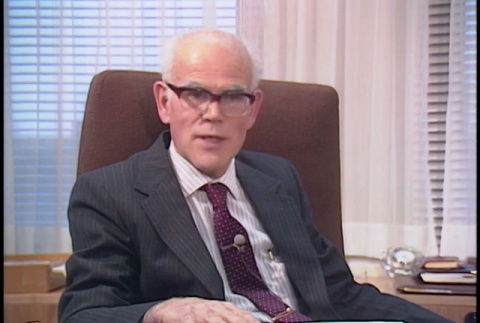
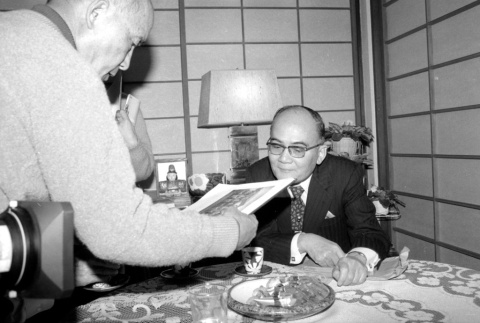
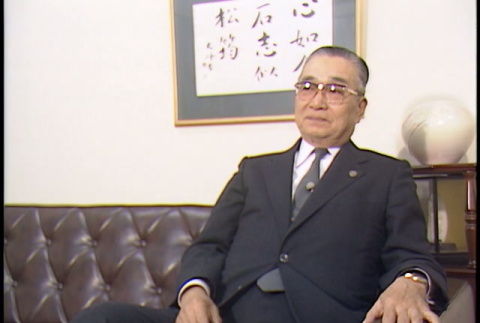
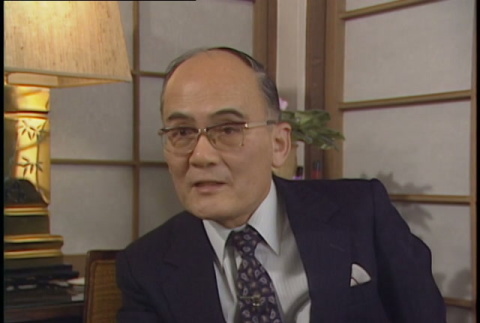
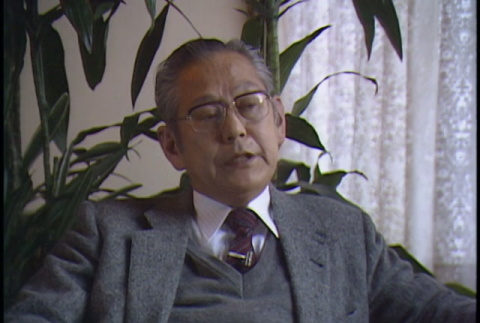
Interview with Bill Dizer, part 1 of 3 (ddr-densho-1007-1676)
Dizer, who lives in Japan, discusses how he started to learn Japanese at the University of Michigan, his thoughts on evacuation and his deployment in Japan. Interview starts at 6:15. Loni Ding can be heard asking questions behind the camera. Original title: 193, II JA #10, Bill Dizer, Fri., Jan. 31. Interview continues at ddr.densho.org/ddr-densho-1007-1677/
av
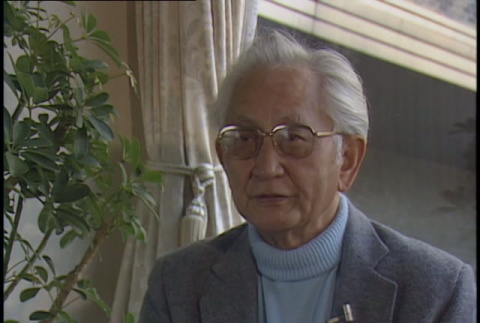
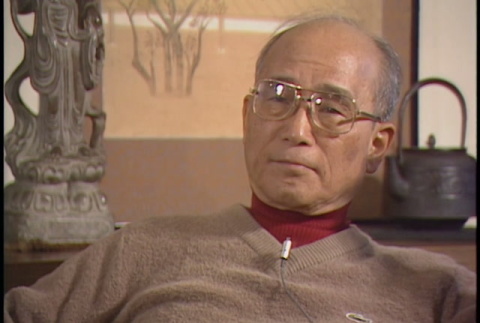
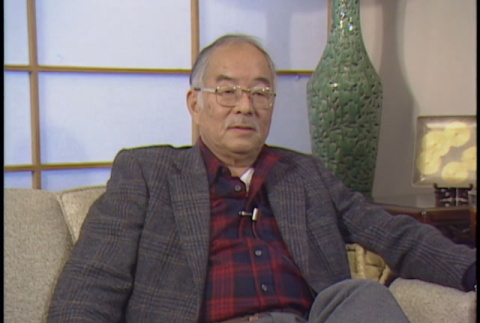
Interview with Harry Fukuhara, part 1 of 5 (ddr-densho-1007-1697)
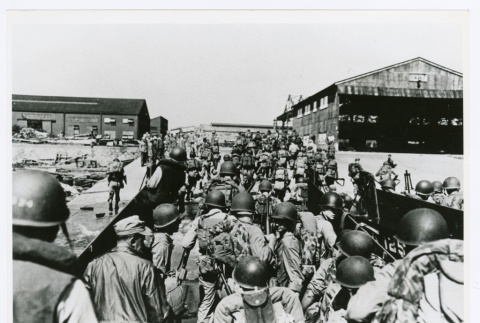
Fukuhara discusses his service in the Pacific theater, working with ATIS, and his first landing. Loni Ding can be heard asking questions behind the camera. Last few seconds are an accidental recording from the Kiyofumi Kojima interview. Original title: 212, II JA #36, Harry Fukuhara, Sun. Feb. 2. Interview continues at ddr.densho.org/ddr-densho-1007-1698/
av
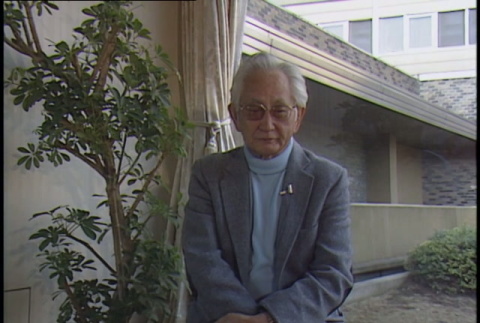
Interview with Harry Fukuhara, part 2 of 5 (ddr-densho-1007-1698)
Fukuhara discusses his service in the Pacific, being mistaken for a Japanese soldier, interviewing a gravely wounded prisoner of war, and POWs he interviewed just before their death. Loni Ding can be heard asking questions behind the camera. Original title: 213, II JA #37, Harry Fukuhara, Sun. Feb. 2. Interview continues at ddr.densho.org/ddr-densho-1007-1699/
av
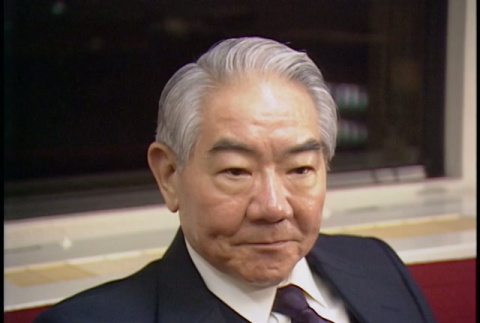
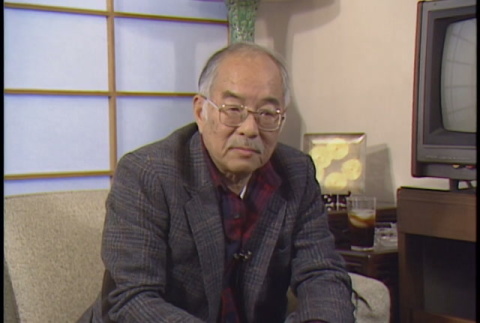
Interview with George Nakamura, part 5 of 5 (ddr-densho-1007-1684)
Nakamura discusses helping his son write a paper on internment, the importance of the Pacific Citizen newspaper for his children, and racial discrimination in the US. At 10:45, George and Loni Ding look and talk through several of his old papers and letters. Loni Ding can be heard asking questions in the background.Original title: II JA …
av
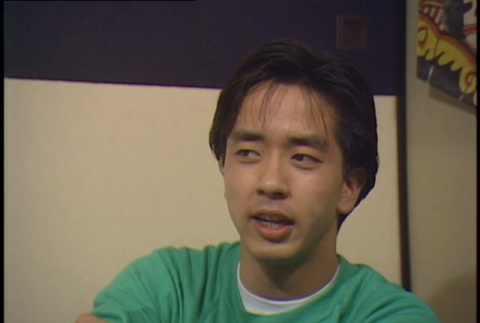
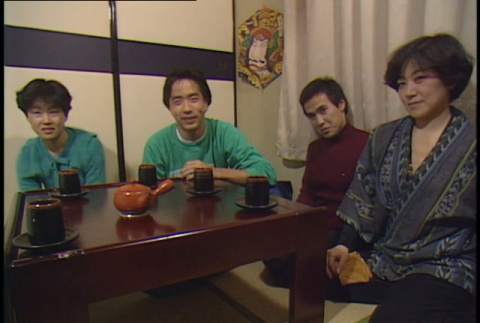
Interview with Akiko, Brian Yamakoshi, Kenny and Chizuko, part 2 of 4 (ddr-densho-1007-1718)
Brian Yamakoshi discusses his reasons for playing koto, his feelings on the art form, and his approach to the instrument. Kenny discusses his experience playing taiko, his first time hearing Japanese drums, his time on an indigenous American reservation, growing up in La Habra, CA, and how time spent at a pueblo encouraged him to learn …
av
Interview with Ray Aka, part 5 of 6 (ddr-densho-1007-1689)
Aka discusses the role of Nisei in the occupation of Japan, his work with natural disaster aid in occupied Japan, and the nuances of translation work after the war. Loni Ding can be heard asking questions in the background. Original title: 200, II JA #23, Ray Aka, Feb. 1, 1986, has some distorted audio. Interview continues …
av
Interview with Akiko, Brian Yamakoshi, Kenny and Chizuko, part 4 of 4 (ddr-densho-1007-1720)
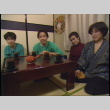
Akiko and Brian Yamakoshi discuss the differences between Japanese Americans and Japanese nationals. Chizuko discusses the unique opportunity afforded to Sansei to pursue Japanese arts and culture. Interview ends around 10:30; rest of tape is reaction shots. Original title: 227, II JA #59, Brian Yamakoshi, Fri. Feb. 7
av
Interview with Harry Fukuhara, part 3 of 5 (ddr-densho-1007-1699)
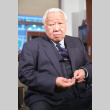
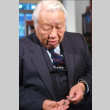
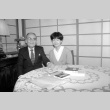
Fukuhara discusses how he approached interviewing prisoners of war, his relationship with Caucasian soldiers in the military, and the risk of being captured by the Japanese military. Video starts at 0:25. Loni Ding can be heard asking questions behind the camera. Original title: 214, II JA #38, Harry Fukuhara, Sun. Feb. 2. Interview continues at ddr.densho.org/ddr-densho-1007-1700/
av
Interview with Yoshio Miwa, part 2 of 4 (ddr-densho-1007-1668)
Miwa discusses meeting American soldiers for the first time, the start of the occupation of Japan, and the role of Nisei in the occupation. Interview conducted mostly in Japanese with the aid of an interpreter. Loni Ding can be heard asking questions behind the camera. Original title: II JA #2, Yoshio Miwa, Fri. Jan. 31, 1986. …
img
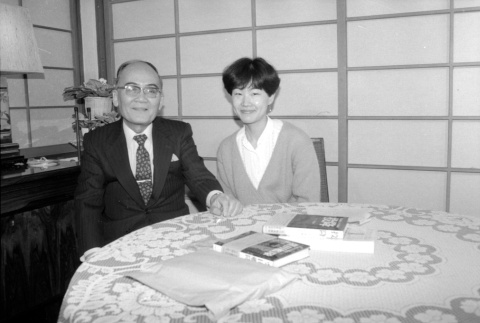
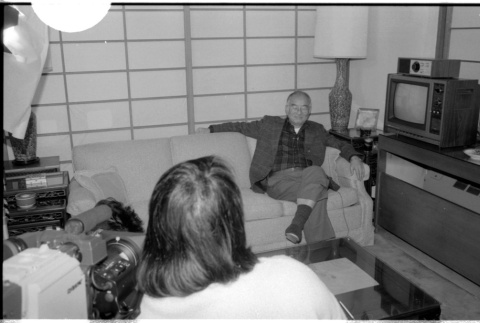
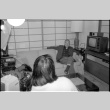
Behind the scenes shot of interview with John Fujii (ddr-densho-1007-1176)
Negative. Taken during an interview for The Color of Honor.
av
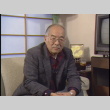
Interview with John Fujii, part 2 of 2 (ddr-densho-1007-1692)
Fujii discusses being suspected as a Japanese spy while working for a newspaper, serving Japan and being interned in India during the war, his sympathy for Japan during the war, his brother's service in the US army, and his brother's attitude toward Japan. Video starts at 0:25. Loni Ding can be heard asking questions in the …
av
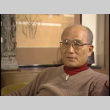
Interview with Ray Aka, part 1 of 6 (ddr-densho-1007-1685)
Aka discusses moving to Japan in 1946, growing up on Maui and in Okinawa, returning to the US as a teenager, being drafted, and his Japanese education. The first few minutes of the tape are Loni Ding explaining her interview process to Aka. Loni Ding can be heard asking questions during the interview. Original title: II …
av
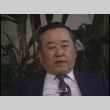
Interview with Shigeo Yamada, part 3 of 3 (ddr-densho-1007-1709)
Yamada discusses the military service of his brothers (for the Japanese army) and the state of Japan after the war/post-reconstruction. Loni Ding can be heard asking questions behind the camera. Original title: II JA #48, Shigeo Yamada, Sun. Feb. 2
av
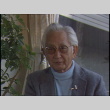
Interview with Harry Fukuhara, part 5 of 5 (ddr-densho-1007-1701)
Fukuhara discusses the role of Nisei in the occupation, the Japanese reaction to occupation, the difficulties of occupation, and the occupation in Okinawa. Loni Ding can be heard asking questions behind the camera. Original title: 216, II JA #40, Harry Fukuhara, Sun. Feb. 2
av
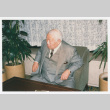
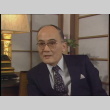
Interview with Kiyofumi Kojima, part 4 of 4 (ddr-densho-1007-1696)
Interview conducted in Japanese, ends at 11:05. Rest of tape is Kojima reading a poem he wrote while a prisoner of war in Hawaii. Original title: 211, II JA #35, Kiyofumi Kojima, Feb. 1, 1986
av
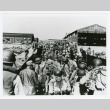
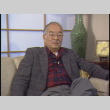
Interview with John Fujii, part 1 of 2 (ddr-densho-1007-1691)
Fujii, who was born and lives in Japan, discusses growing up in Livingston, CA, realizing he was Japanese as a child, going to college at Pomona, segregation in the schools he attended as a child, and his family's internment during the war. Loni Ding can be heard asking questions in the background. Original title: 202, II …
av
Interview with Barry Saiki, part 2 of 5 (ddr-densho-1007-1703)
Saiki discusses his mother's reaction to his father's arrest and imprisonment, his time at Stockton Assembly Center, the attitudes of incarcerees at Stockton, the difficulty Nisei faced trying to find jobs at the time, and being relocated to the Rohwer camp. Loni Ding can be heard asking questions behind the camera. Original title: II JA #42, …