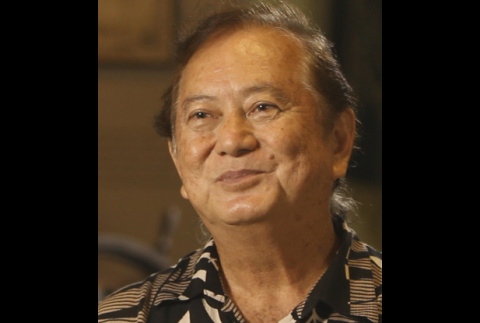
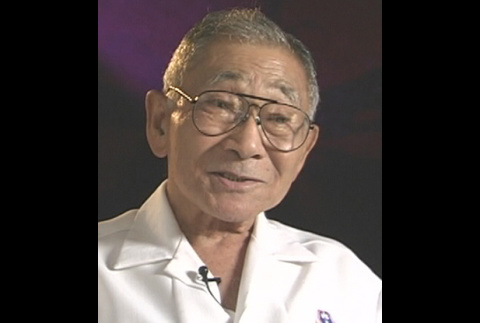
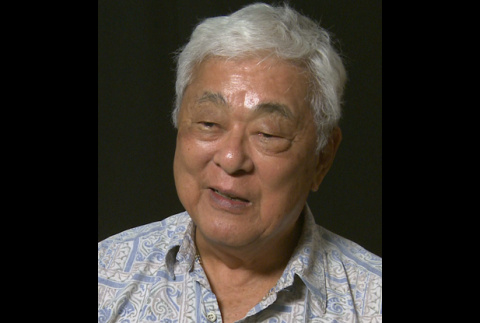
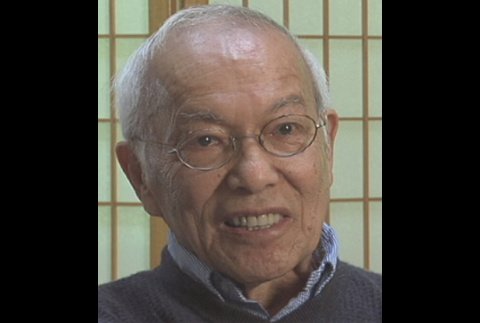
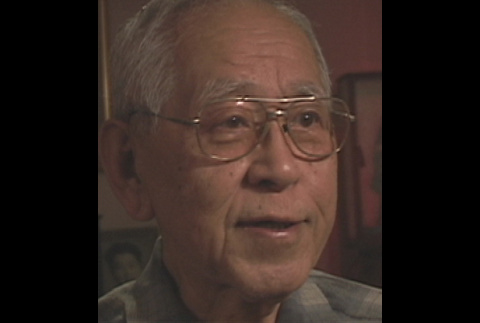
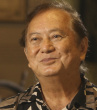
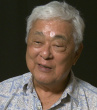
Nisei male. Born June 2, 1942, in Lima, Peru. Parents had originally immigrated to Peru from Okinawa, Japan. During World War II, removed with family to Crystal City internment camp, Texas. After leaving Crystal City, moved to Kauai, Hawaii. Established a successful career as an architect.
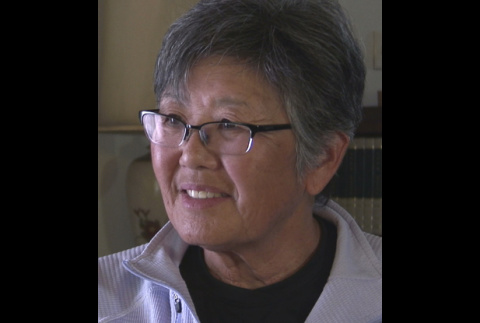
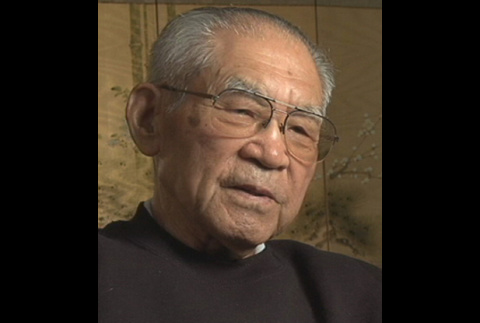
Yonsei female. Born in 1990 in Champaign, Illinois. Father's family is from Canada and her mother is from Japan. Paternal grandparents were incarcerated in Tashme and Lillooet in Canada. After attending college on the East Coast, moved to Chicago and became active in the Japanese American community.
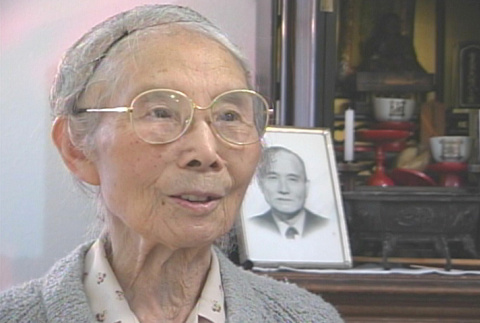
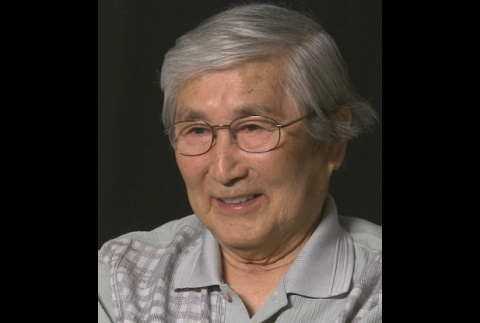
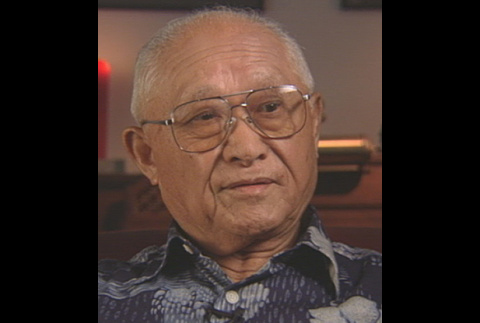
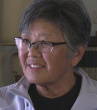
Sansei female. Born April 20, 1944, in Manzanar, California. Parents married in camp, but separated soon after when father returned with his family to Japan. Left Manzanar for the Burbank trailer camp, then moved with mother and stepfather to Los Angeles, California. Active with the Manzanar Committee.
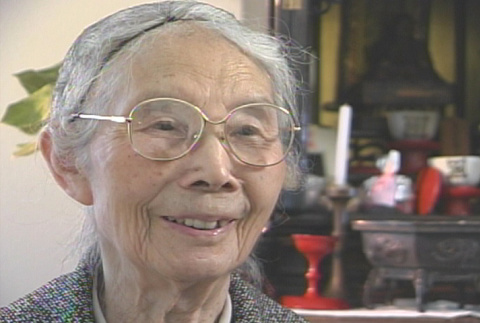
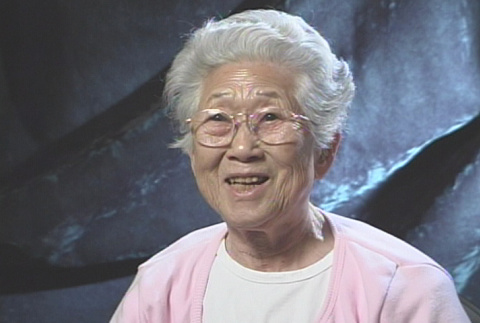
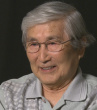
Nisei female. Born 1918 in Tokyo, Japan. Immigrated to the U.S. with parents at age five, and grew up in Hollywood, California. During World War II, incarcerated at the Pomona assembly center, California, and the Heart Mountain concentration camp, Wyoming. Left camp to resettle in Philadelphia, California.
Losing touch with friends and teachers in Japan; some killed by the atomic bomb (Japanese language)
This interview was conducted in Japanese and was translated so as to convey Mrs. Terao's way of speaking as closely as possible. For example, there are instances in which she makes some grammatical errors. These mistakes are conveyed through similar …
Reaction to the bombing of Pearl Harbor; believing "there was no way Japan would win" (Japanese language)
This interview was conducted in Japanese and was translated so as to convey Mrs. Terao's way of speaking as closely as possible. For example, there are instances in which she makes some grammatical errors. These mistakes are conveyed through …
Clashing opinions; disagreeing with the Kibeis' belief that Japan would win the war (Japanese language)
This interview was conducted in Japanese and was translated so as to convey Mrs. Terao's way of speaking as closely as possible. For example, there are instances in which she makes some grammatical errors. These mistakes are conveyed through similar grammatical …
Discovering status as an American citizen in Japan at an early age: "I was speechless" (Japanese language)
This interview was conducted in Japanese. It was translated so as to convey Mrs. Terasaki's way of speaking as closely as possible. For example, there are instances in which she makes some grammatical errors. These mistakes are conveyed through …
Nisei male. Born July 7, 1925, near San Jose. Grew up in Salinas, California, until he went to Japan at the age of thirteen. Studied in Japan until about 1939. Incarcerated at the Salinas Assembly Center, California, and Poston concentration camp, Arizona. Volunteered out of camp to serve in the U.S. military. Fought in Europe as …
Nisei male. Born April 20, 1926, in San Diego, California. Grew up in Terminal Island, California, where father was a fisherman. During World War II, removed with family to the Santa Anita Assembly Center, California, and the Heart Mountain concentration camp, Wyoming. Family was transferred to Tule Lake in response to father's answers on the so-called …
Nisei male. Born February 23, 1933, in Tokyo, Japan. Moved with parents to Hawaii at a young age, and grew up in Honolulu, where family held a prominent position in the community. Just prior to the bombing of Pearl Harbor, parents received a phone call from Japan, which was tapped by the FBI. The U.S. government …
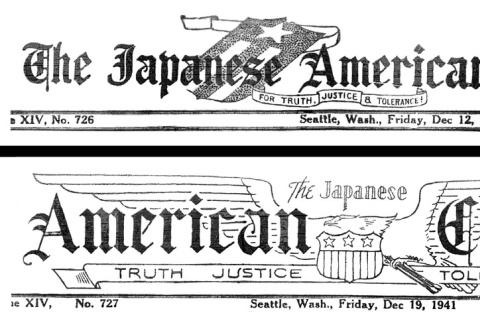
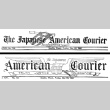
The Japanese American Courier was the first English-language weekly published exclusively for the Nisei community. It was published and edited by James Sakamoto, one of the founding members of the Japanese American Citizens League. The Courier's first issue was published on January 1, 1928, and its last issue was dated April 24, 1942. The newspaper's content …
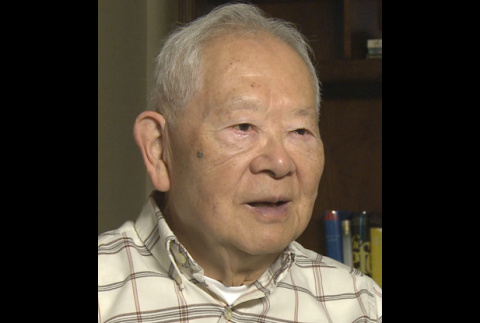
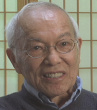
Nisei male. Born October 5, 1922, in Bainbridge Island, Washington. Was attending the University of Washington when Japan bombed Pearl Harbor on December 7, 1941. During World War II, was removed to the Manzanar concentration camp, California. Was drafted into the military and served with the Military Intelligence Service.
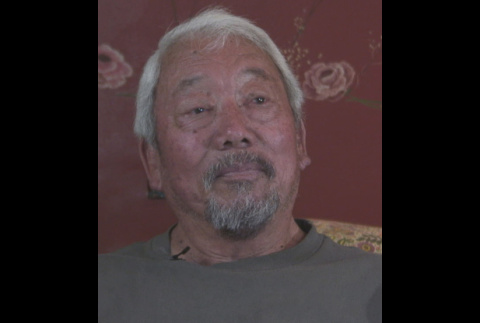
Nisei male. Born August 30, 1920. Spent early years in Japan before returning to Bainbridge Island, Washington. During World War II, removed to the Manzanar concentration camp, California, and the Minidoka concentration camp, Idaho. After leaving camp, lived in Chicago, Illinois, for a time before eventually returning to Bainbridge.
Nisei male. Born February 19, 1918, in Watsonville, California. Drafted into the military before the bombing of Pearl Harbor. Volunteered for the Military Intelligence Service and interrogated Japanese POWs in Australia during the war. After the war, served as a linguist and interpreter in Japan during the U.S. occupation.
Nisei male. Born June 23, 1921. Grew up in Portland, Oregon. After Japan bombed Pearl Harbor, received a permit to remain in Portland during mass removal to translate for father in the hospital. Rejoined family and went to the Minidoka concentration camp, Idaho. After leaving camp, returned to Portland.
Nisei male. Born November 24, 1928, in Portland, Oregon. Grew up in Portland, where parents ran a hotel. During World War II, removed to the Portland Assembly Center, Oregon, and the Minidoka concentration camp, Idaho. After leaving camp, joined the military and served in Japan. Eventually returned to Portland.
Sansei male. Born April 16, 1942, in Manzanar, California. In 1943, parents signed "no-no" on the so-called "loyalty questionnaire" and were transferred to the Tule Lake segregation center, California. Moved with family to Japan, and returned to the United States in the 1950s to attend high school.
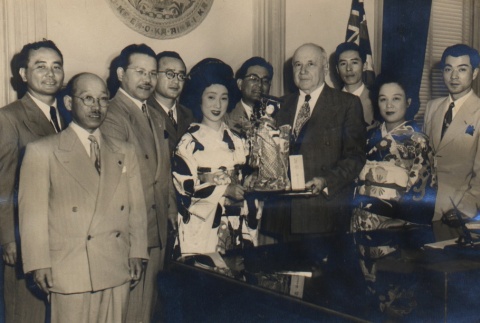
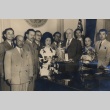
Caption on reverse: "JAPAN MUSICAL STARS MEET GOVERNOR: Pictured here is the group of Japanese musicians, led by famed composer and guitarist Masao Koga, who were received by Governor Ingram M. Stainback in Iolani Palace yesterday afternoon. The governor has just been presented with a doll. Left to right: Itsuo Tokunaga, one of the promoters of …
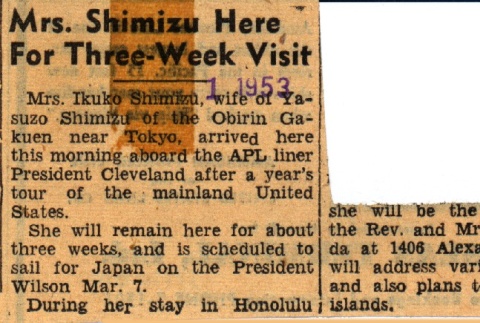
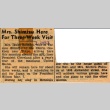
Article: "Mrs. Shimizu Here For Three-Week Visit. Mrs. Ikuko Shimizu, wife of Yasuzo Shimizu of the Obirin Gakuen near Tokyo, arrived here this morning aboard the APL liner President Cleveland after a year's tour of the mainland United States. She will remain here for about three weeks, and is scheduled to sail for Japan on the …
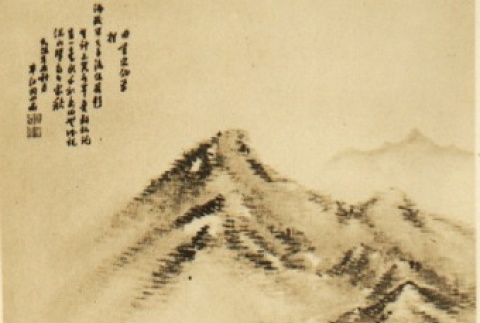
Caption on reverse [translation]: "Bids for possession of Sanrakuan over 210,000 yen. (Osaka) February 17, 1940. Collectors from all over Japan paid attention to 213 artworks, including seven important state artworks from Magosaburo Ohara's Sanrakuan collection. This auction started at 6 p.m. on the 16th, and [?] Yamanaka is [?]. The action was held as the …
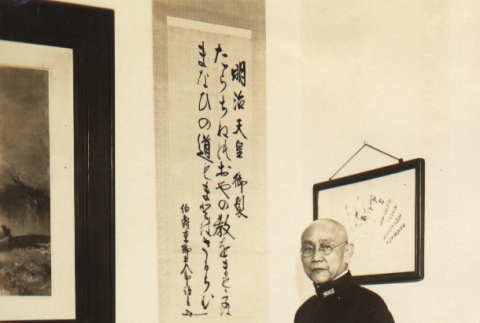
Caption on reverse [translation]: "(Tokyo) November 3, 1935. A hanging decoration of Emperor Meiji's poem was made by three persons. Sasaburo Hayakawa lives in [?] city, and Kato [?] and [??] live in Tokyo city. They successfully made the hanging decoration. Emperor Meiji's poem was used by Chosei Ogasawara and Togo, an army general (Togo and …
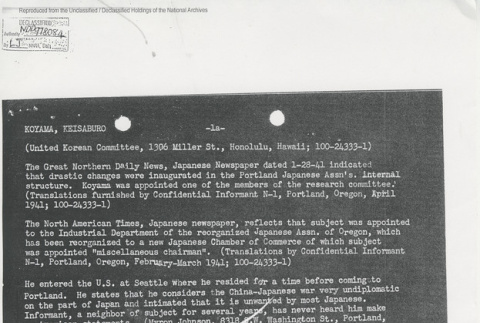
Photocopy of a declassified data card with biographical information on Keisaburo Koyama. The card is labeled "1a" and has a white check mark along the bottom center. Information on the card was acquired from two Japanese newspapers: The Great Northern Daily News and The North American Times. Translations of both articles was provided by Confidential Informant …
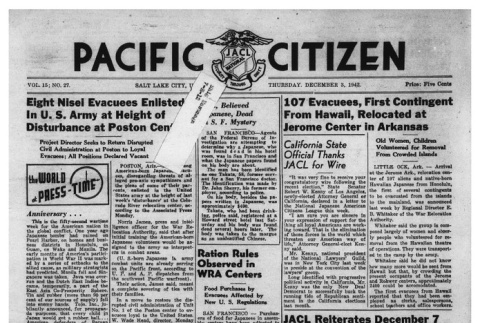
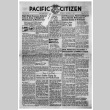
Selected article titles: "Eight Nisei Evacuees Enlisted in U.S. Army at Height of Disturbance at Poston Center" (p. 1), "107 Evacuees, First Contingent From Hawaii, Relocated at Jerome Center in Arkansas" (p. 1), "JACL Reiterates December 7 Denunciation of Military Japan" (p. 1), "Delay in Prosecuting Cases Against Nisei Civil Service Workers Told Assemblyman" (p. 2), …
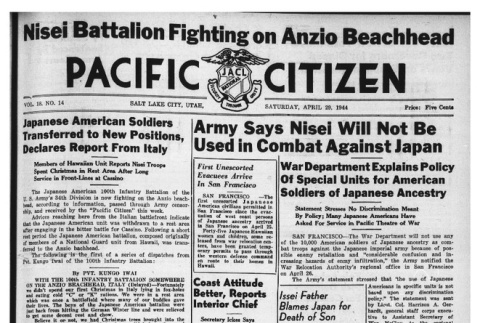
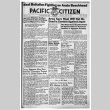
Selected article titles: "Nisei Battalion Fighting on Anzio Beachhead" (p. 1), "Army Says Nisei Will Not Be Used in Combat Against Japan" (p. 1), "Young Japanese Alien Gets American Citizenship Through Service in United States Army" (p. 1), "Student Relocation Program Successful, Reports Hibbard" (p. 2), "WRA Reopens Isolation Camp in Arizona. Leupp Will House Troublemakers …