This material is based upon work assisted by a grant from the Department of the Interior, National Park Service. Any opinions, finding, and conclusions or recommendations expressed in this material are those of the author(s) and do not necessarily reflect the views of the Department of the Interior.
This material is based upon work assisted by a grant from the Department of the Interior, National Park Service. Any opinions, finding, and conclusions or recommendations expressed in this material are those of the author(s) and do not necessarily reflect the views of the Department of the Interior.
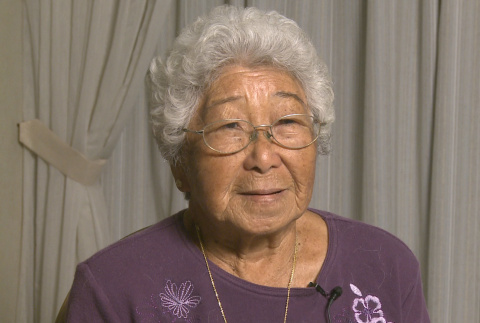
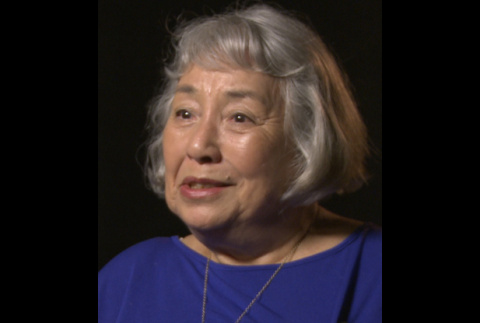
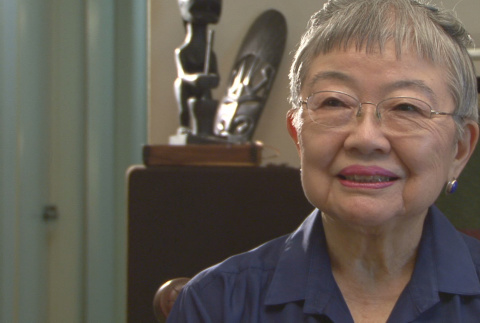
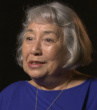
Nisei female. Born December 30, 1927, in Seattle, Washington. Lived in Japan for fifteen months as a child, before returning to Seattle to attend junior high school. After the bombing of Pearl Harbor, father was picked up by the FBI and taken to the Department of Justice camp at Missoula, Montana. Removed to the Puyallup Assembly …
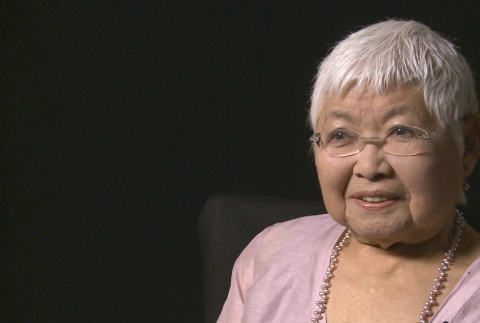
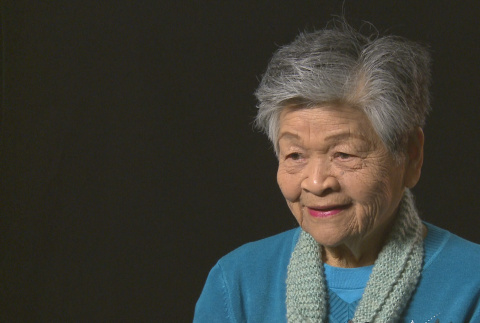
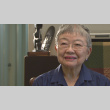
Nisei female. Born February 4, 1915, in Portland, Oregon. Grew up in Portland before being sent to be educated in Japan at age sixteen. Married and had children in Japan, working for the military government after World War II. Returned to Portland in the 1950s with family.
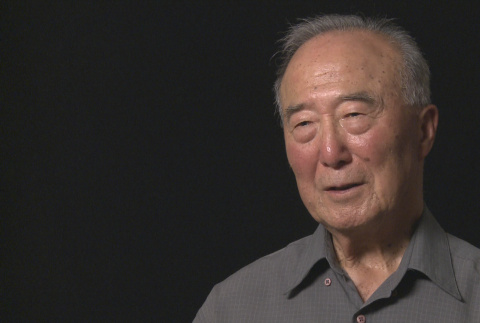
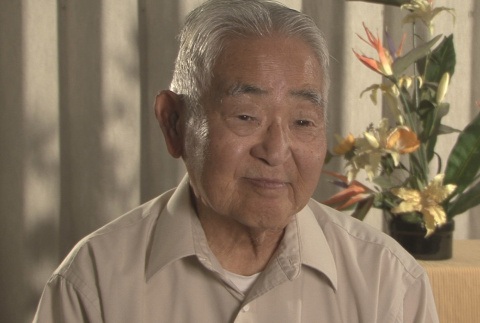
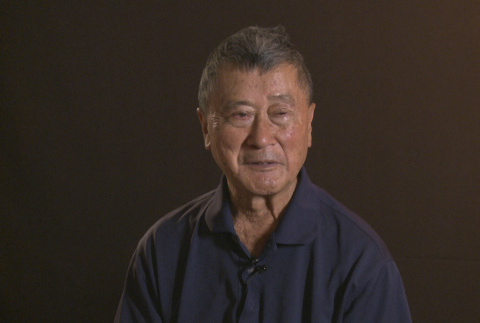
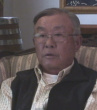
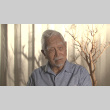
Nisei male. Born June 7, 1929, in Merced, California. Grew up in Mount Eden, California, and was removed to the Tanforan Assembly Center, California, after the bombing of Pearl Harbor. Incarcerated at the Topaz concentration camp in Utah, then moved to Tule Lake concentration camp after family volunteered to move to Japan. While at Tule Lake, …
Caption on reverse [translation]: "(Tokyo) 1936 August 17. Tamekichi Ota, Japanese Ambassador to Russia, returned home on the 13th. He visited Prime Minister Hirota at the official residence at noon on the 17th. While they ate lunch Ota reported on the latest trend of the relations between England and Russia, and between France and Russia. Ota …
A letter from Minoru Sasaki in Hiroshima, Japan, to his brother-in-law, Seiichi Okine. He thanks Seiichi for the gift, including ajinomoto [monosodium glutamate], sugar, candies, and pencils. He describes the shortages of basic necessities in Japan and states that all children under age 8 do not know the real taste of sugar. He also expresses his …
A letter from Masao Okine, who is stationed in Tokyo, Japan as a Nisei solder, to his parents, Seiichi and Tomeyo Okine. The letter is mailed via San Francisco, California, by U.S. Army Postal Service. In the letter, Masao writes about his duties driving a jeep and informs that he is going to mail his parents' …
Selected article titles: "300 Nisei Stranded in Japan by War, Petition for Right to Return to Homes in U.S." (p. 1), "Canadian Supreme Court Rules Orders for Deportation Valid" (p. 1), "Delegates Support Extension of JACL Work in Peacetime" (p. 1), "See Few Marriages Between U.S. Troops, Girls in Japan" (p. 1), "San Francisco Cases to …
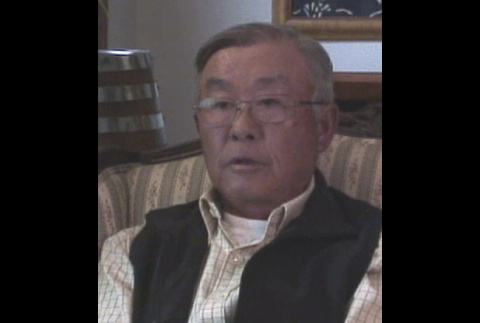
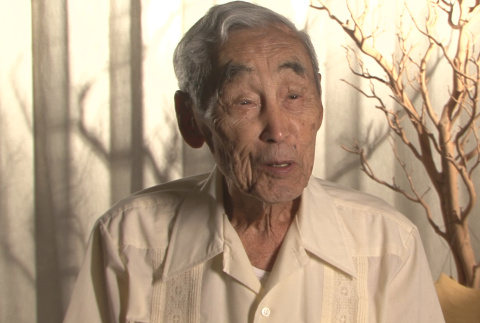
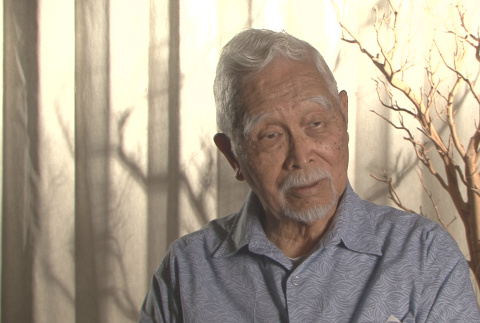
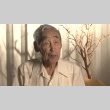
Nisei male. Born February 7, 1925, in Sacramento, California. At a very young age, sent to Japan for several years. Returned at age six and lived with family in Loomis, California. During World War II, removed to the Arboga Assembly Center, California, and the Tule Lake concentration camp, California. Transferred briefly to the Amache concentration camp, …
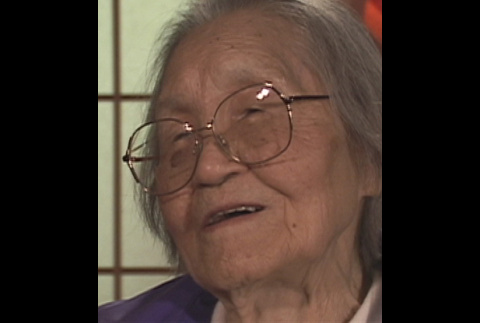
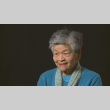
Issei female. Born October 4, 1901, in Fukuda, Japan. Grew up in Japan and immigrated to the U.S. after marrying. Settled in Portland, and during World War II was removed to the Portland assembly center, Oregon, and the Minidoka concentration camp, Idaho. After the war, returned to Portland.
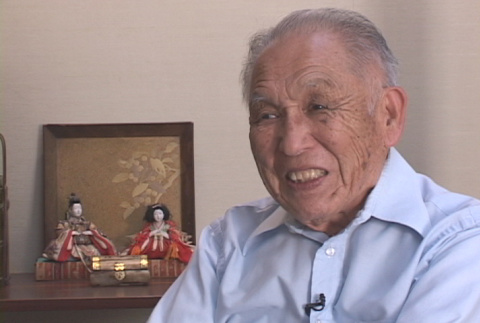
Nisei male. Born 1940 in Spreckels, California. Soon after Minoru was born, father decided to move the family to Japan. Lived in Japan during World War II, returning to the U.S. in the 1960s. Went to school in Chicago for a time before eventually settling in Southern California.
Shin-Issei female. Born March 30, 1931 in Kasuga, Fukuoka, Japan. Grew up in Kasuga where parents ran a farm. Graduated from a girl's high school during the U.S. occupation of Japan. Met future husband, a U.S. serviceman, and immigrated to the United States as a "war bride."
This material is based upon work assisted by a grant from the Department of the Interior, National Park Service. Any opinions, finding, and conclusions or recommendations expressed in this material are those of the author(s) and do not necessarily reflect the views of the Department of the Interior.
This material is based upon work assisted by a grant from the Department of the Interior, National Park Service. Any opinions, finding, and conclusions or recommendations expressed in this material are those of the author(s) and do not necessarily reflect the views of the Department of the Interior.
This material is based upon work assisted by a grant from the Department of the Interior, National Park Service. Any opinions, finding, and conclusions or recommendations expressed in this material are those of the author(s) and do not necessarily reflect the views of the Department of the Interior.
This material is based upon work assisted by a grant from the Department of the Interior, National Park Service. Any opinions, finding, and conclusions or recommendations expressed in this material are those of the author(s) and do not necessarily reflect the views of the Department of the Interior.
This material is based upon work assisted by a grant from the Department of the Interior, National Park Service. Any opinions, finding, and conclusions or recommendations expressed in this material are those of the author(s) and do not necessarily reflect the views of the Department of the Interior.
This material is based upon work assisted by a grant from the Department of the Interior, National Park Service. Any opinions, finding, and conclusions or recommendations expressed in this material are those of the author(s) and do not necessarily reflect the views of the Department of the Interior.
This material is based upon work assisted by a grant from the Department of the Interior, National Park Service. Any opinions, finding, and conclusions or recommendations expressed in this material are those of the author(s) and do not necessarily reflect the views of the Department of the Interior.
This material is based upon work assisted by a grant from the Department of the Interior, National Park Service. Any opinions, finding, and conclusions or recommendations expressed in this material are those of the author(s) and do not necessarily reflect the views of the Department of the Interior.
This material is based upon work assisted by a grant from the Department of the Interior, National Park Service. Any opinions, finding, and conclusions or recommendations expressed in this material are those of the author(s) and do not necessarily reflect the views of the Department of the Interior.
This material is based upon work assisted by a grant from the Department of the Interior, National Park Service. Any opinions, finding, and conclusions or recommendations expressed in this material are those of the author(s) and do not necessarily reflect the views of the Department of the Interior.
This material is based upon work assisted by a grant from the Department of the Interior, National Park Service. Any opinions, finding, and conclusions or recommendations expressed in this material are those of the author(s) and do not necessarily reflect the views of the Department of the Interior.
This material is based upon work assisted by a grant from the Department of the Interior, National Park Service. Any opinions, finding, and conclusions or recommendations expressed in this material are those of the author(s) and do not necessarily reflect the views of the Department of the Interior.