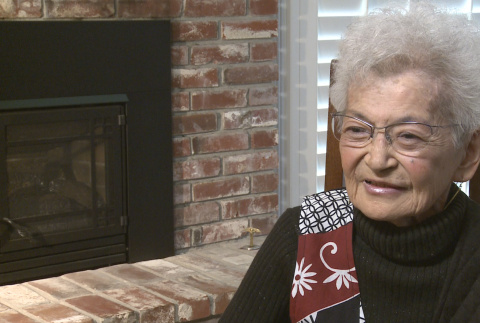
Climate differences between Tule Lake concentration camp, California, and Heart Mountain
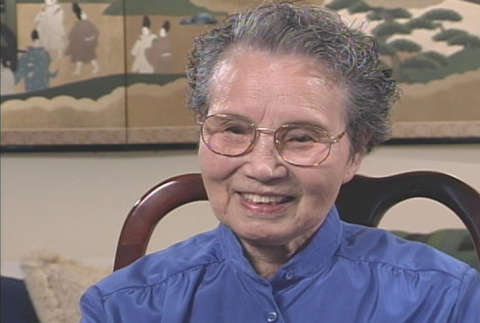
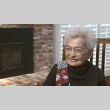
During this interview, Mrs. Kurosu alternately speaks in both English and Japanese. As a result, the English translation of the transcript contains [Jpn.] and [Eng.], which indicate whether the original dialogue was spoken in Japanese or English.
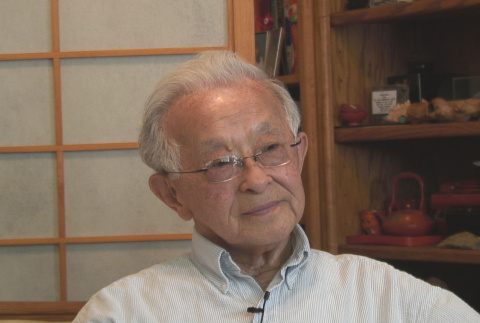
Water and primitive facilities at Tule Lake concentration camp, California
During this interview, Mrs. Kurosu alternately speaks in both English and Japanese. As a result, the English translation of the transcript contains [Jpn.] and [Eng.], which indicate whether the original dialogue was spoken in Japanese or English.
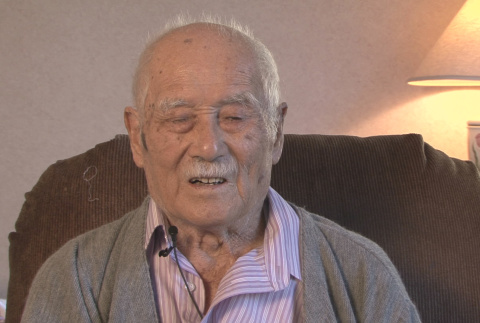
Thoughts on living in San Jose, California, postwar
This interview was conducted by the Japanese American Museum of San Jose, and is part of a project entitled "Lasting Stories: The Resettlement of San Jose Japantown," a collaborative project between the Japanese American Museum of San Jose and Densho.
This interview was conducted by the Japanese American Museum of San Jose, and is part of a project entitled "Lasting Stories: The Resettlement of San Jose Japantown," a collaborative project between the Japanese American Museum of San Jose and Densho.
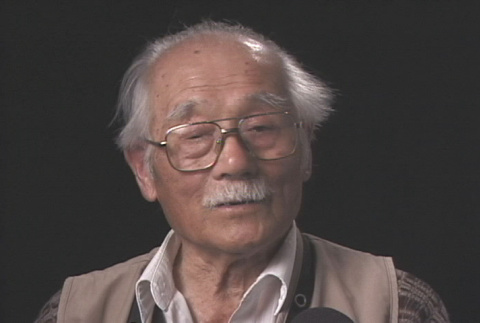
Memories of the Stockton Assembly Center, California
This interview was conducted by the Japanese American Museum of San Jose, and is part of a project entitled "Lasting Stories: The Resettlement of San Jose Japantown," a collaborative project between the Japanese American Museum of San Jose and Densho.
An oral interview with Karl Yoneda, a Nisei labor activist and veteran, incarcerated at the Manzanar incarceration camp. The interview was conducted for the Japanese American Oral History Project by California State University, Fullerton. Transcript is found in item: csufccop_jaoh_0944. See this object in the California State Universities Japanese American Digitization project site: 1376.2_T01
Nisei female. Born January 2, 1909, in Los Angeles, California. Grew up in California, attending the University of Southern California before World War II and graduating with a degree in pharmacy. Married and was living in Terminal Island, California, when Japan bombed Pearl Harbor on December 7, 1941. After being removed from Terminal Island, moved to …
Nisei female. Born in California. Grew up in Watts, California, where parents ran a grocery business. During World War II, removed to the Manzanar concentration camp, California. After the so-called "loyalty questionnaire," transferred to the Tule Lake concentration camp, California. After leaving camp, returned to Los Angeles.
Sansei female. Born November 12, 1939, in Los Angeles, California. During World War II, removed as a small child to the Manzanar concentration camp, California. After leaving camp, returned to California with family, where parents established a nursery business in Torrance, California. Graduated from the University of Southern California, and worked as a teacher. Integral in …
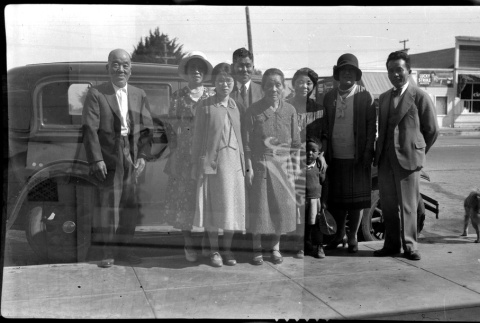
The Toru Miyoshi Family Collection includes negatives retrieved from the basement of the family’s drug store in Santa Maria, California. The collection also includes the 1934-1935 Southern California Nisei Directory, which includes information on Japanese Americans living and working in Southern California, and the 1940-1941 Commemorative Issue 2600th anniversary Yearbook and Directory, primarily for Japanese Americans …
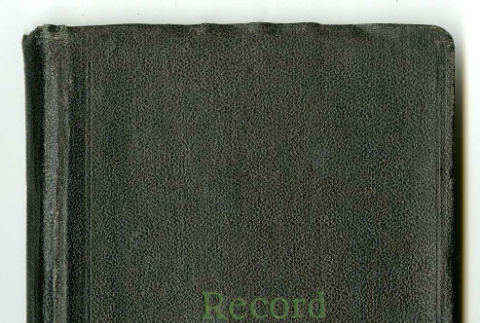
The Hiroshi Fukuwa Manzanar Diary consists of a diary written by Hiroshi Fukuwa, Kibei Nisei of Los Angeles, California, along with newsletters, clippings, and handwritten notes created/collected in the incarceration camps during World War II. The diary details his incarceration experiences in the Manzanar camp in California, the Gila River camp in Arizona, and the Tule …
This collection consists of interviews conducted in partnership with Preserving California's Japantowns, a project of California Japanese American Community Leadership Council (CJACLC), dedicated to documenting historic resources from pre-World War II Japantowns.For more information about the project, please visit www.californiajapantowns.org.Funding for these interviews was provided by a grant from the California State Library through …
Nisei male. Born April 1, 1930, in Fresno, California. Grew up in Caruthers, California, where parents leased a vineyard. During World War II, sent to the Fresno Assembly Center, California, and the Jerome concentration camp, Arkansas. After leaving camp, lived in Ogden, Utah, and become a minister. Eventually returned to California.
Nisei male. Born April 25, 1913, in Los Angeles, California. Grew up in California prior to World War II. Removed to Manzanar concentration camp, California, during the war. Left Manzanar in 1943 and lived in various locations, eventually settling in New York and California. Mr. Fukuhara was a prominent artist.
Nisei male. Born April 25, 1913, in Los Angeles, California. Grew up in California prior to World War II. Removed to Manzanar concentration camp, California, during the war. Left Manzanar in 1943 and lived in various locations, eventually settling in New York and California. Mr. Fukuhara was a prominent artist.
Returning to San Jose, California, after World War II
This interview was conducted by the Japanese American Museum of San Jose, and is part of a project entitled "Lasting Stories: The Resettlement of San Jose Japantown," a collaborative project between the Japanese American Museum of San Jose and Densho.
Attending University of California Berkeley before World War II
This interview was conducted by the Japanese American Museum of San Jose, and is part of a project entitled "Lasting Stories: The Resettlement of San Jose Japantown," a collaborative project between the Japanese American Museum of San Jose and Densho.
Growing up and attending school in San Jose, California
This interview was conducted by the Japanese American Museum of San Jose, and is part of a project entitled "Lasting Stories: The Resettlement of San Jose Japantown," a collaborative project between the Japanese American Museum of San Jose and Densho.