Pearl Harbor and aftermath
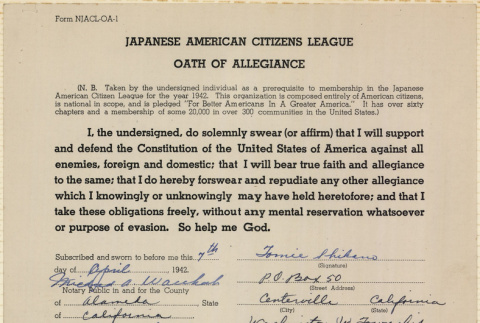
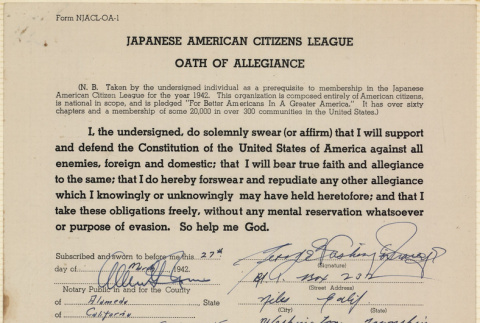
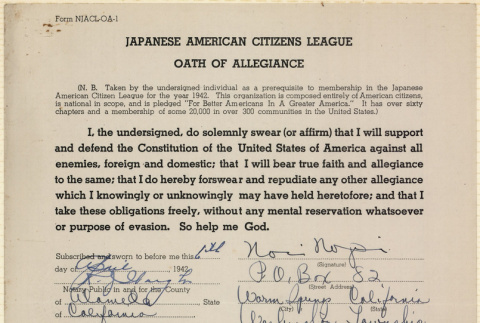
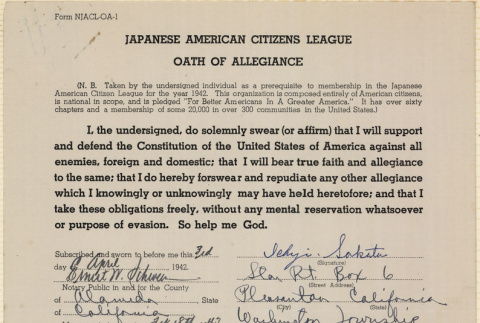
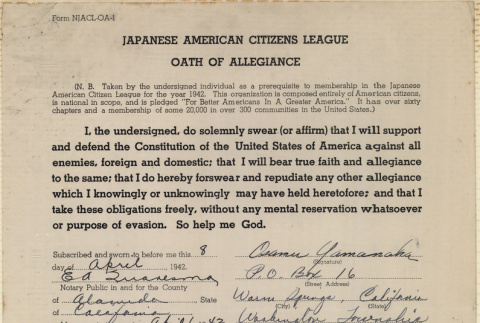
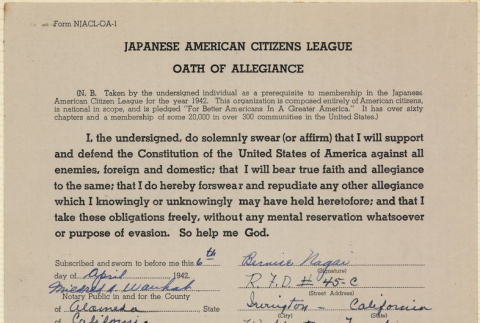
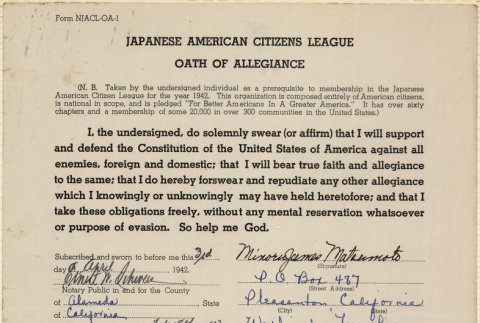
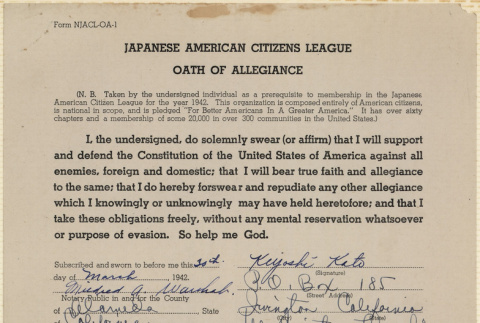
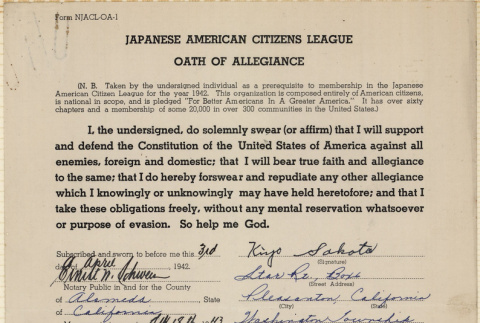
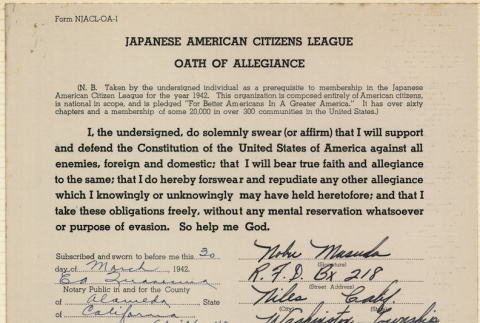
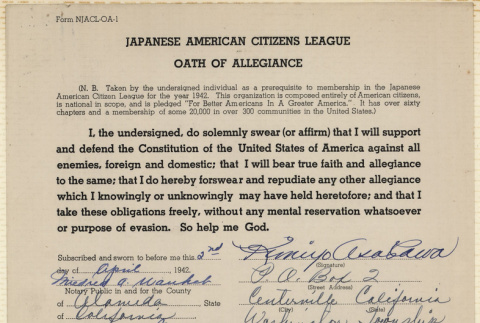
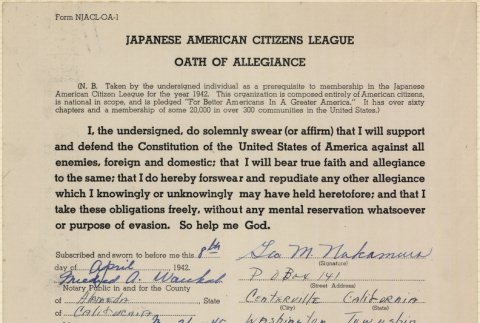
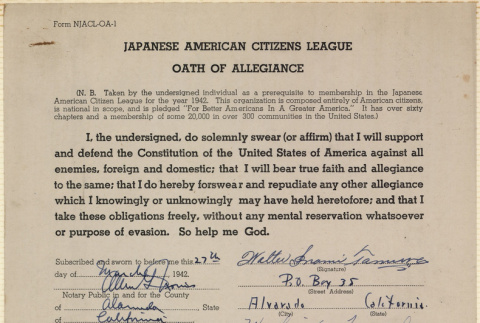
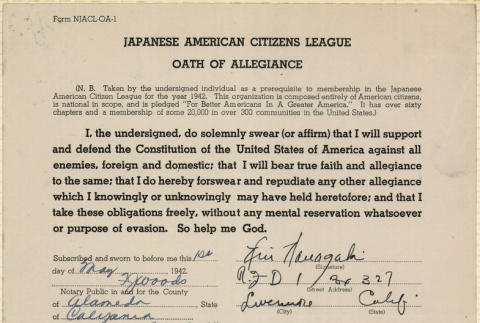
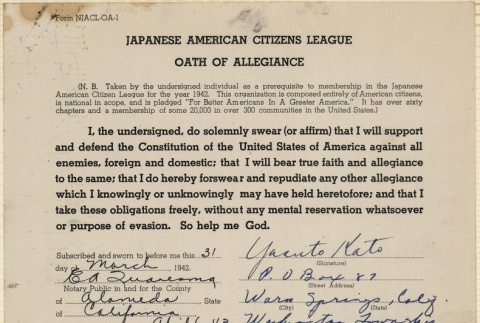
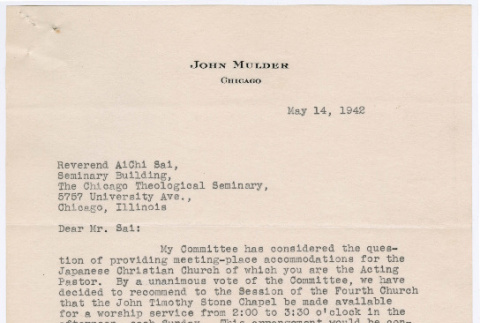
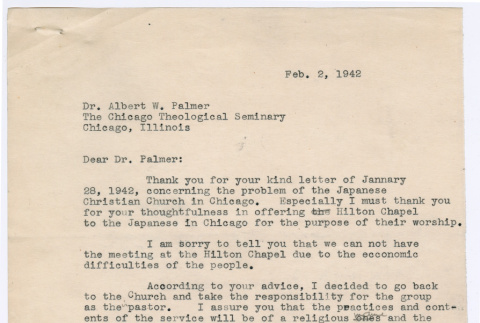
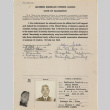
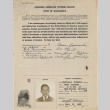
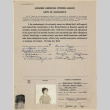
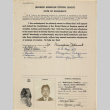
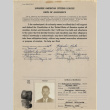
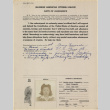
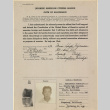
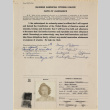
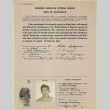
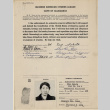
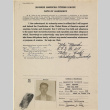
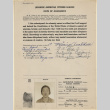
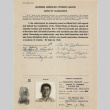
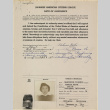
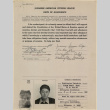
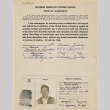
The bombing of Pearl Harbor on December 7, 1941, stunned the Japanese American community as much as the rest of the country. Many Issei (first generation) had been receiving news from their families in Japan and were aware of the growing tension between the two countries, but few thought that Japan would provoke the United States into war. Japanese Americans would again be shocked when immediately following the bombing, the FBI began going door to door making arrests. Any issei who was at all prominent was considered a potential spy, including Japanese association officers, language-school principals, and Buddhist priests. Without any meaningful due process, these men -- mostly heads of families -- were summarily separated from their wives and children and incarcerated.
World War II
(283)
Pearl Harbor and aftermath
(299)
Related articles from the
Densho Encyclopedia :
298th/299th Infantry,
December 7, 1941,
Husband E. Kimmel,
Walter Short