
Issei
The earliest wave of Japanese immigrants, the Issei (first generation), had a strong sense of their ethnic identity and retained the values and traditions of their country of birth. Most came to the United States as sojourners and planned to return to Japan after earning their fortunes. In addition, discriminatory laws forbade them from becoming American citizens and from exercising other basic rights, such as owning or leasing land. Since they were thus prevented from fully taking part in American life, it is not surprising that many still identified strongly with the culture of their homeland.
Identity and values
(362)
Issei
(1037)
Related articles from the
Densho Encyclopedia :
Issei
1037 items



![[Seikichi Aihara Family] (ddr-csujad-29-85)](https://ddr.densho.org/media/cache/94/6a/946af7da271b1a22b18378e33ce2031a.jpg)

1037 items

img
Large group of men posing for photo at Santa Fe Detention Center (ddr-ajah-2-908)
Caption below photo: August 1943-February 13, 1944 Issei Men at Santa Fe New Mexico Detention Center

img
Group of Issei men (ddr-ajah-2-923)
Caption below photo: Issei men at Santa Fe, New Mexico Department of Justice Internment Camp / August 1943-February 13, 1944
doc
Story of Shigekichi Kajiwara: The War Years as an Alien Enemy (ddr-densho-554-1)
Biography of Shigekichi Kajiwara's life, with a focus on his incarceration during World War II at Fort Missoula, Lordsburg, and Santa Fe.
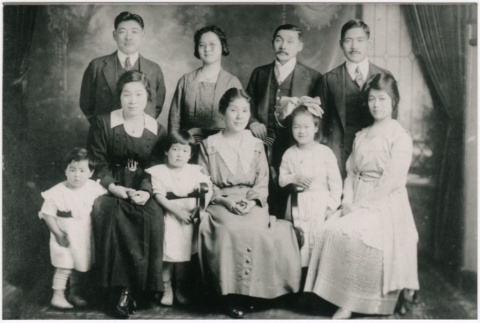
![[Seikichi Aihara Family] (ddr-csujad-29-85)](https://ddr.densho.org/media/cache/b1/a8/b1a8db03cb4a659913a4ad85b77e699c.jpg)
img
[Seikichi Aihara Family] (ddr-csujad-29-85)
Photograph of Seikichi Aihara Family. See this object in the California State Universities Japanese American Digitization project site: P0001
doc
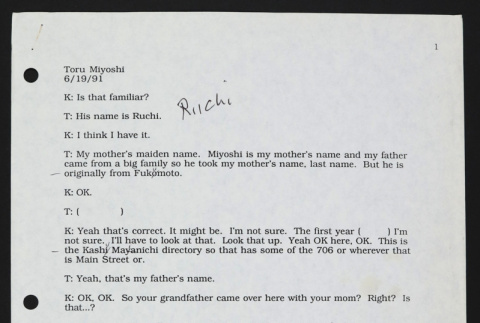
Transcript of Toru Miyoshi Oral History (ddr-densho-480-173)
Toru Miyoshi details his family's immigration to the United States, growing up in California, his experience at the Gila River Concentration Camp, and his public service as an elected official.
doc
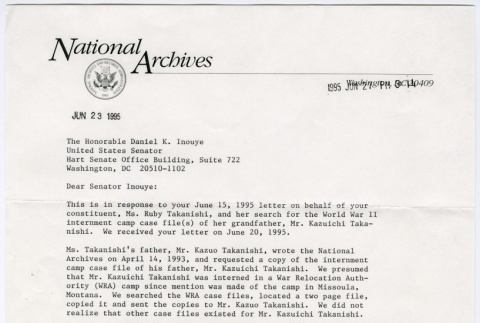
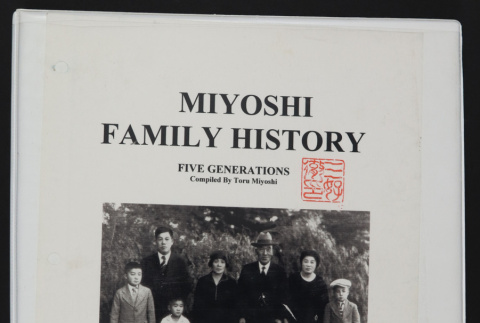
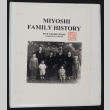
Miyoshi Family History part 1 (ddr-densho-480-174)
Details Miyoshi family history, including Japanese ancestry, immigration to the United States, individual family member's life stories, and life at the Gila River Concentration Camp.
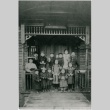
img
A group of adults and children (ddr-densho-353-32)
The Port Blakely Japanese Baptist Church's Sunday school teachers and children.
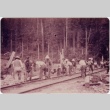
img
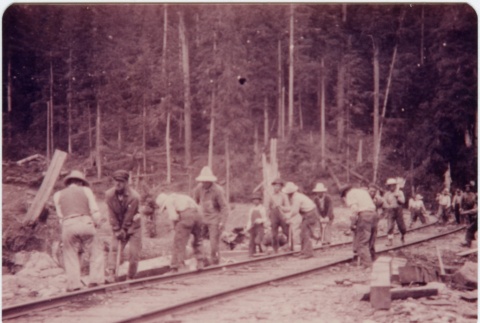
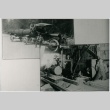
Men working on a railroad (ddr-densho-353-43)
Captioned: "Snoqualmie Falls crew laying railroad tracks."
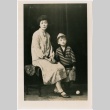
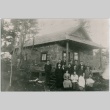
img
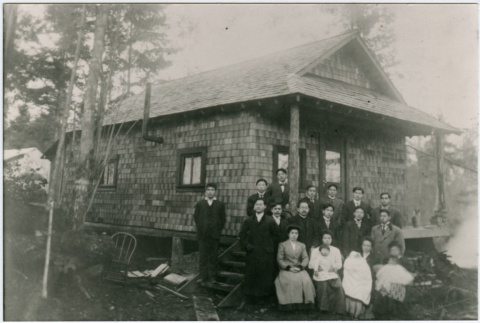
A group in front of a house (ddr-densho-353-33)
Shoichiro Katsuno at Pontiac (now the Windermere/Sand Point area) Written on back: "House built by Mr. Katsuno c.1913. Paid only for glass, nails, stovepipe, all the wood was free for clearing the land, knew how to make cedar shakes from work in sawmill earlier."
img
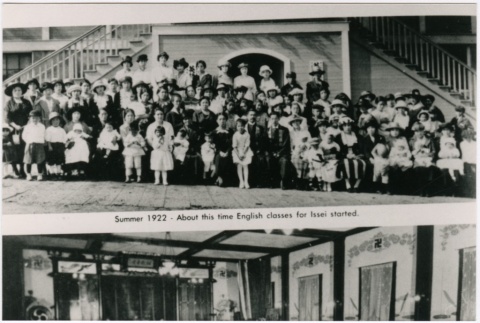
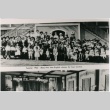
Seattle Buddhist Church students (ddr-densho-353-274)
Captioned: "Summer 1922 - About this time English classes for Issei started."
img
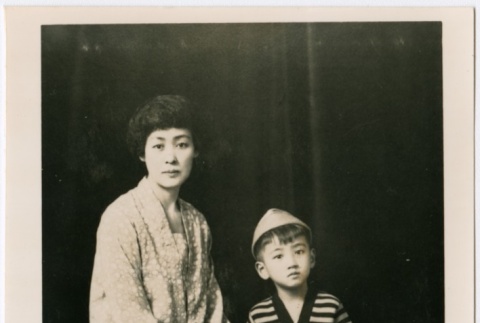
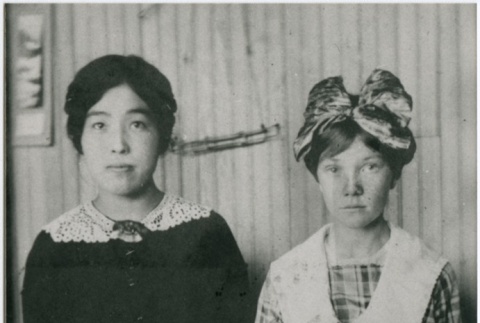
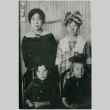
Portrait of a woman and children (ddr-densho-353-30)
Captioned: "A Japanese female domestic and her charges."
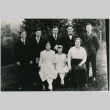
img
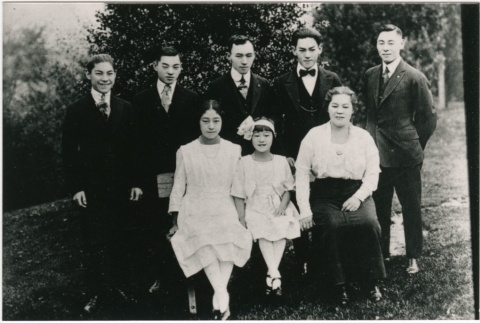
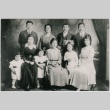
Family of Alfred Eijiro Tatsumi (ddr-densho-353-201)
Front row: June Tomae, Misao, Mrs. Tatsumi. Back row: Albert, Walter, Henry, Jiro, Alfred.
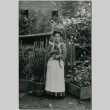
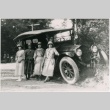
img
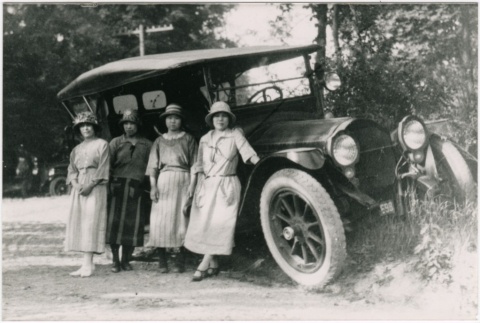
Four women standing with a car (ddr-densho-353-200)
Captioned: "Four ladies dressed for a Sunday drive."
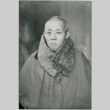
img
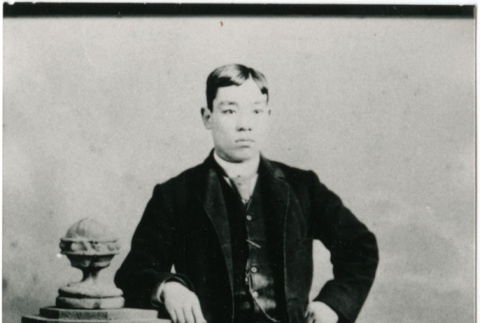
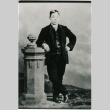
Portrait of a young man (ddr-densho-353-27)
Alfred Eijiro Tatsumi. Photo taken at Judkins Studio, on 2nd and Columbia.
img
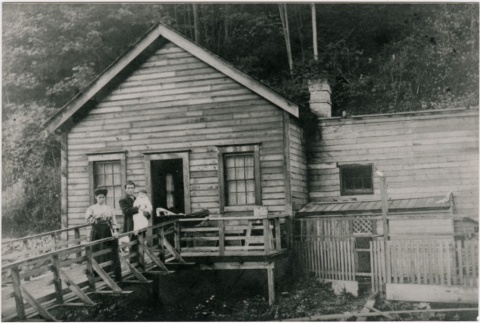
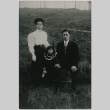
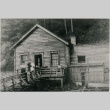
Family in front of house (ddr-densho-353-24)
Mr. and Mrs. Kenji Mori with their first child, in front of their first home in Mukilteo.
img
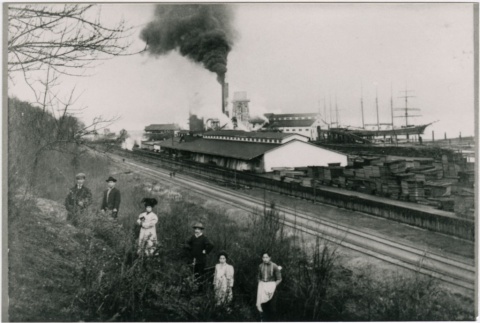
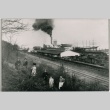
Men and women in front of sawmill (ddr-densho-353-22)
Mukilteo sawmill. Caption in album: "Japanese sawmill workers greet a new bride."