Recreational activities

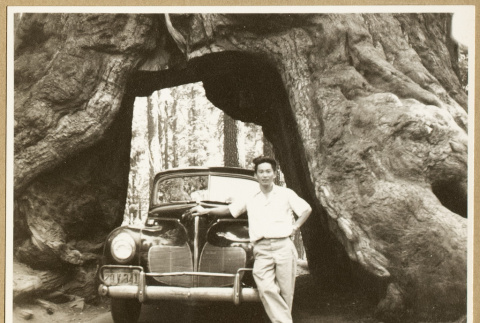
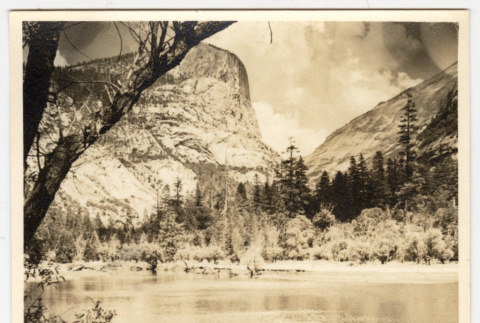
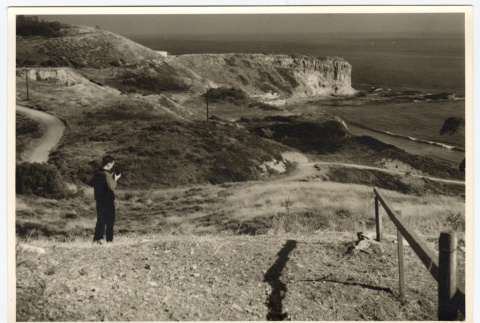
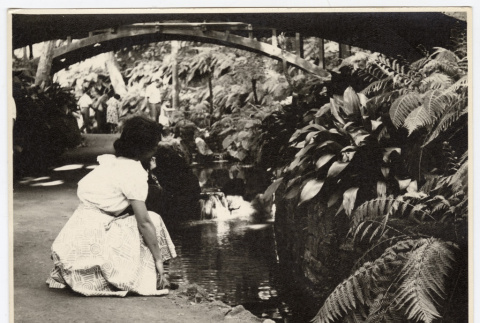
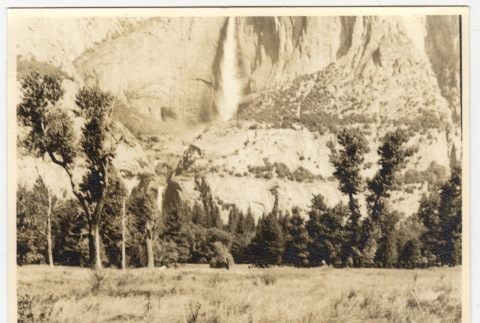
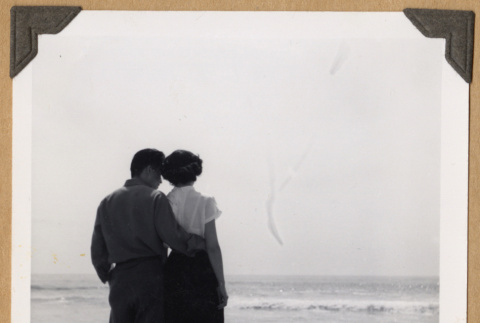
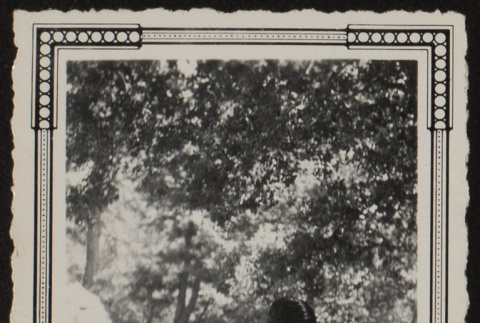
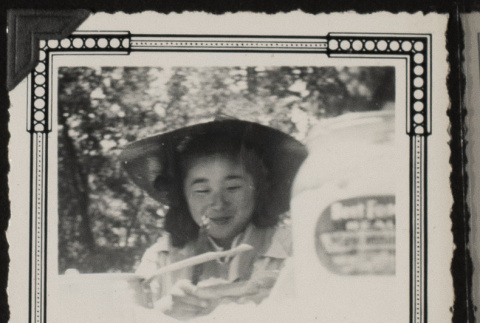
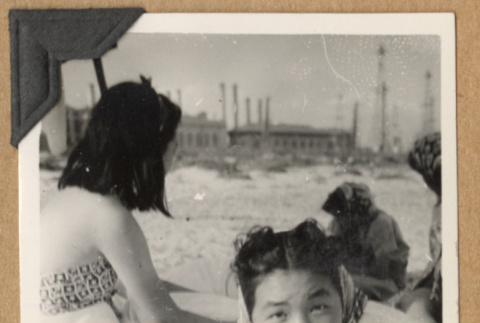
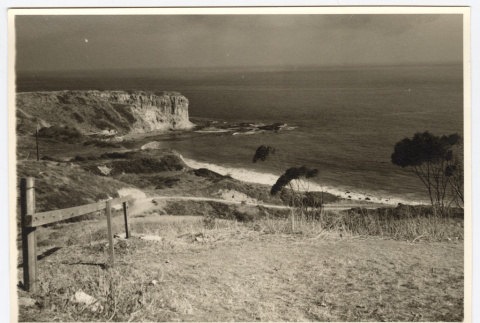
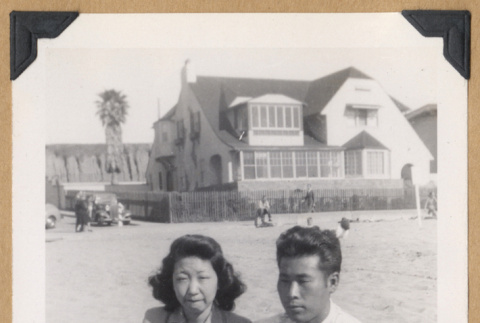
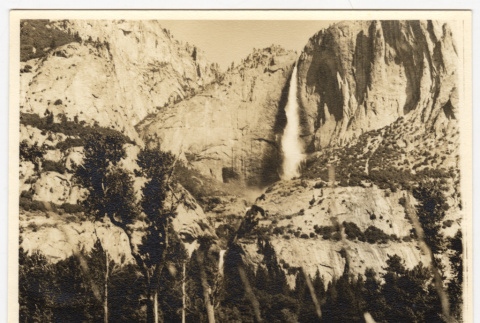
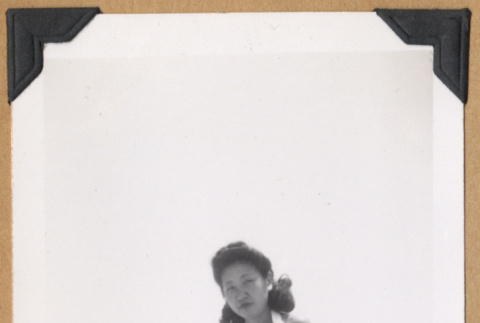
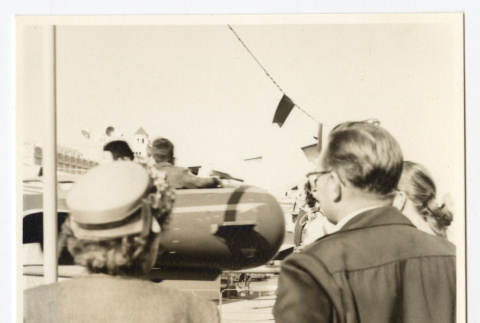
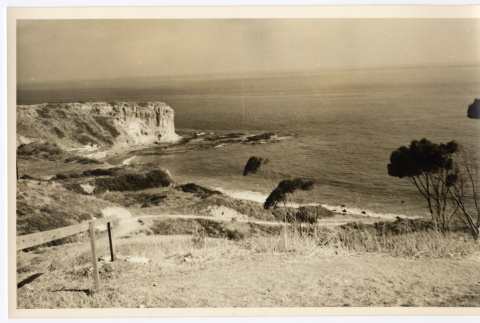
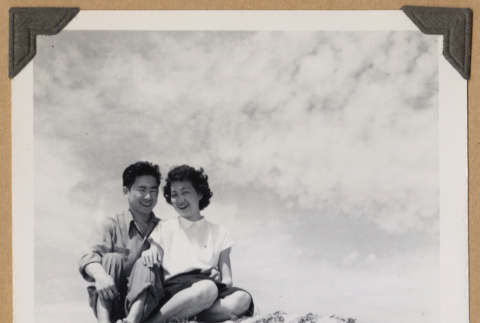
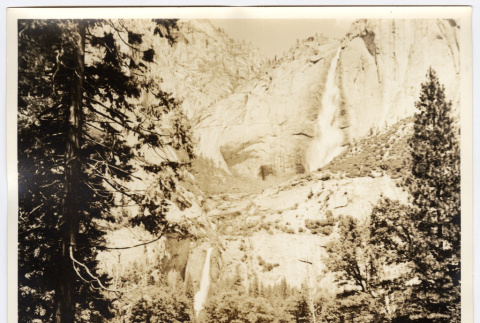
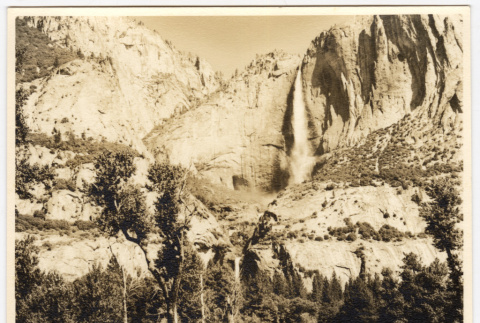
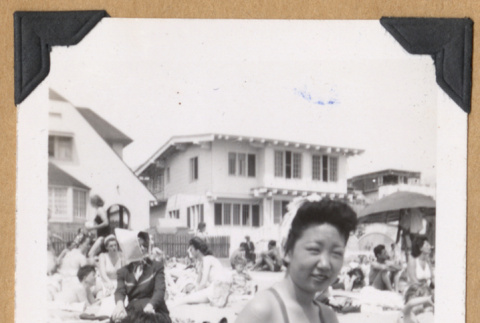
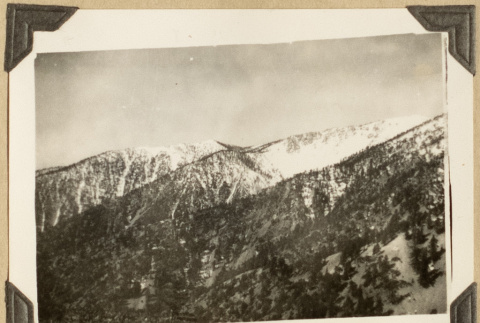
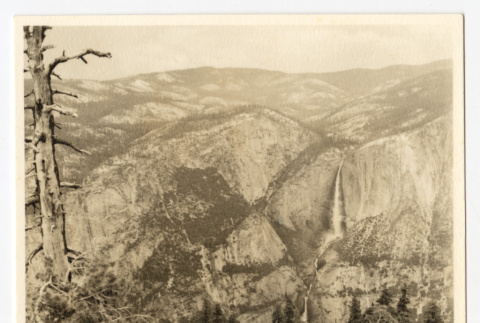
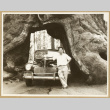
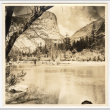
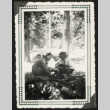
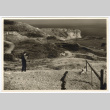
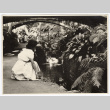
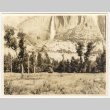
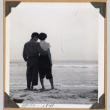
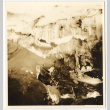
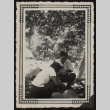
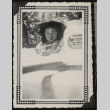
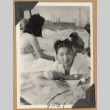
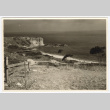
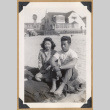
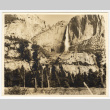
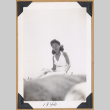
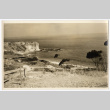
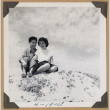
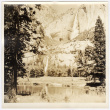
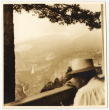
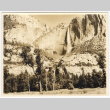
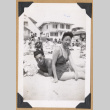
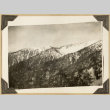
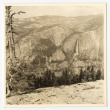
Japanese American communities organized group social activities such as family picnics and outings to the beach or to parks when the demands of work allowed. These activities gave hardworking families the chance to spend leisure time with their friends and neighbors.

Community activities (1964)
Recreational activities (727)

Facilities
Format
Genre
Usage

Use <Ctrl> or (⌘) keys to select multiple terms

727 items
Tonko Doi Interview Segment 14 (ddr-chi-1-19-14)
vh Tonko Doi Interview Segment 14 (ddr-chi-1-19-14)
Remembering Japanese American social clubs in Chicago
James Sakamoto Interview Segment 3 (ddr-jamsj-2-1-3)
vh James Sakamoto Interview Segment 3 (ddr-jamsj-2-1-3)
Prewar community activities: picnics, theater, baseball

This interview was conducted by the Japanese American Museum of San Jose, and is part of a project entitled "Lasting Stories: The Resettlement of San Jose Japantown," a collaborative project between the Japanese American Museum of San Jose and Densho.

George Nakata Interview Segment 3 (ddr-one-7-29-3)
vh George Nakata Interview Segment 3 (ddr-one-7-29-3)
Prewar community activities

This material is based upon work assisted by a grant from the Department of the Interior, National Park Service. Any opinions, finding, and conclusions or recommendations expressed in this material are those of the author(s) and do not necessarily reflect the views of the Department of the Interior.

Yoshimitsu Suyematsu Interview Segment 8 (ddr-one-7-66-8)
vh Yoshimitsu Suyematsu Interview Segment 8 (ddr-one-7-66-8)
Prewar recreational activities: gathering shellfish and mushrooms

This material is based upon work assisted by a grant from the Department of the Interior, National Park Service. Any opinions, finding, and conclusions or recommendations expressed in this material are those of the author(s) and do not necessarily reflect the views of the Department of the Interior.

George Azumano Interview Segment 5 (ddr-one-7-32-5)
vh George Azumano Interview Segment 5 (ddr-one-7-32-5)
Prewar recreational activities and sports

This material is based upon work assisted by a grant from the Department of the Interior, National Park Service. Any opinions, finding, and conclusions or recommendations expressed in this material are those of the author(s) and do not necessarily reflect the views of the Department of the Interior.

George Azumano Interview Segment 6 (ddr-one-7-32-6)
vh George Azumano Interview Segment 6 (ddr-one-7-32-6)
Attending dances

This material is based upon work assisted by a grant from the Department of the Interior, National Park Service. Any opinions, finding, and conclusions or recommendations expressed in this material are those of the author(s) and do not necessarily reflect the views of the Department of the Interior.

Jim Hirabayashi Interview Segment 3 (ddr-densho-1002-5-3)
vh Jim Hirabayashi Interview Segment 3 (ddr-densho-1002-5-3)
Community life prewar: picnics, Japanese language school, church group

This interview was conducted by sisters Emiko and Chizuko Omori for their 1999 documentary, Rabbit in the Moon, about the Japanese American resisters of conscience in the World War II incarceration camps. As a result, the interviews in this collection are typically not life histories, instead …

Kara Kondo Interview Segment 6 (ddr-densho-1000-139-6)
vh Kara Kondo Interview Segment 6 (ddr-densho-1000-139-6)
Community events in the Yakima valley: church services, sports, and cultural groups
Emi Somekawa Interview Segment 10 (ddr-densho-1000-378-10)
vh Emi Somekawa Interview Segment 10 (ddr-densho-1000-378-10)
Prewar recreational activities

This material is based upon work assisted by a grant from the Department of the Interior, National Park Service. Any opinions, finding, and conclusions or recommendations expressed in this material are those of the author(s) and do not necessarily reflect the views of the Department of the Interior.

Jack Y. Kunitomi Interview I Segment 12 (ddr-densho-1000-355-12)
vh Jack Y. Kunitomi Interview I Segment 12 (ddr-densho-1000-355-12)
Activities as a young person: attending dances

This material is based upon work assisted by a grant from the Department of the Interior, National Park Service. Any opinions, finding, and conclusions or recommendations expressed in this material are those of the author(s) and do not necessarily reflect the views of the Department of the Interior.

API