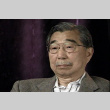
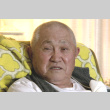
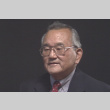
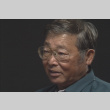
This interview was conducted by filmmaker Frank Abe for his 2000 documentary, Conscience and the Constitution, about the World War II resisters of conscience at the Heart Mountain incarceration camp. As a result, the interviews in this collection are typically not life histories, instead primarily focusing on issues …
The decision to resist the draft: "Somebody had to say somethin'"
This interview was conducted by filmmaker Frank Abe for his 2000 documentary, Conscience and the Constitution, about the World War II resisters of conscience at the Heart Mountain incarceration camp. As a result, the interviews in this collection are typically not life histories, instead …
Recollections of meeting with Fair Play Committee leader Min Tamesa
This interview was conducted by filmmaker Frank Abe for his 2000 documentary, Conscience and the Constitution, about the World War II resisters of conscience at the Heart Mountain incarceration camp. As a result, the interviews in this collection are typically not life histories, instead primarily …
Being blocked from attending a meeting of the Heart Mountain Fair Play Committee leaders
This interview was conducted by filmmaker Frank Abe for his 2000 documentary, Conscience and the Constitution, about the World War II resisters of conscience at the Heart Mountain incarceration camp. As a result, the interviews in this collection are typically not …
Writing about Heart Mountain's Fair Play Committee
This interview was conducted by filmmaker Frank Abe for his 2000 documentary, Conscience and the Constitution, about the World War II resisters of conscience at the Heart Mountain incarceration camp. As a result, the interviews in this collection are typically not life histories, instead primarily focusing on issues …
Activities as leader of the Fair Play Committee: distributing bulletins, holding meetings
This interview was conducted by filmmaker Frank Abe for his 2000 documentary, Conscience and the Constitution, about the World War II resisters of conscience at the Heart Mountain incarceration camp. As a result, the interviews in this collection are typically not life histories, …
Living and working in the Heart Mountain concentration camp, Wyoming
This interview was conducted by filmmaker Frank Abe for his 2000 documentary, Conscience and the Constitution, about the World War II resisters of conscience at the Heart Mountain incarceration camp. As a result, the interviews in this collection are typically not life histories, instead primarily …
Memories of Fair Play Committee leaders Paul Nakadate and Frank Emi
This interview was conducted by filmmaker Frank Abe for his 2000 documentary, Conscience and the Constitution, about the World War II resisters of conscience at the Heart Mountain incarceration camp. As a result, the interviews in this collection are typically not life histories, instead …
This interview was conducted by filmmaker Frank Abe for his 2000 documentary, Conscience and the Constitution, about the World War II resisters of conscience at the Heart Mountain incarceration camp. As a result, the interviews in this collection are typically not life histories, instead primarily focusing on issues surrounding the …
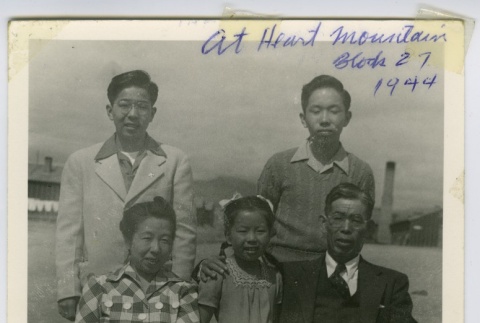
Thinking ahead on decision to resist draft: taking a family photo just in case
This interview was conducted by filmmaker Frank Abe for his 2000 documentary, Conscience and the Constitution, about the World War II resisters of conscience at the Heart Mountain incarceration camp. As a result, the interviews in this collection are typically not …
Description of Kiyoshi Okamoto, the founder of the Fair Play Committee
This interview was conducted by filmmaker Frank Abe for his 2000 documentary, Conscience and the Constitution, about the World War II resisters of conscience at the Heart Mountain incarceration camp. As a result, the interviews in this collection are typically not life histories, instead …
Being interrogated after trying to get arrested as a test case
This interview was conducted by filmmaker Frank Abe for his 2000 documentary, Conscience and the Constitution, about the World War II resisters of conscience at the Heart Mountain incarceration camp. As a result, the interviews in this collection are typically not life histories, instead …
Refuting accusations about activities while on the Fair Play Committee
This interview was conducted by filmmaker Frank Abe for his 2000 documentary, Conscience and the Constitution, about the World War II resisters of conscience at the Heart Mountain incarceration camp. As a result, the interviews in this collection are typically not life histories, instead primarily …
Feelings on the views of the Heart Mountain resisters
This interview was conducted by filmmaker Frank Abe for his 2000 documentary, Conscience and the Constitution, about the World War II resisters of conscience at the Heart Mountain incarceration camp. As a result, the interviews in this collection are typically not life histories, instead primarily focusing …
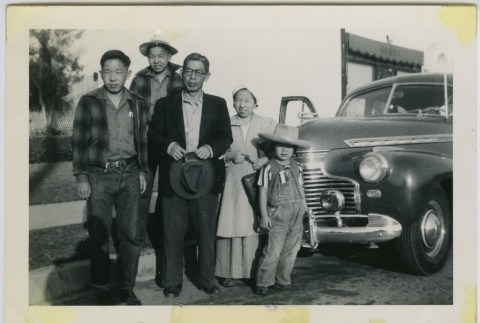
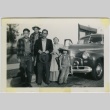
Caption by Ike Hatchimonji: "May 1942 - El Monte, California - In front of family store. Hatchimonji family about to leave for the Pomona Assembly Center then the WRA camp at Heart Mountain, Wyoming. L-R: Tasuke Ike, Megumi Mike, Kumezo father, Nobue mother, and daughter Gloria, wearing the family ID tags."
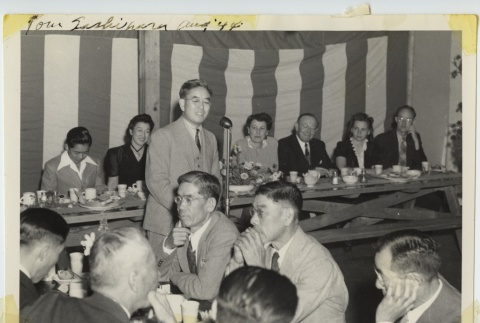
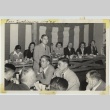
Caption on front: "Tom Sashikara Aug '44." Caption by Ike Hatchimonji: "Heart Mountain Aug. 1944. Caption reads: 'Farewell dinner for Tom Sashikara leaving for Cleveland, OH. Guy Robertson, the camp director and Mrs. Pryne were there.' K. Hatchimonji is seen on left with his hand on his chin."
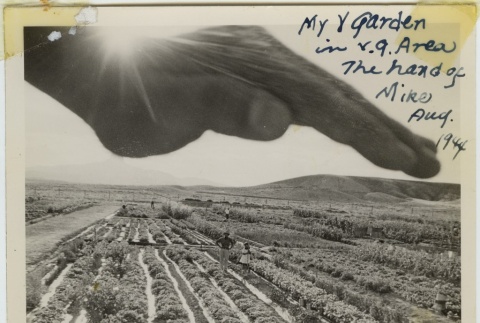
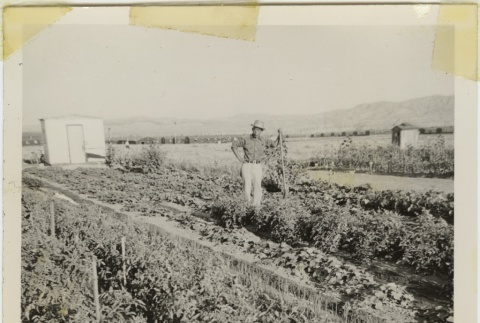
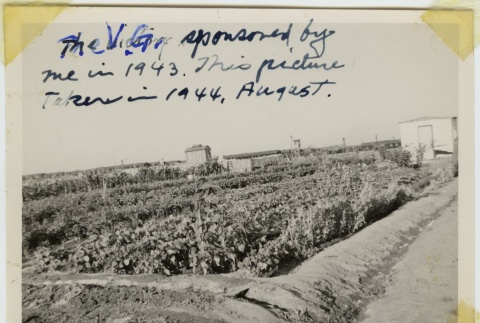
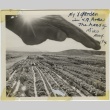
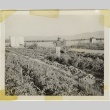
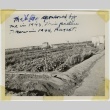
For 16.1, 16.2, and 16.3. Caption by Ike Hatchimonji: "Heart Mountain Victory Gardens 1943-45. Organized by Kumezo Hatchimonji who supplied the Japanese vegetable seeds which were in storage after he left for camp. It was very successful because farmers were ablt to grow their favorite crops and supply them to the other internees. Kumezo is seen …