2806 items
2806 items
img
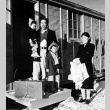
Arrival of segregants (ddr-densho-37-259)
Original WRA caption: Segregee's household effects arrive at apartment.
img
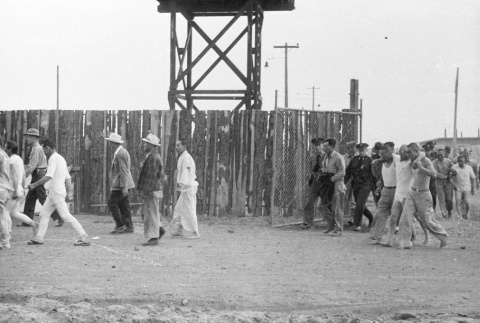
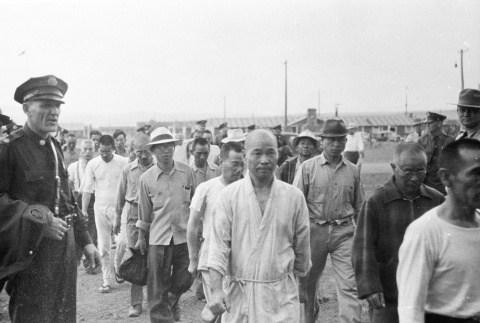
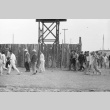
Hoshidan members leaving Tule Lake (ddr-densho-37-196)
Original WRA caption: The 25 lay-down strikers leave the stockade gate, under heavy guard, to march the approximate mile to the special Department of Justice train, 6-24-45. (Besides losing their clothes, they also "lost face" with possible sympathizers remaining in the colony, and caused the Hokoku and Hoshi Dan to become laughing stock of the colony.)
img
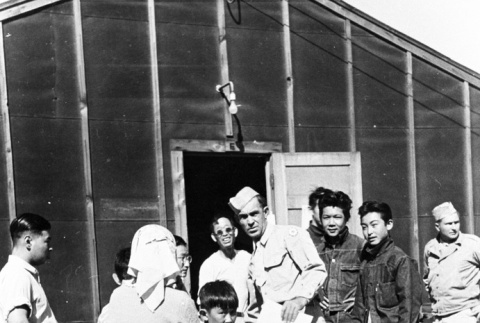
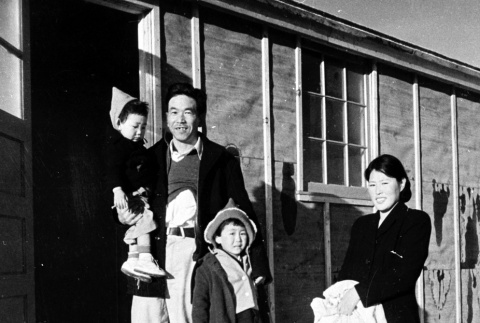
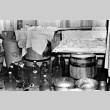
Japanese Americans relocating to a different camp (ddr-densho-37-295)
Original WRA caption: People from the Manzanar Relocation Center were moved to the Tule Lake Segregation Center and quartered in the ten blocks which had been built as an addition at Tule Lake. They arrived in four special trains and were taken directly from the railroad to their new homes. A total of 1876 people came …
img
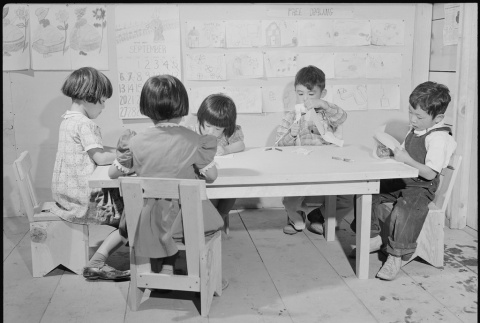
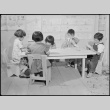
Nursery school art class (ddr-densho-37-314)
Original WRA caption: Tule Lake Relocation Center, Newell, California. Art time in the nursery school at this relocation center.
img
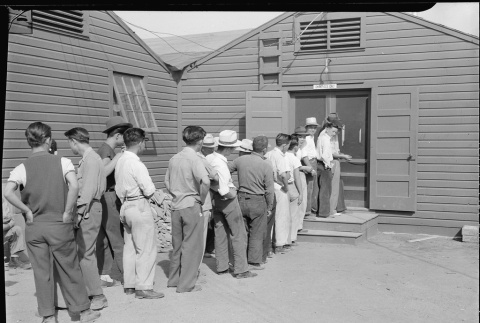
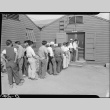
Japanese American workers waiting in line (ddr-densho-37-421)
Original WRA caption: Tule Lake Relocation Center, Newell, California. A line up of evacuee workers waiting for their identification tags which are to be used in conjunction with the first pay day at this War Relocation Authority Center.
img
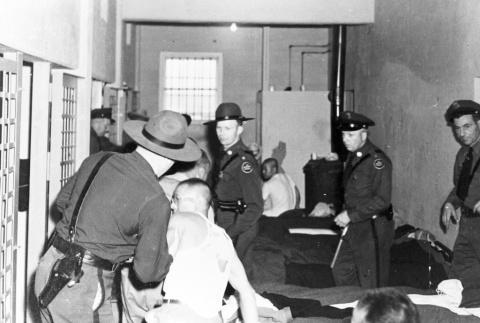
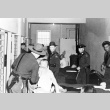
Hoshidan members on strike (ddr-densho-37-193)
Original WRA caption: After oral persuasion had failed to move some of the 25 "lie-down" strikers among the 400 going to Santa Fe Internment Camp 6-24-45, the strikers are "assisted" to leave their beds by Department of Justice (Border patrolmen) guards, and join march to train.
img
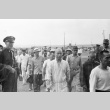
Hoshidan members leaving Tule Lake (ddr-densho-37-197)
Original WRA caption: The 25 laydown strikers march to the special Department of Justice train to go to Santa Fe Internment Camp.
img
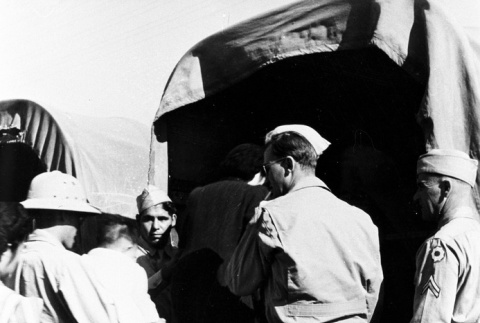
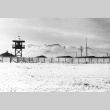
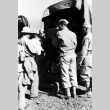
Segregees boarding trucks (ddr-densho-37-264)
Original WRA caption: Segregees board trucks for processing center.
img
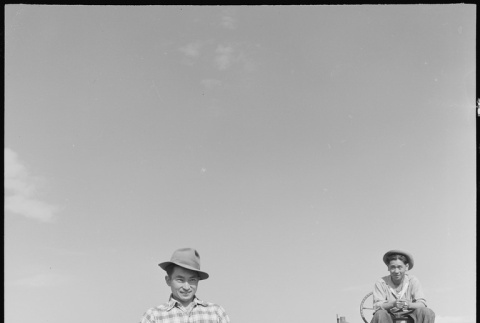
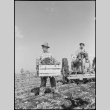
Japanese Americans harvesting spinach (ddr-densho-37-317)
Original WRA caption: An evacuee is shown with a crate of spinach. His smile seems to show that he is proud of the high quality of his crop.
img
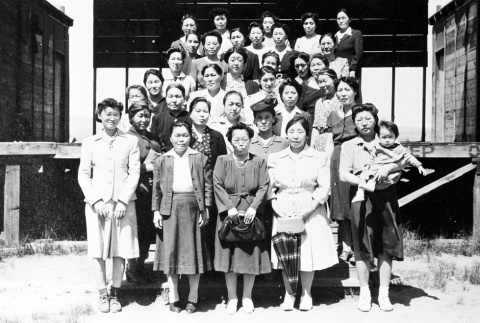
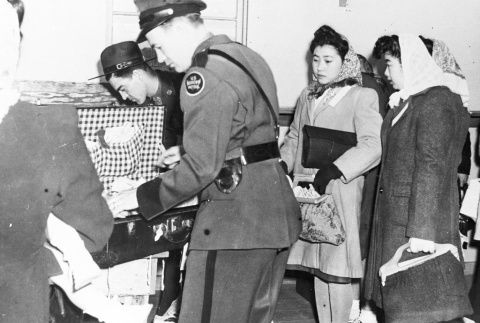
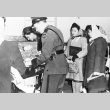
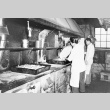
Baggage inspection (ddr-densho-37-158)
Original WRA caption: Border Patrolmen, under the direction of the Department of Justice, inspect the baggage of women going to Crystal City, Tex. Internment Camp.
img
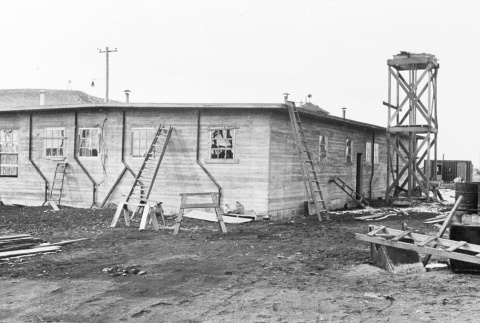
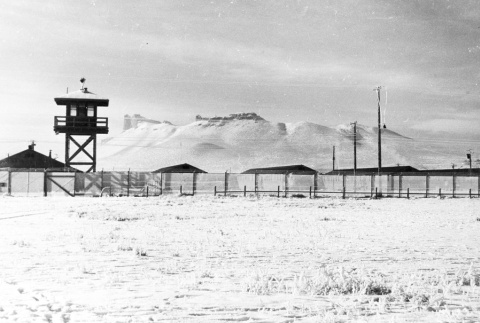
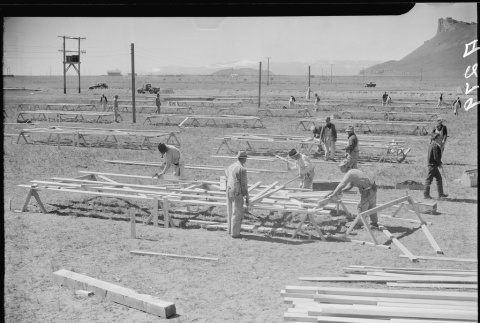
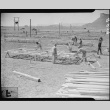
Camp construction (ddr-densho-37-249)
Original WRA caption: Construction begins on a War Relocation Authority center for evacuees of Japanese ancestry near Tule Lake in Modoc County, California, south of the Oregon border.
img
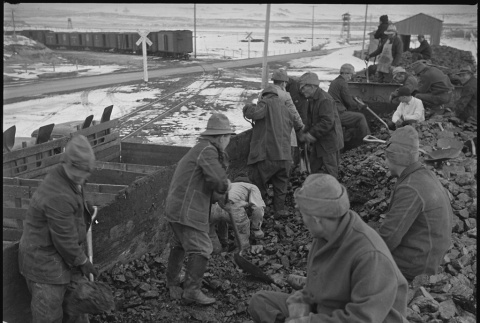
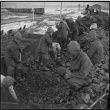
Japanese Americans unloading coal (ddr-densho-37-385)
Original WRA caption: Tule Lake Relocation Center, Newell, California. Evacuee workers unload coal at Staley Junction, which is the rail head for this center. This coal is used by the residents during the extremely cold winters which northern California offers.
img
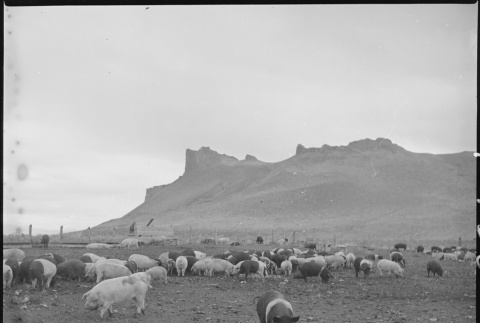
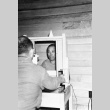
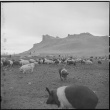
Camp hog farm (ddr-densho-37-834)
Original WRA caption: Tule Lake Relocation Center, Newell, California. A close up of hogs feeding at the temporary location of the hog farm at this center.
img
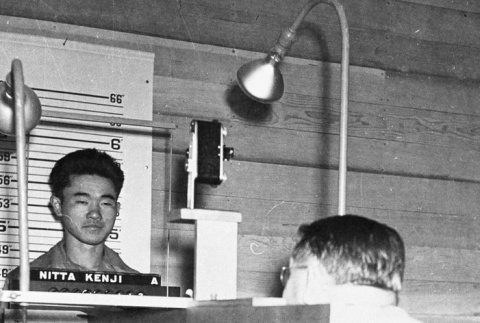
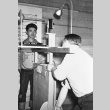
Photographing a segregant (ddr-densho-37-266)
Original WRA caption: Segregees are photographed. Kenji Nitta.
img
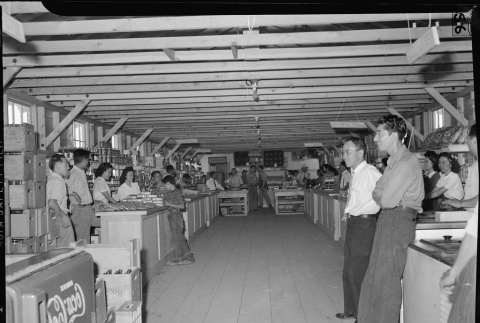
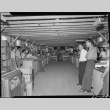
Camp store (ddr-densho-37-359)
Original WRA caption: Tule Lake Relocation Center, Newell, California. A view showing the recently completed Store Number 2 at this War Relocation Authority center.
img
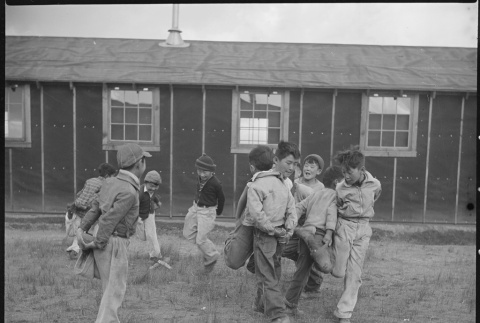
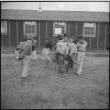
Fifth-grade boys playing (ddr-densho-37-76)
Original WRA caption: These boys of the low fifth grade, taught by Mrs. Rhoda McGarva, are playing "Cock Fight."
img
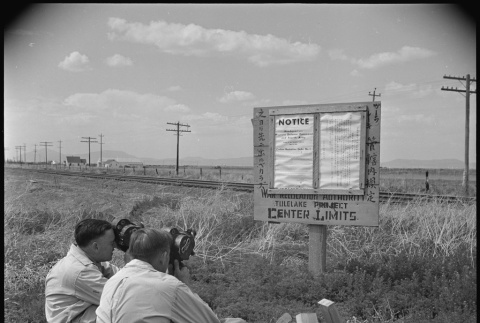
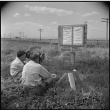
Camp boundary sign (ddr-densho-37-835)
Original caption: Tule Lake Relocation Center, Newell, California. (L to R) Frank Vail, newsreel cameraman for Pathe, and Joe Rucker, for Paramont, photograph boundry markers.
img
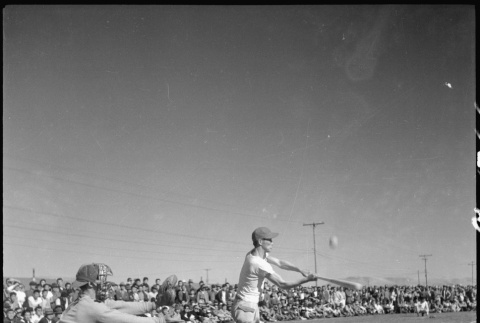
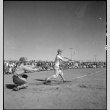
Japanese Americans playing baseball (ddr-densho-37-381)
Original WRA caption: The 1944 league baseball season got under way at the Tule Lake center on April 19. Project Director Ray R. Best tossed out the first ball. Nearly half of the 17,000 residents of the center were present for the opening game.